
Acre (Brazilian state)
Acre is a northwestern Brazilian state largely covered by the Amazon rainforest, bordering Peru and Bolivia. Its economy blends extractive activities, small-scale agriculture and conservation initiatives.
Overview
Acre is a state in the Northern Region of Brazil. It occupies a remote, forested corner of the country and is known for extensive Amazon rainforest cover, winding rivers and a low-density population. The state capital is Rio Branco, while other important municipalities include Cruzeiro do Sul, Tarauacá, Sena Madureira and Brasiléia.
Image gallery
10 Images







Geography and environment
Geographically, Acre borders the Brazilian states of Amazonas and Rondônia, and shares international borders with two neighboring countries, Bolivia and Peru. Much of the state is covered by lowland tropical rainforest and is drained by an intricate network of rivers. Major waterways include the Juruá, Purus, Acre, Tarauacá, Muru, Embirá and Xapuri — all of which support local transport, fisheries and floodplain ecosystems. Acre contains pockets of rich biodiversity and a variety of forest types, and it is home to indigenous peoples and traditional extractive communities.
History and political development
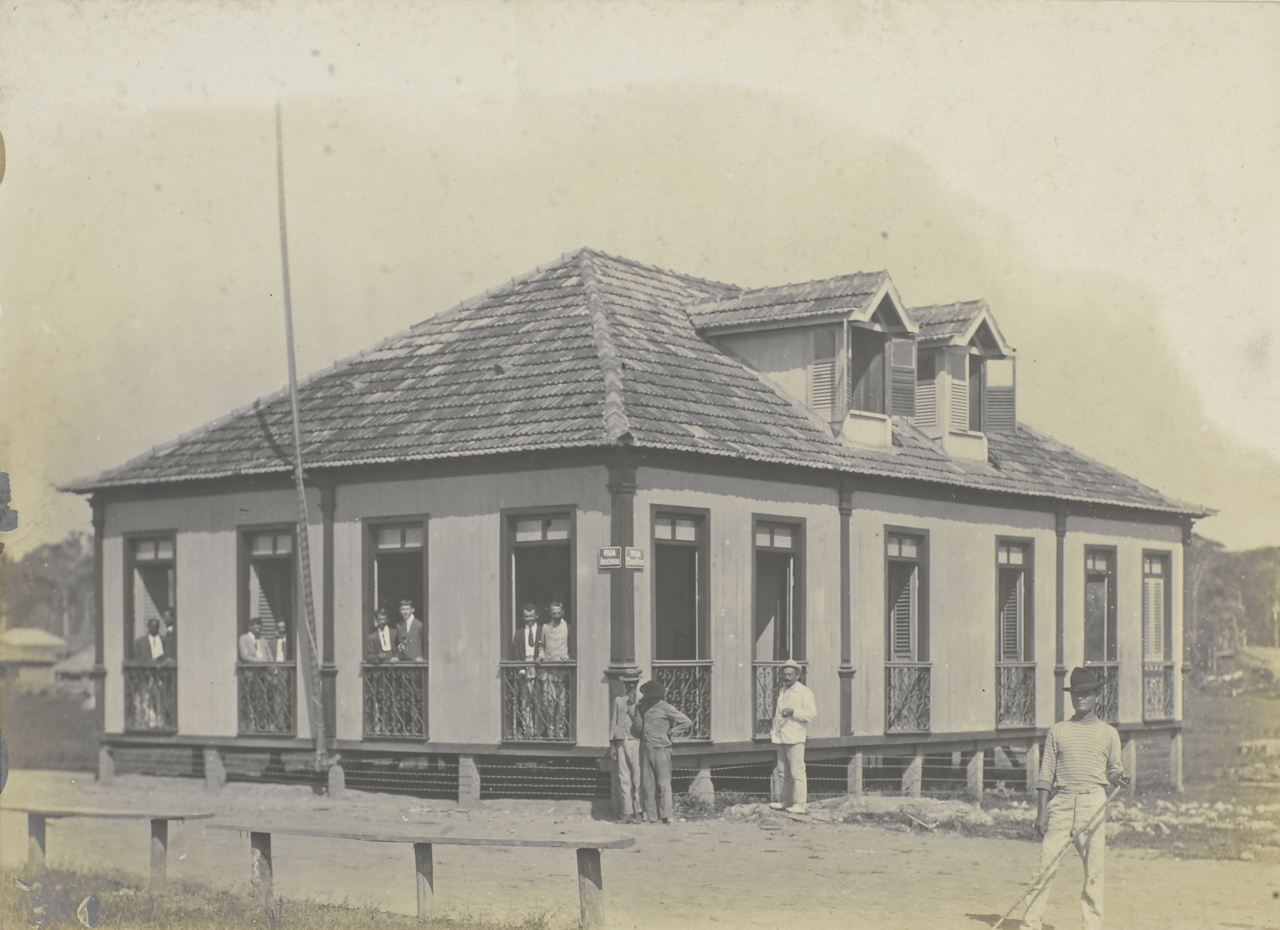
The region that became Acre has long been part of the Amazon basin frontier. During the late 19th century (1800s) the area attracted migrants—many from other parts of Brazil—drawn by rubber tapping and other forest products. Although nominally under Bolivian sovereignty for a period, local settlers pursued autonomy and there were several confrontations over control. In the early 20th century tensions culminated in the Acre War and diplomatic negotiations, and the territory was transferred to Brazil by treaty in 1903. It remained a federally administered territory for decades and was elevated to full statehood in 1962.
Economy and land use
Acre's economy historically centered on rubber extraction (rubber) and other forest products such as Brazil nuts, latex and medicinal plants. Over time, cattle ranching (cattle) and animal husbandry expanded, along with subsistence and small-scale commercial agriculture. Today the state has a mixed economy: traditional extractive activities coexist with efforts to diversify through sustainable forestry, cacao and fruit cultivation, and eco-tourism. Environmental conservation and land-rights issues remain prominent in regional planning and development debates.
Society, culture and conservation
Local culture reflects indigenous traditions, riverine (ribeirinho) communities and migrant groups who arrived during the rubber boom. Acre became a focal point for modern environmental and social movements in Brazil: notable actions by rubber-tapper unions and environmental advocates emphasized sustainable use and community-based conservation. These efforts contributed to the creation of extractive reserves and protected areas aimed at reconciling livelihoods with forest protection. The state's rivers and forests continue to sustain fisheries, transport routes and cultural practices tied to the Amazonian landscape.
Rivers, cities and notable facts
- Major rivers: Juruá, Purus, Acre, Tarauacá, Muru, Embirá, Xapuri.
- Main urban centers: Rio Branco, Cruzeiro do Sul, Tarauacá, Sena Madureira, Brasiléia.
- Historical notes: local claims of autonomy and an independent-minded population in the rubber era shaped Acre's unique path into Brazil.
Because Acre sits on the western edge of Brazil, it plays a strategic role in cross-border Amazonian cooperation and in national discussions about sustainable development, indigenous rights and forest conservation. Travel and transport remain heavily influenced by seasonal river conditions, and ongoing efforts aim to balance economic needs with protection of one of the planet's most important tropical forest regions.
Questions and answers
Q: What is Acre?
A: Acre is a state located in the Northern Region of Brazil.
Q: Which states and countries border Acre?
A: Acre borders two states – Amazonas and Rondônia – and two countries – Bolivia and Peru.
Q: What is the capital city of Acre?
A: The capital city of Acre is Rio Branco.
Q: What are some other important cities in Acre?
A: Other important cities in Acre are Cruzeiro do Sul, Tarauacá, Sena Madureira, and Brasiléia.
Q: What is the economy based on in Acre?
A: The economy of Acre is based on agriculture, cattle animal husbandry, and rubber production.
Q: Was Acre a territory of Bolivia at some point?
A: Yes, until the start of the 20th century, Acre was a territory of Bolivia.
Q: When did Acre become a Brazilian territory and state?
A: Acre became a Brazilian territory on November 17, 1903, and a state on June 15, 1962.
Tags
Related articles
Author
AlegsaOnline.com Acre (Brazilian state) Leandro Alegsa
URL: https://en.alegsaonline.com/art/754
Sources
- ibge.gov.br : Censo 2010: população do Brasil é de 190.732.694 pessoas