
Rondônia — Brazilian state in the western Amazon
Rondônia is a state in northwest Brazil, in the Amazon biome. Its capital is Porto Velho. The state borders Acre, Amazonas, Mato Grosso and Bolivia and is known for rivers, frontier settlement and conservation challenges.
Overview
Rondônia is a federative unit of Brazil located in the northwestern part of the country, largely within the Amazon biome. It borders the state of Acre to the west, Amazonas to the north and Mato Grosso to the east, and shares an international boundary with Bolivia to the south. The administrative capital and largest city is Porto Velho. The state was named for the explorer Cândido Rondon, who was influential in early twentieth‑century expeditions and contacts with indigenous peoples.
Image gallery
9 Images




Geography and environment
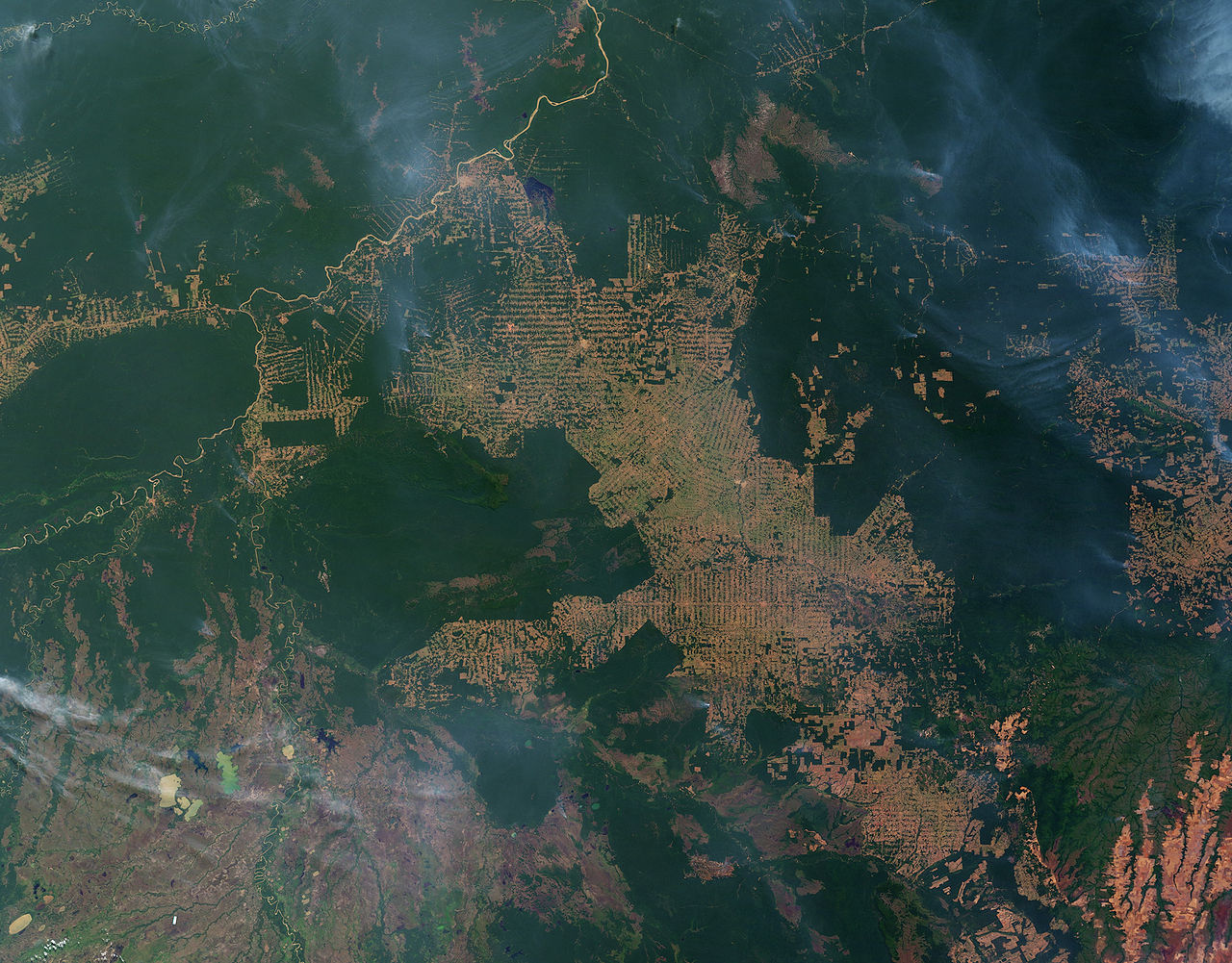
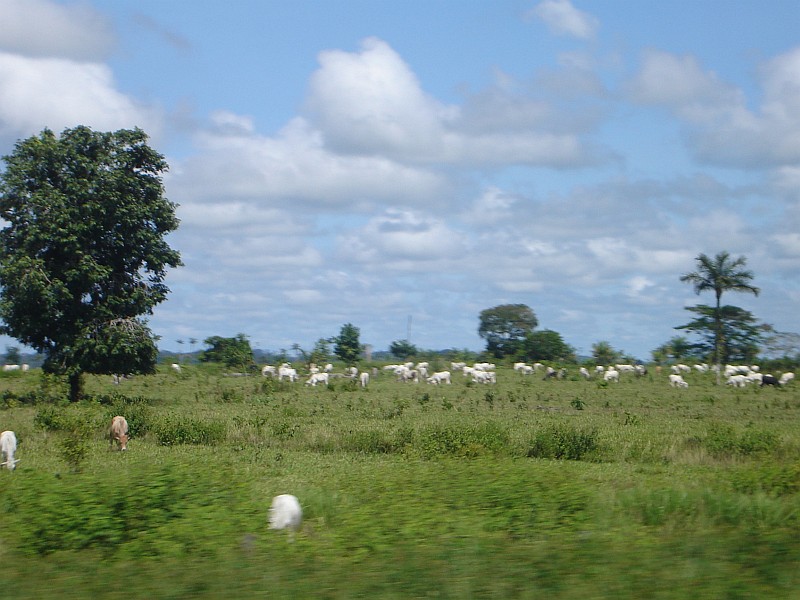
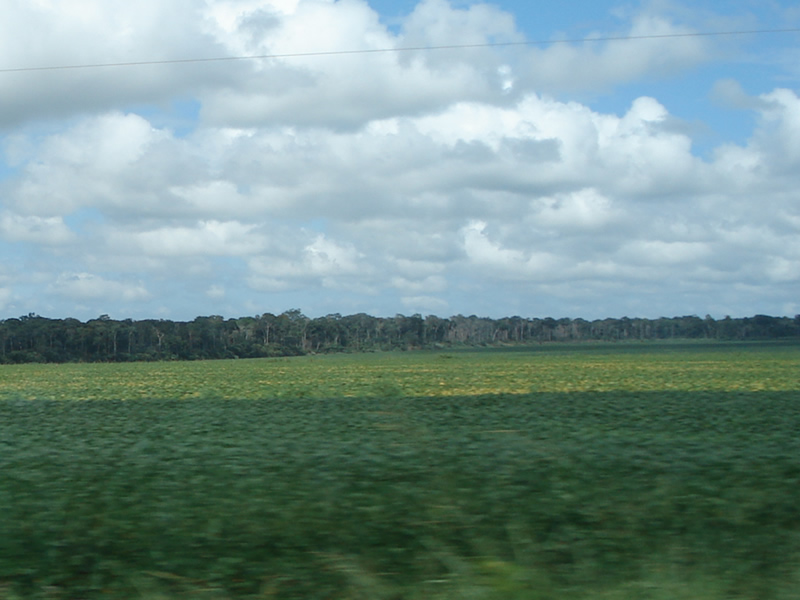
Much of Rondônia lies within the Amazon rainforest and is crossed by important rivers, notably the Madeira, a major Amazon tributary. The landscape includes dense lowland forest, seasonally flooded areas and regions converted for agriculture and pasture. The state contains a number of protected areas and indigenous territories, though it has experienced substantial deforestation and landscape change since the mid‑twentieth century.
History
Settlement intensified in stages: during the rubber boom of the late nineteenth and early twentieth centuries, with later national colonization programs, and with infrastructure projects such as the Madeira‑Mamoré Railway. Rondônia was a federal territory before achieving statehood in the late twentieth century. Migration from other Brazilian regions contributed to rapid population growth and the expansion of farming and ranching.
Economy
The economy combines agriculture, cattle ranching, timber extraction, mining and energy production. Hydropower from dams on the Madeira River and related projects has increased electricity supply and economic activity, while also prompting debate about social and environmental impacts. Smallholder farming and extractive activities remain important in many areas.
Transport and infrastructure
Porto Velho functions as the principal river port and transport hub, connecting river navigation with roads and rail corridors. Road networks, including routes that link Rondônia to Brazil’s central and southern regions, are critical for commerce but also facilitate frontier expansion into forested areas.
Society, cities and culture
Rondônia’s population includes urban migrants, traditional riverine communities and several indigenous peoples with recognized land rights. Principal urban centers besides Porto Velho include Ji‑Paraná, Ariquemes, Cacoal, Vilhena and Guajará‑Mirim. The state’s culture reflects Amazonian traditions, migrant influences and local festivals tied to regional livelihoods.
Conservation and challenges
Key issues in Rondônia are balancing economic development with conservation, protecting indigenous territories, and addressing illegal logging and land conflicts. Scientific and governmental programs, as well as civil society initiatives, work on sustainable use, enforcement and restoration. For an official overview and further reading, consult regional resources and government portals such as Rondônia overview and general information on the Amazon biome at biome summaries.
Cities and points of reference
- Porto Velho (capital)
- Ji‑Paraná
- Ariquemes
- Cacoal
- Vilhena
- Guajará‑Mirim
Questions and answers
Q: Where is Rondônia located?
A: Rondônia is located in the northwest of Brazil.
Q: Which state is located to the west of Rondônia?
A: The state of Acre is located to the west of Rondônia.
Q: Which state is located to the north of Rondônia?
A: The state of Amazonas is located to the north of Rondônia.
Q: Which state is located to the east of Rondônia?
A: Mato Grosso is located to the east of Rondônia.
Q: Which country is located to the south of Rondônia?
A: Bolivia is located to the south of Rondônia.
Q: What is the name of the capital of Rondônia?
A: The capital of Rondônia is Porto Velho.
Q: Who was Rondônia named after?
A: Rondônia was named after Candido Rondon.
Related articles
Author
AlegsaOnline.com Rondônia — Brazilian state in the western Amazon Leandro Alegsa
URL: https://en.alegsaonline.com/art/84012
Sources
- ibge.gov.br : Ibge.gov
- survival-international.org : Akuntsu and Kanoê