
Cycas — ancient gymnosperms: description, distribution, uses and conservation
Cycas is the sole living genus of Cycadaceae: palm‑like, slow‑growing gymnosperms of Old World tropics and subtropics with over 100 species, traditional uses, toxic seeds, and important conservation concerns.
Cycas is a genus of seed plants in the order Cycadales and the only living genus in the family Cycadaceae. Members of Cycas are evergreen, often palm‑like in appearance, but they are gymnosperms rather than flowering plants. Species are typically slow‑growing and long‑lived, producing a stout trunk (sometimes short or subterranean) topped by a crown of pinnate leaves. The genus has attracted attention for its deep evolutionary history and distinctive biology, including separate male and female individuals and specialized root associations with nitrogen‑fixing cyanobacteria.
Image gallery
10 Images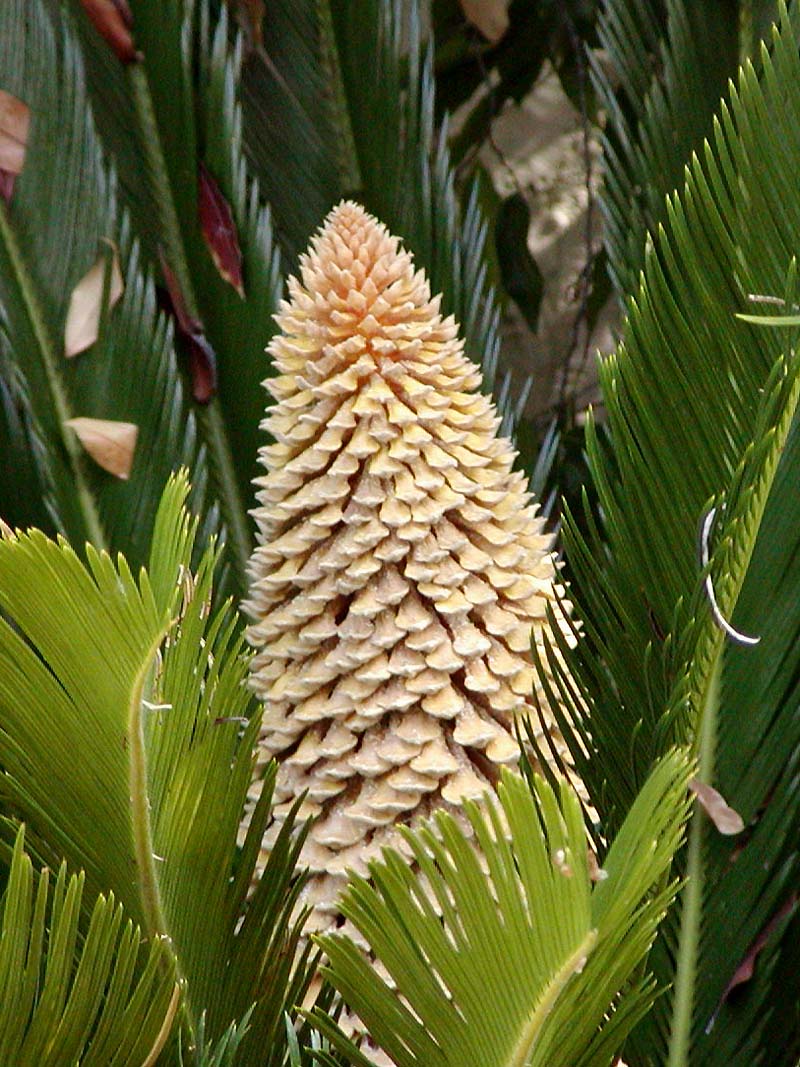




Key characteristics
Plants in the genus Cycas share several morphological and physiological traits:
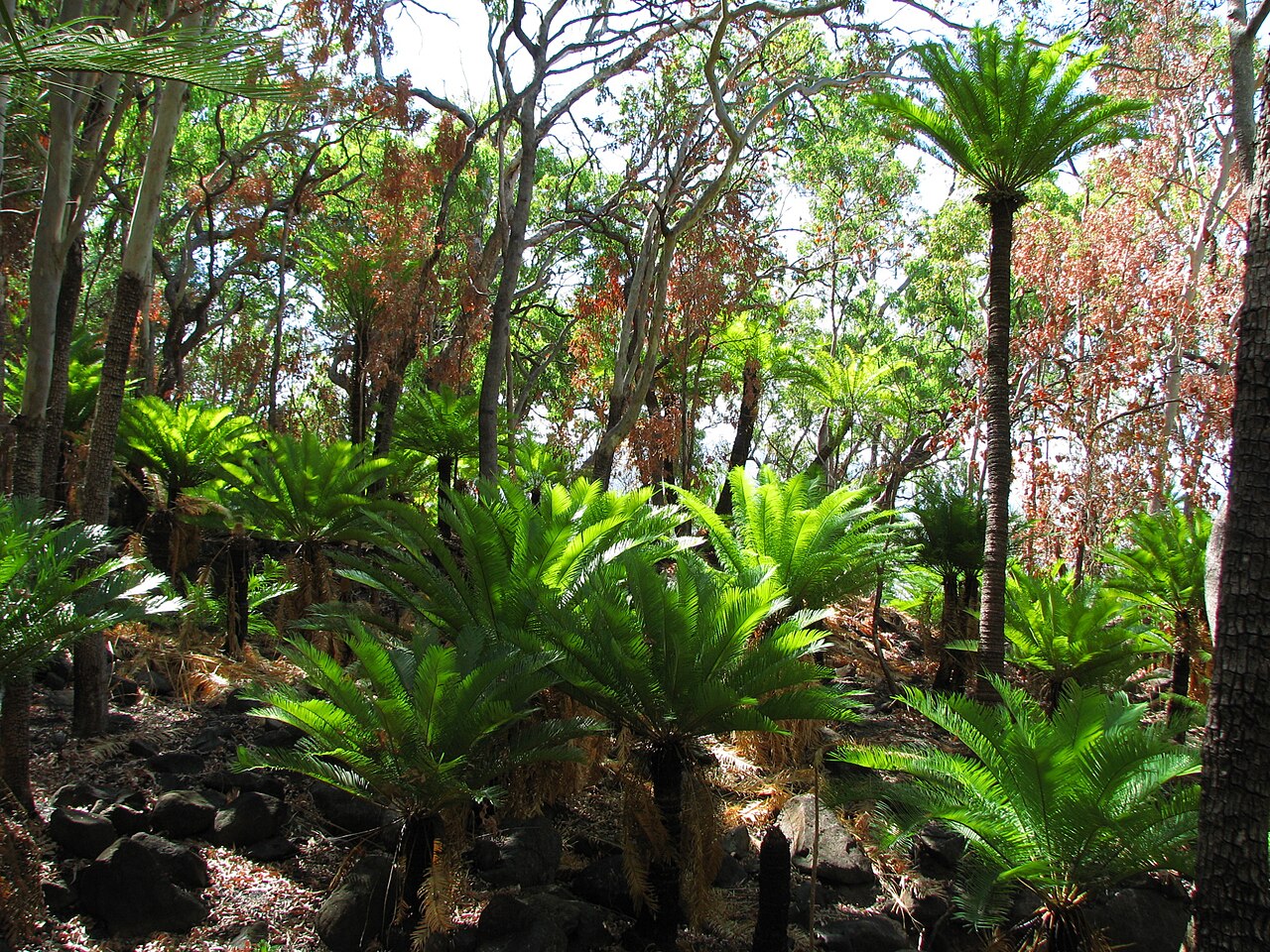
- Leaves: pinnate, tough and often glossy; new leaves unroll from a central bud and may be leathery or finely divided.
- Stem and habit: usually a single, unbranched or rarely branched stem that stores nutrients; some species have underground stems.
- Reproduction: dioecious—individuals produce either pollen‑bearing strobili (male cones) or megasporophylls bearing ovules (female structures) rather than true flowers. Pollination in cycads is commonly mediated by insects, though wind can play a role in some species.
- Roots: many Cycas develop coralloid roots containing symbiotic cyanobacteria capable of fixing atmospheric nitrogen, an unusual trait among seed plants.
Distribution and diversity
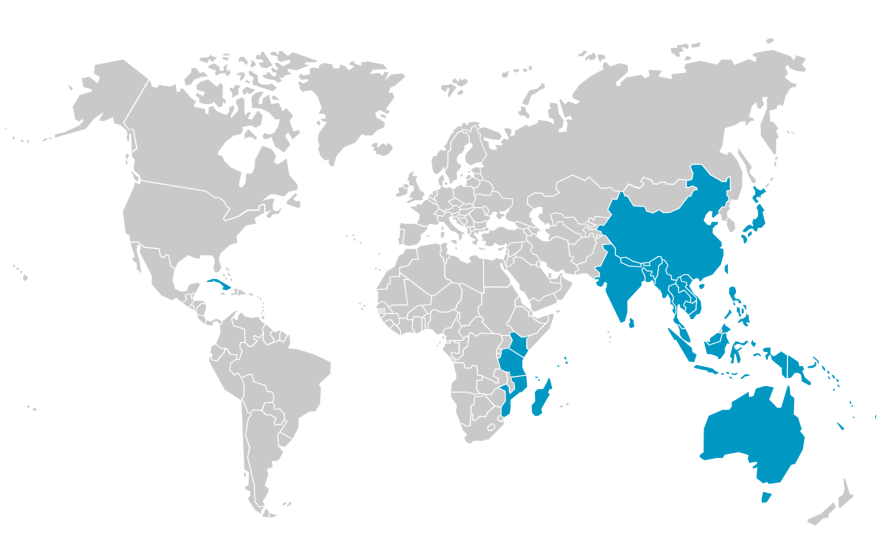
Cycas is native to the Old World: tropical and subtropical regions of eastern and southeastern Asia, eastern Africa and Madagascar, northern Australia, Polynesia and Micronesia. More than one hundred species have been described, with centers of diversity in Southeast Asia and northern Australia. Australia hosts a notable diversity, and the Indo‑Chinese region is also species‑rich. The widely cultivated Cycas revoluta (commonly called the sago palm) is one of the best known species and reaches the northern limits of the genus in southern Japan; other species occupy more restricted island or coastal ranges.
Reproduction and life cycle
Cycas plants are dioecious: male plants produce pollen in compact cones, while female plants bear megasporophylls that hold ovules and later seeds. Seeds of Cycas are often relatively large and may be dispersed by gravity, water or animals depending on habitat. Growth is slow; many species take years to reach reproductive maturity. Some species also produce offsets or basal suckers that allow vegetative propagation.
Fossil history and phylogeny
Cycads as a broader group have an ancient fossil record and were abundant in the Mesozoic era. The fossil record specific to the modern genus Cycas appears more clearly in the Cenozoic, although cycas‑like fossils extend further back in geological time. Molecular and phylogenetic studies indicate that Cycadaceae is the sister group to the other living cycad families, a relationship that helps explain some shared and distinguishing traits within Cycadales.
Uses, toxicity and cultivation
Several Cycas species are cultivated for ornamental use in gardens, parks and interiorscapes because of their distinctive foliage and architectural form. In some traditional societies parts of cycads have been processed to obtain a starch commonly referred to as sago; such use requires careful and prolonged detoxification because seeds and other tissues often contain toxic compounds, notably cycasin, that can be harmful to humans and animals. Cultivation is commonly by seed or by removal and potting of offsets; many species are valued in horticulture and nursery trade for their drought tolerance and tolerance of poor soils.
Conservation
Many Cycas species face conservation challenges. Threats include habitat loss from agriculture and development, overcollection for horticulture, small and fragmented populations, and the effects of invasive species and altered fire regimes. Conservation responses range from habitat protection and legal trade controls to ex situ cultivation in botanical gardens and seed banks, as well as community‑based management in places where local people use cycads. Many cycads are subject to international trade regulations and national protections because of their vulnerability.
Further reading and resources
- Overview of Cycas
- Cycad evolutionary history
- Species list and taxonomy
- Etymology of the name Cycas
- Differences between palms and cycads
- Geographic range: Old World distribution
- Equatorial and subtropical habitats
- Asian Cycas species
- Cycas in the Philippines
- African Cycas species
- Madagascar and island endemics
- Australian Cycas flora
- Pacific island occurrences
- Micronesian records
- Northern range limits
- Southern range limits
- Cycads as living fossils
- Fossil evidence for Cycas
- Cenozoic occurrences
- Mesozoic cycad‑like plants
- Phylogenetic studies of Cycadaceae
Note: This article provides a general encyclopedic overview. For species identification, cultivation protocols, or medical advice about toxins, consult specialist literature or authoritative sources linked above.
Questions and answers
Q: What is the genus of plants known as?
A: The genus of plants is known as Cycas.
Q: What family does Cycas belong to?
A: Cycas belongs to the Cycadaceae family.
Q: How many species are known in this genus?
A: Over 100 species are known in this genus.
Q: What is the most well-known species of Cycas?
A: The most well-known species of Cycas is Cycas revoluta, also known as the Sago Palm.
Q: Where can we find native populations of these plants?
A: Native populations of these plants can be found in eastern and southeastern Asia including the Philippines, eastern Africa (including Madagascar), northern Australia, Polynesia, and Micronesia.
Q: Are these plants considered a living fossil? A: Yes, these plants have often been considered to be a living fossil.
Q: What studies have shown about the relationship between cycads and other living cycads? A: Phylogenetic studies have shown that Cycadaceae is the sister-group to all other living cycads.
Related articles
Author
AlegsaOnline.com Cycas — ancient gymnosperms: description, distribution, uses and conservation Leandro Alegsa
URL: https://en.alegsaonline.com/art/24856