
Cotopaxi: Ecuador's high active stratovolcano
Cotopaxi is a prominent active stratovolcano in Ecuador, famed for its snow-capped summit near the equator, frequent explosive activity, glacial hazards, and close scientific monitoring.
Cotopaxi is a striking volcano in Ecuador, rising as a near-perfect cone above the high Andean plains. Often referred to simply as the mountain, its summit reaches roughly 5,900 metres, high enough to sustain perennial snow and glaciers (snow) despite its proximity to the equator, a normally warm region. Cotopaxi’s combination of elevation, glaciation and volcanic activity makes it one of the most notable peaks in the northern Andes.
Image gallery
10 Images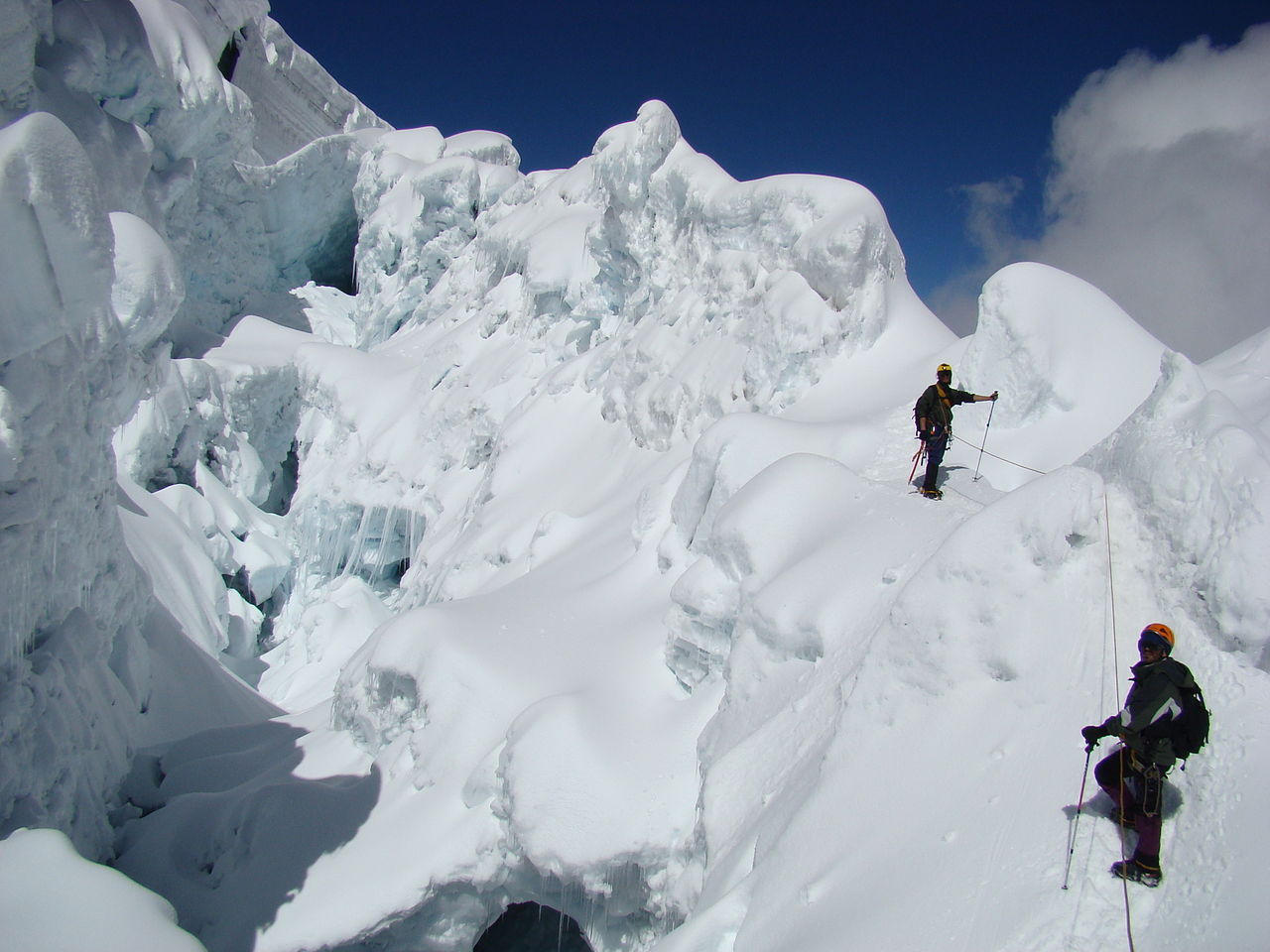
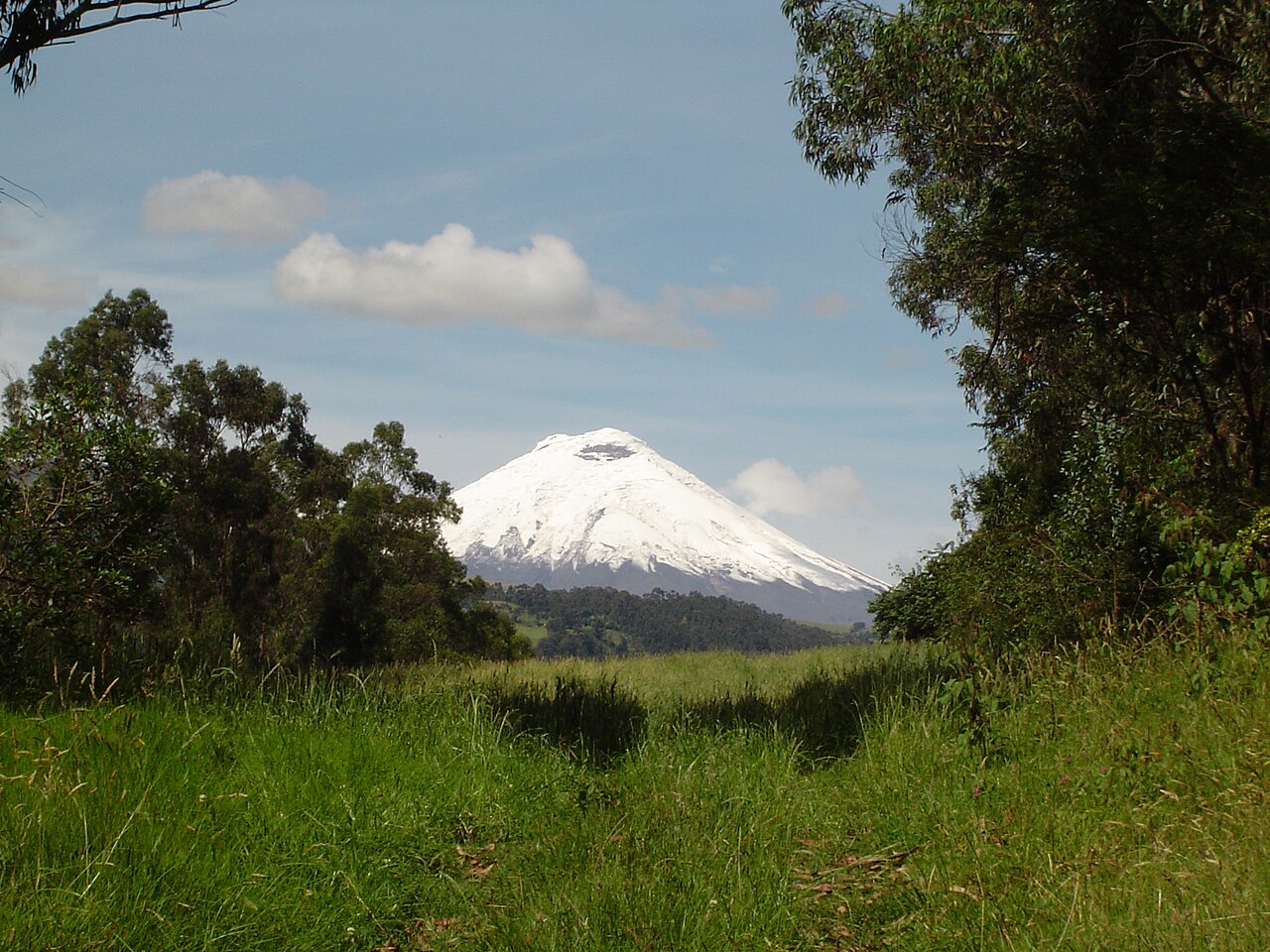

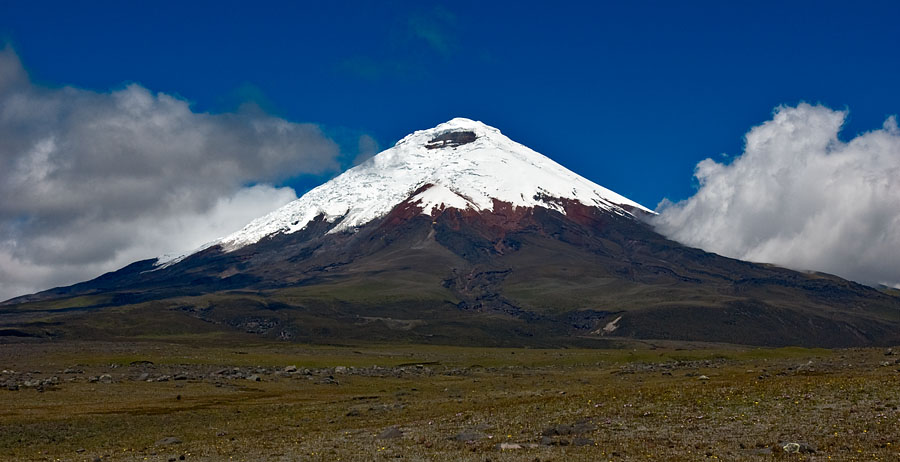


Physical characteristics
Cotopaxi is a classic stratovolcano: steep-sided, layered by alternating lava flows and explosive deposits. The summit contains a summit crater and permanent icefields that feed glaciers down its flanks. Rock composition and eruptive style tend to produce explosive eruptions and pyroclastic material, which can mix with snow and ice to generate fast-moving volcanic mudflows known as lahars.
History and recent activity
The volcano has a long record of eruptions documented in historical and geological records. Periods of frequent explosive activity have produced ashfall and lahars that affected nearby communities and farmland. In recent decades Cotopaxi has shown episodes of unrest; for example, authorities placed the volcano under heightened watch in 2015 after renewed seismic and surface activity. Monitoring continues because its eruptions can be sudden and disruptive.
Hazards and monitoring
Principal hazards from Cotopaxi include:
- Ashfall that can damage crops, contaminate water, and disrupt air traffic.
- Pyroclastic flows and ballistic projectiles near the summit and upper slopes.
- Lahars produced when eruptive heat rapidly melts summit snow and ice, sending destructive flows along river valleys.
- Secondary effects such as floods, infrastructure loss, and long-term soil changes.
Because of these dangers, Ecuadorian institutions maintain continuous surveillance. The Geophysics Institute at the National Polytechnic School in Quito coordinates observations, using seismic networks, gas measurements and visual reports provided by teams of seismologists and volcanologists. Data from these systems informs hazard alerts, evacuation planning and public advisories.
Human and cultural significance
Cotopaxi is both a natural landmark and a destination for climbers and tourists. Its distinctive cone appears in Ecuadorian art, literature and national imagery. At the same time, the volcano shapes local livelihoods: its soils are fertile yet vulnerable to ash, and communities near its base must balance the benefits of highland agriculture and tourism with the risks of living near an active volcano. Ongoing scientific study and community preparedness aim to reduce those risks while preserving the mountain’s ecological and cultural roles.
Related articles
Author
AlegsaOnline.com Cotopaxi: Ecuador's high active stratovolcano Leandro Alegsa
URL: https://en.alegsaonline.com/art/23362
Sources
- wired.com : A RESTLESS VOLCANO PUTS ECUADOR ON EDGE ONCE MORE
- dutchsinse.com : ECUADORS COTOPAXI VOLCANO COULD SOON ERUPT — LAST ERUPTION IN 1904 .. 111 YEARS AGO
- volcanocafe.wordpress.com : Cotopaxi – A most dangerous volcano
- wikidata.org : wikidata.org/wiki/Q181476
- aleph.nkp.cz : ge1007536