
Altitude: meaning, measurement, uses, and related terms
Altitude is the vertical distance of a point above a reference such as ground or sea level. This article explains definitions, measurement methods, applications in aviation and surveying, and distinctions like elevation and depth.
Altitude commonly denotes the vertical distance between two points, typically expressed as how high something is above a chosen reference. In everyday language it often means height above the ground or above mean sea level. The concept emphasizes the vertical or "up" direction rather than horizontal placement, and it is fundamentally a measure of distance along that axis.
Image gallery
1 Image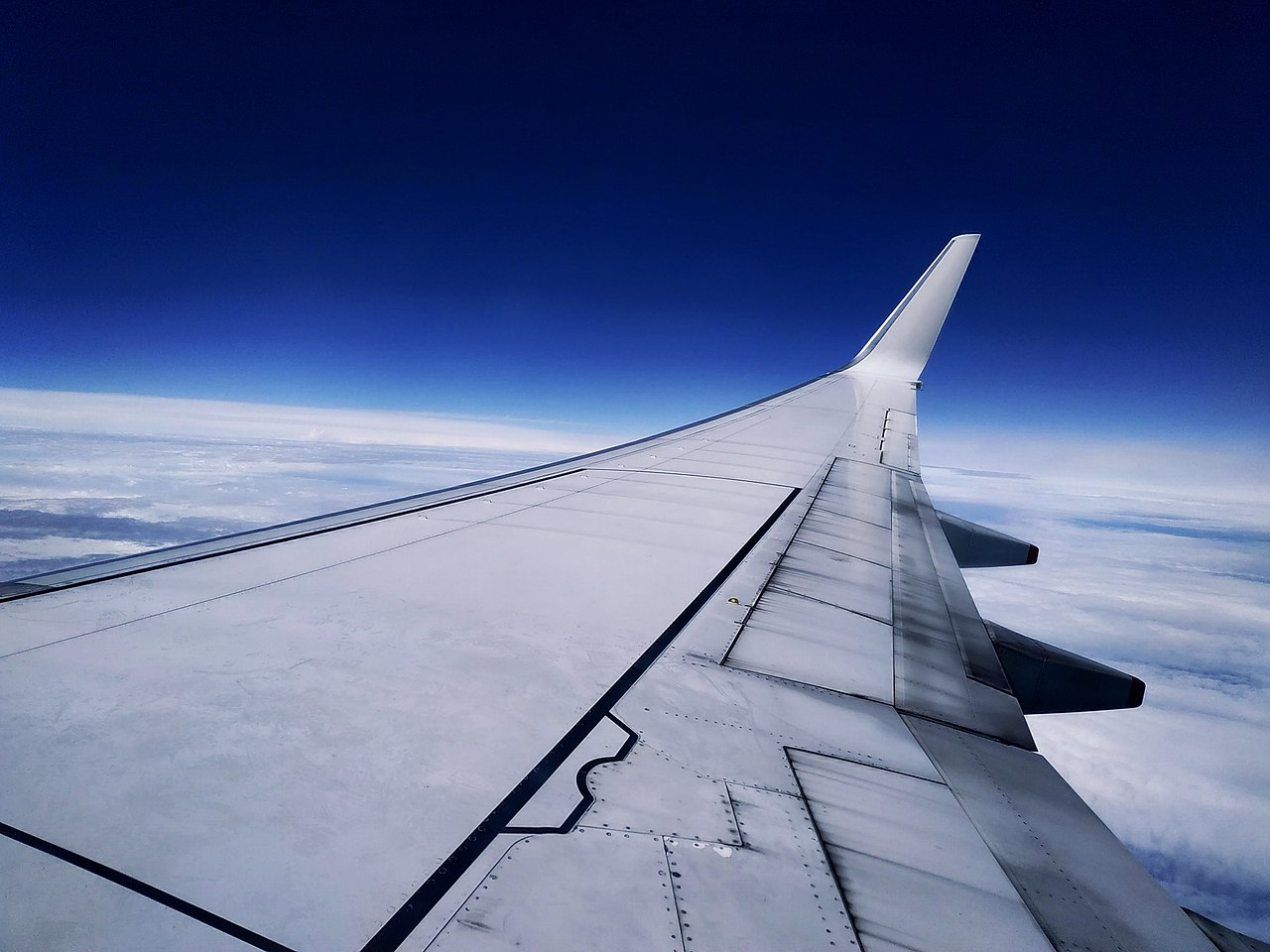
Definitions and related terms
Different fields use slightly different words when describing vertical position. In topography and mapping the term elevation is frequently used for the height of the ground surface above a datum such as sea level. For constructed objects the word height often refers to their size from base to top. In contrast, "altitude" is particularly common in contexts where position above a reference point matters for movement or physiology, for example when climbing mountains or flying. Vertical distances below a reference are usually called depth.
How altitude is measured
There are several practical ways to measure altitude. Barometric altimeters infer vertical distance by comparing atmospheric pressure to standard models; they are simple and widely used in recreational flying and hiking but require calibration. Global navigation satellite systems (GNSS) like GPS compute a geometric height relative to an ellipsoidal model of the Earth and are valuable for navigation and many scientific applications. Surveying techniques produce precise orthometric heights tied to geoid models and are used in civil engineering and cartography. Different measurement systems can give slightly different values for the same location because they reference different mathematical surfaces and datums.
Uses and examples
- Aviation: pilots and air traffic controllers rely on altitude to maintain separation between aircraft and to determine safe flight levels.
- Mountaineering and outdoor recreation: climbers track altitude to plan routes and monitor acclimatization.
- Weather and atmospheric science: many meteorological variables vary strongly with altitude, which guides instrument placement and data interpretation.
- Surveying and construction: accurate vertical control is essential for design, drainage, and building safety.
- Geometry: the term altitude denotes the perpendicular distance from a base to the opposite vertex in polygons and polyhedra.
Human and environmental effects
Altitude influences climate, vegetation, and human physiology. Temperature and air pressure generally decrease with increasing altitude, which affects weather patterns and ecological zones. For people, reduced oxygen partial pressure at high altitude can cause acute mountain sickness and requires gradual acclimatization on extended ascents. Engineering projects and aircraft performance calculations must account for altitude because it changes material behavior, engine output, and aerodynamic forces.
Important distinctions and notable facts
- Altitude vs elevation: altitude often conveys a context-dependent vertical position (for example in aviation or climbing), while elevation typically names the height of terrain above sea level on maps (geography).
- Altitude vs height: height is a general descriptor for object size or the vertical extent from base to top, commonly used in architecture and everyday speech.
- Altitude vs depth: depth refers to vertical distance below a reference surface, such as sea depth beneath a waterline.
- Measurement differences: barometric, GNSS and geodetic/survey heights can disagree by meters because they reference different models and conditions; users must choose the appropriate system for safety and accuracy.
When reading or using altitude values it is good practice to note the reference datum, the measurement method, and the intended context, so the figure can be interpreted correctly for navigation, science, engineering or recreation.
Questions and answers
Q: What is altitude?
A: Altitude is the height above the ground or above sea level.
Q: What are some common uses of altitude?
A: Some common uses of altitude include aviation (flying, parachuting, gliding), and geography/surveying.
Q: How is altitude used in geometry?
A: Altitude is used in geometry as the height of the object itself.
Q: What is the general definition of altitude?
A: Generally, altitude is the distance one thing is above another thing in the vertical or "up" direction.
Q: What term is commonly used for the height of the ground?
A: For the height of the ground, the word elevation is also used and might be a better choice.
Q: What term is commonly used by mountain climbers?
A: Mountain climbers usually use the word altitude, especially when talking about how it affects the body.
Q: What term is commonly used for vertical distance measurements in the "down" direction?
A: Vertical distance measurements in the "down" direction are commonly referred to as depth.
Related articles
Author
AlegsaOnline.com Altitude: meaning, measurement, uses, and related terms Leandro Alegsa
URL: https://en.alegsaonline.com/art/3076
Sources
- srh.noaa.gov : "Layers of the Atmosphere"
- medterms.com : Webster's New World Medical Dictionary
- ismmed.org : "An Altitude Tutorial"
- archive.rubicon-foundation.org : "Medical Problems in High Mountain Environments. A Handbook for Medical Officers"
- pbs.org : "Atmospheric pressure"
- doi.org : 10.1089/15270290260512882
- pubmed.ncbi.nlm.nih.gov : 12631426
- ncbi.nlm.nih.gov : "Oxygen at high altitude"
- doi.org : 10.1136/bmj.317.7165.1063
- pubmed.ncbi.nlm.nih.gov : 9774298
- bordeninstitute.army.mil : Human Adaptation to High Terrestrial Altitude. In: Medical Aspects of Harsh Environments
- archive.rubicon-foundation.org : "Altitude Acclimatization Guide"
- pbs.org : "Everest:The Death Zone"