
Cyclone Kyarr (October 2019)
October 2019 super cyclonic storm in the Arabian Sea. Kyarr strengthened to rare ‘super cyclonic’ intensity, stayed over open water and produced high seas and coastal rainfall across parts of Arabia, Somalia and western India.
Kyarr was a powerful tropical cyclone that developed over the northwestern Indian Ocean in late October 2019 and was designated a "super cyclonic storm" by the India Meteorological Department (IMD), the regional warning agency. The label marks the highest intensity category used by the IMD and is applied only to the most intense systems. For general background on tropical cyclone classifications see regional meteorological guidance.
Image gallery
4 Images


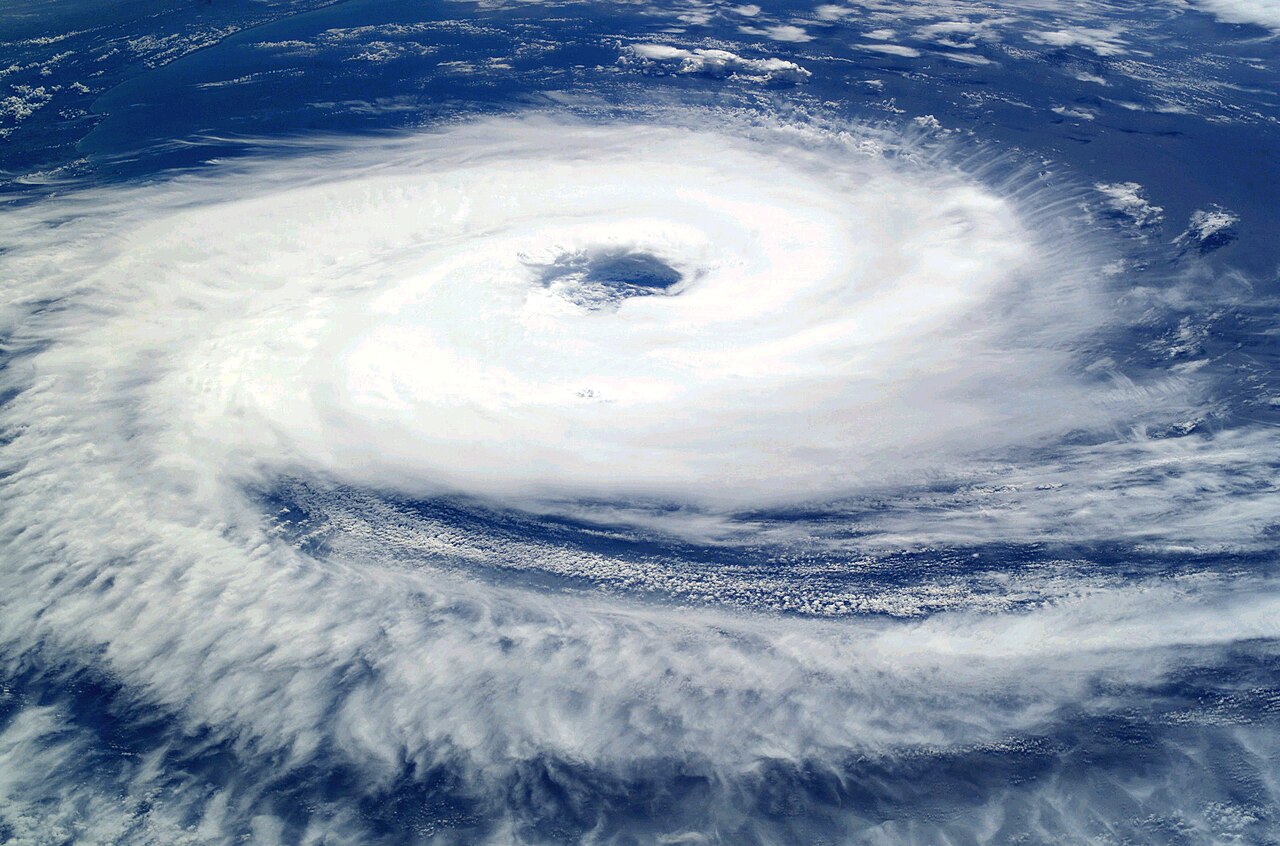
Meteorological history
The system formed in the Arabian Sea and intensified as it moved westward away from the Indian subcontinent. Favorable ocean heat and atmospheric conditions allowed rapid strengthening during its mature stage. Kyarr reached its peak while still over open water and later weakened as environmental conditions changed and it tracked toward the western reaches of the basin near the coastlines of Arabia and the Horn of Africa.
Characteristics and structure
- Classification: designated a super cyclonic storm by the IMD, indicating exceptional sustained winds and a well-organized core.
- Core features: intense convection, a compact eye at peak intensity, and strong circulation typical of intense tropical cyclones.
- Environmental drivers: warm sea-surface temperatures in the Arabian Sea and relatively low vertical wind shear during peak intensification.
Path, impacts and affected areas
Kyarr tracked across the central and western Arabian Sea and did not make a direct landfall. Because it remained primarily over open water, impacts on land were limited to heavy surf, elevated coastal seas, and episodic rainfall in parts of western India, the Arabian Peninsula and the Horn of Africa. Shipping and offshore platforms in the region experienced hazardous conditions. Regional impacts and advisories were noted for areas around the Arabian Sea including stretches of the Somali and Arabian coasts; see regional notices for local details Arabian Sea advisories and Horn of Africa weather.
Forecasting, response and outcomes
Forecasters tracked Kyarr closely and issued marine warnings and coastal advisories. Preparations in some coastal communities focused on securing boats and infrastructure and avoiding high-risk sea activities. Because the system kept to the open sea and weakened before approaching land significantly, there were no widely reported fatalities associated with Kyarr.
Significance and notable facts
Kyarr was notable for being one of the rare storms in the North Indian Ocean to reach the IMD's top intensity in recent years, drawing attention to the potential for intense cyclones in the Arabian Sea when conditions permit. Its evolution illustrated how rapid intensification can occur when ocean and atmospheric conditions align, and reinforced the importance of maritime warnings and coastal preparedness even when a storm is not expected to make landfall.
Questions and answers
Q: What was Cyclone Kyarr?
A: Cyclone Kyarr was a super cyclonic storm that affected Western India, Arabia, and Somalia.
Q: When did Cyclone Kyarr occur?
A: Cyclone Kyarr occurred in 2019.
Q: Was Cyclone Kyarr the first super cyclonic storm since 2007?
A: Yes, Cyclone Kyarr was the first super cyclonic storm since 2007.
Q: Did Cyclone Kyarr track over land?
A: No, Cyclone Kyarr never tracked over land.
Q: Were there any casualties caused by Cyclone Kyarr?
A: No, there were no casualties caused by Cyclone Kyarr.
Q: Which regions were affected by Cyclone Kyarr?
A: Cyclone Kyarr affected Western India, Arabia, and Somalia.
Q: Was Cyclone Kyarr a powerful storm?
A: Yes, Cyclone Kyarr was a powerful tropical cyclone.
Related articles
Author
AlegsaOnline.com Cyclone Kyarr (October 2019) Leandro Alegsa
URL: https://en.alegsaonline.com/art/24872
Sources
- washingtonpost.com : "Category 4 Kyarr is the strongest cyclone over the Arabian Sea in 12 years" · web.archive.org