
Cryovolcano (ice volcano): cold eruptions on icy worlds
Cryovolcanoes are cold-temperature volcanoes that erupt volatile liquids or gases (water, ammonia, methane) on icy moons, dwarf planets and other cold bodies, reshaping surfaces and exposing subsurface material.
Cryovolcanoes, often called ice volcanoes, are geological vents that erupt volatile substances instead of silicate lava. These eruptions involve materials that are liquid or gaseous at very low temperatures and solidify on exposure to a cold surface. The phenomenon is distinct from terrestrial volcanism and is discussed in planetary geology as a mechanism for resurfacing and material exchange between an interior and the exterior environment. See a general overview definition and context.
Image gallery
10 Images





Materials and behaviour
Cryovolcanic eruptions can expel a variety of constituents. Commonly proposed or observed materials include:
- Mixed volatiles and slurries of ice and dissolved compounds that flow as low-temperature fluids.
- Liquid water or brines that may emerge from a subsurface ocean or melted ice layer.
- Ammonia, which acts as an antifreeze and lowers melting points in icy mixtures.
- Methane and other hydrocarbons that can behave as eruptible fluids on very cold worlds.
Mechanisms and energy sources
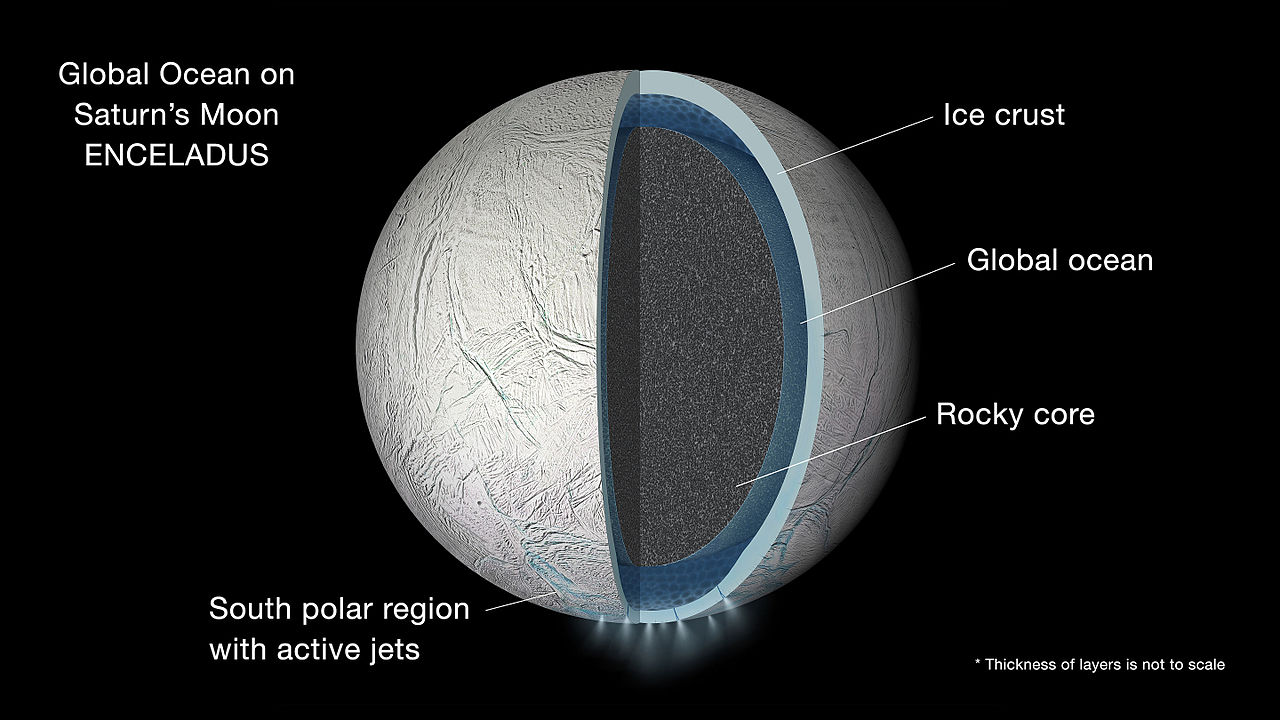
Cryovolcanism requires a source of heat or pressure to mobilize otherwise frozen volatiles. Tidal heating from a parent planet, radiogenic decay of rocky interiors, and residual heat from accretion can all drive melt and pressurize reservoirs. Many examples are proposed on icy moons where subsurface layers might be liquid or ductile and can feed eruptions that send material to the surface.
Where it has been seen or inferred
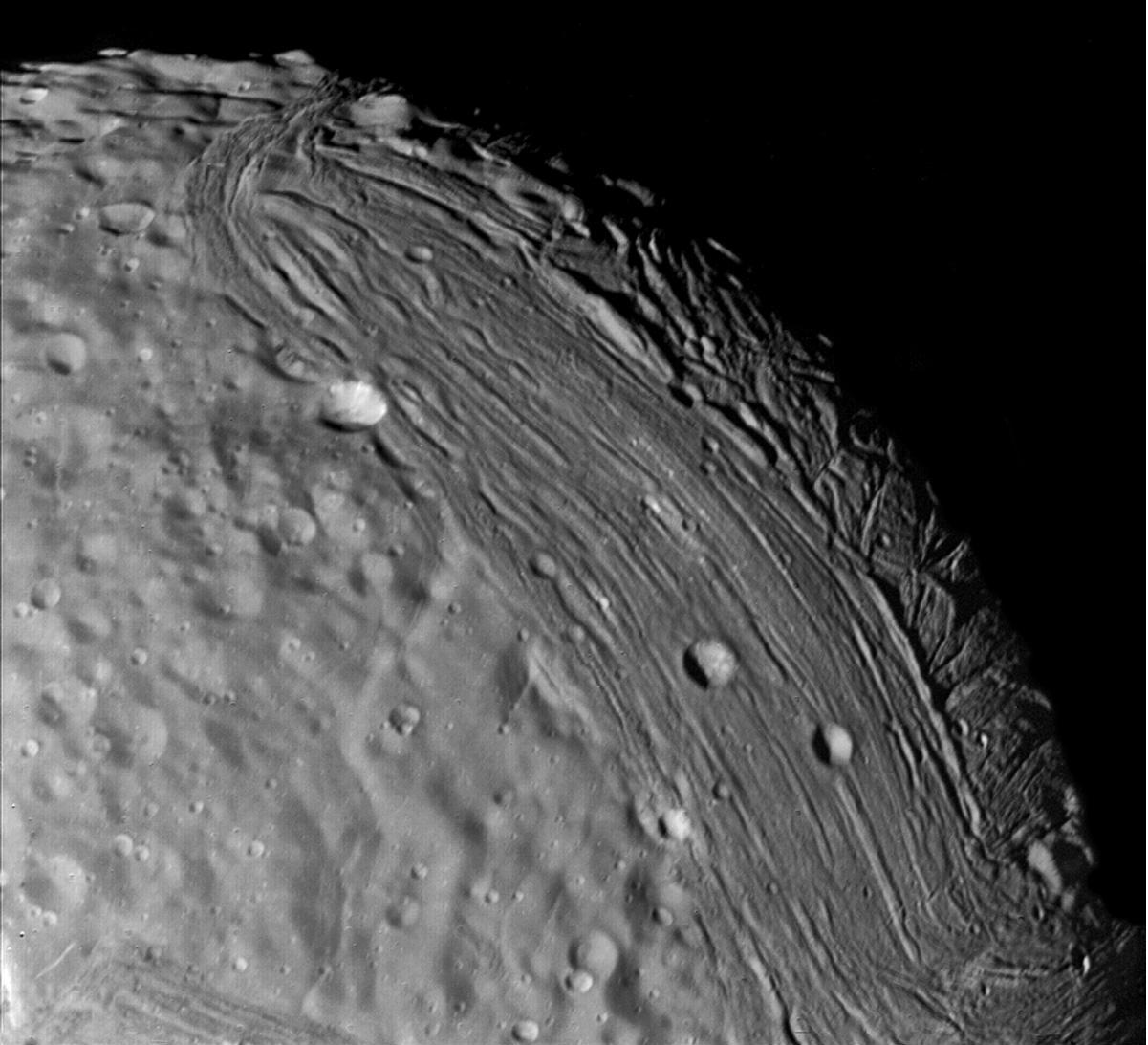
Convincing evidence comes from spacecraft observations. Active plumes and jets were imaged on Neptune's moon Triton and Saturn's moon Enceladus, the latter showing persistent water-rich geysers linked to a subsurface sea. Features on Pluto and other outer-system objects suggest past or possible cryovolcanism in the Kuiper belt (Kuiper Belt objects). Geological domes and flows interpreted as cryovolcanic include domes on the dwarf planet Ceres and candidate constructs on several icy satellites.
Significance and open questions
Cryovolcanism is important because it can renew surface terrain, transport chemical species, and expose materials from below—processes relevant to habitability studies. Observations of plume composition and surface deposits help infer the chemistry of subsurface reservoirs. Many questions remain: how often eruptions occur, the depths and compositions of source reservoirs, and how cryovolcanism interacts with long-term thermal evolution. Active and suspected sites continue to be prime targets for future missions and remote sensing surveys.
Related articles
Author
AlegsaOnline.com Cryovolcano (ice volcano): cold eruptions on icy worlds Leandro Alegsa
URL: https://en.alegsaonline.com/art/24448