
Crater: Impact and Volcanic Depressions on Planetary Surfaces
A crater is a bowl-shaped depression on a planetary surface formed mainly by impacts or volcanic activity; this article explains types, formation, morphology, examples, and scientific importance.
Overview
A crater is a rounded depression in the surface of a planet, moon, asteroid, or other solid body. Most craters are created when an object from space strikes the surface at high speed, excavating material and leaving a typically circular or elliptical hole. Craters also form from internal activity such as volcanic collapse or subsurface explosions, but these have different shapes and origins.
Image gallery
6 Images



How craters form
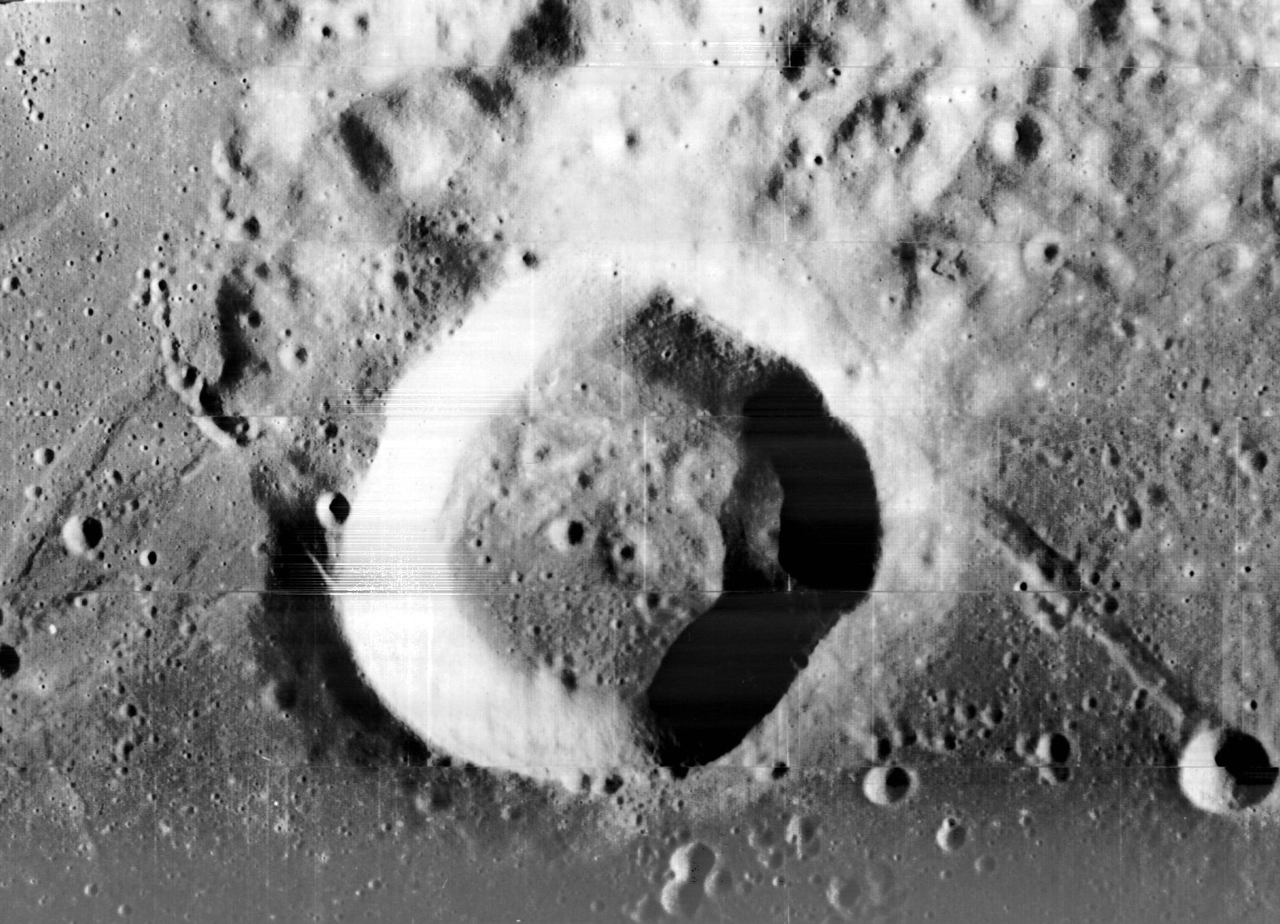
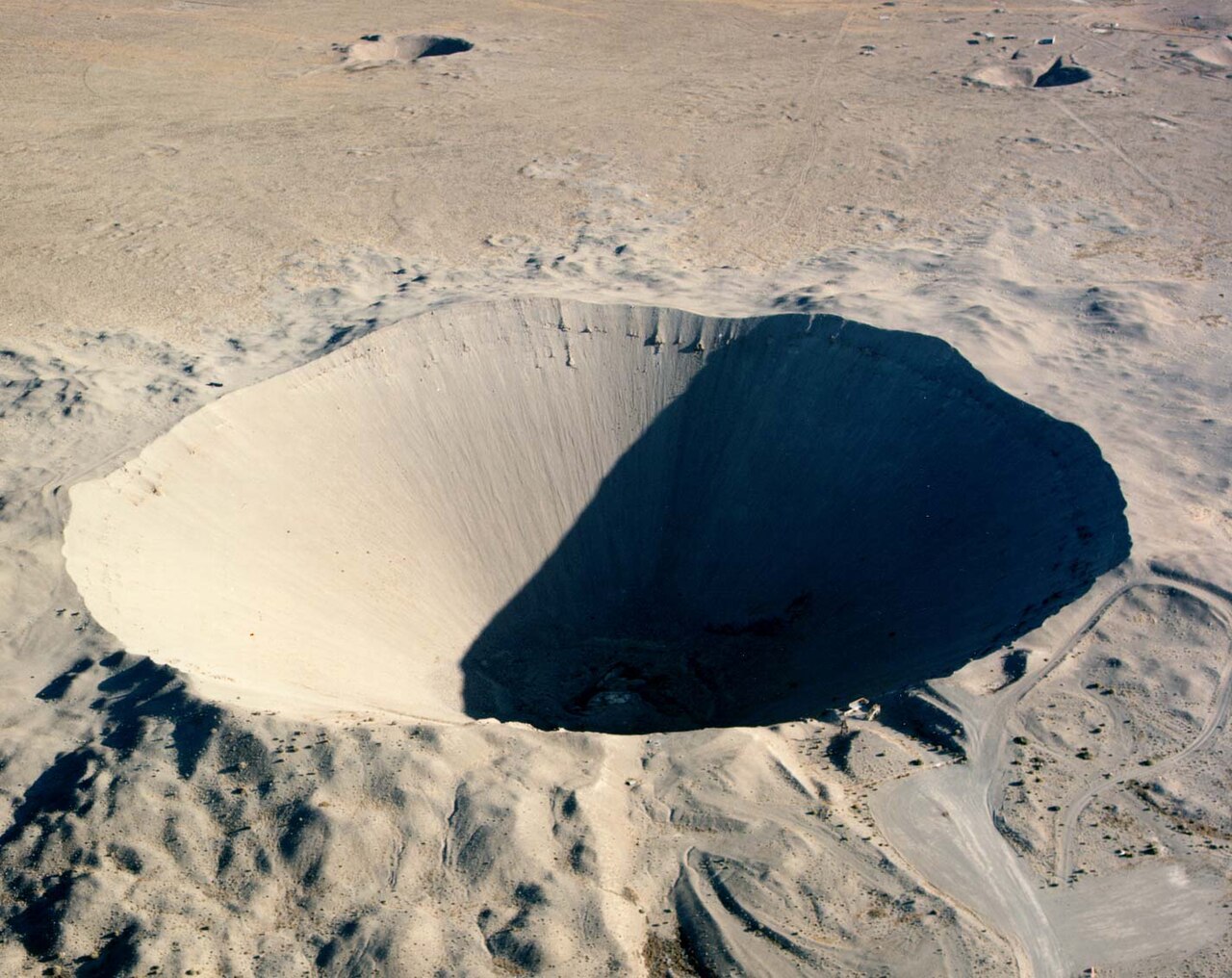
Impact craters result from the sudden release of kinetic energy when a meteoroid, asteroid, or comet collides with a surface. The outward blast produces a roughly circular rim and an ejecta blanket; off‑angle strikes can produce an oval outline. The incoming object is commonly called a meteor (or meteoroid before entering an atmosphere). Volcanic or tectonic processes can also produce depressions: a collapsing magma chamber can create a caldera, while gas-driven ruptures or man-made detonations produce crater-like hollows associated with explosions.
Typical characteristics
Simple impact craters are bowl-shaped; larger impacts produce complex structures with terraces, central peaks, or rings due to rebound and collapse. Ejecta patterns, secondary craters, and shock metamorphism are common diagnostic features. Volcanic craters and calderas tend to be associated with volcanic cones, fissures, or lava flows and often show different layering and deposits than impact craters.
Features and distinctions
- Rim and basin: Raised edge surrounding the depression.
- Central peak: Common in larger impact craters from rebound.
- Ejecta: Debris thrown outward from the impact site.
- Caldera: A collapse feature tied to volcanic activity, not an impact.
Scientific importance and examples
Craters serve as tools for understanding geological history. Counting and analyzing crater populations helps estimate surface ages and past impact rates on bodies such as the Moon, Mars, and Mercury. Terrestrial examples exist but are often eroded or altered by weathering and tectonics. Studies of crater morphology reveal information about the impacting body, local surface materials, and subsurface structure.
Context and usage
People use the term crater in everyday language for any round depression, whether on a planet, hillside, or mine. Scientific descriptions differentiate impact craters from those made by volcanoes or human activity, and they rely on specific criteria such as shock features and ejecta. Small secondary depressions formed by falling fragments contrast with primary basins excavated by the main impact.
For further reading on crater types, morphology, and planetary distribution see resources linked here: shape and distribution, impact processes, and explosive origins. Additional perspectives and data are available via comparative studies and regional surveys at planetary geology repositories.
Understanding craters helps scientists reconstruct the dynamic history of the Solar System and assess hazards and resources on planetary surfaces.
Related articles
Author
AlegsaOnline.com Crater: Impact and Volcanic Depressions on Planetary Surfaces Leandro Alegsa
URL: https://en.alegsaonline.com/art/24000