
Volcanology: the science of volcanoes, magma, lava and eruptions
Volcanology is the branch of geology that investigates volcanoes, magmatic processes, erupted materials and volcanic hazards. It combines fieldwork, laboratory analysis and monitoring to understand eruptions and risks.
Overview
Volcanology is the scientific discipline within geology devoted to the study of volcanoes, their eruptions, and the materials and processes associated with molten rock. Practitioners—called volcanologists—examine the origin, movement and surface expression of magma, the behaviour of lava when it reaches the surface, and the solid and gaseous products produced during eruptions. The name traces to the Latin word Vulcan, the Roman god of fire, reflecting the field's long cultural connections to volcanic phenomena.
Image gallery
10 Images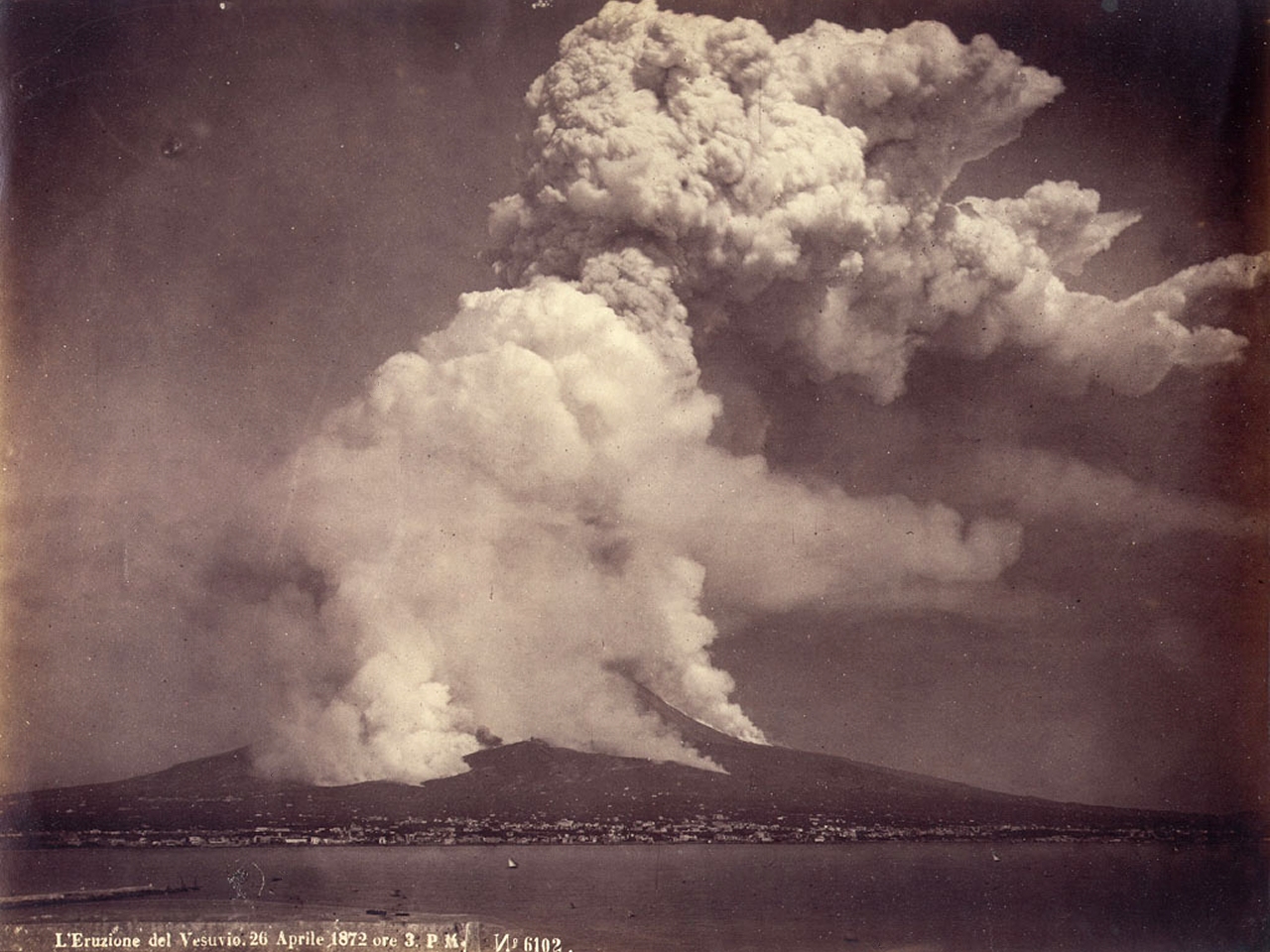






Key materials and structures
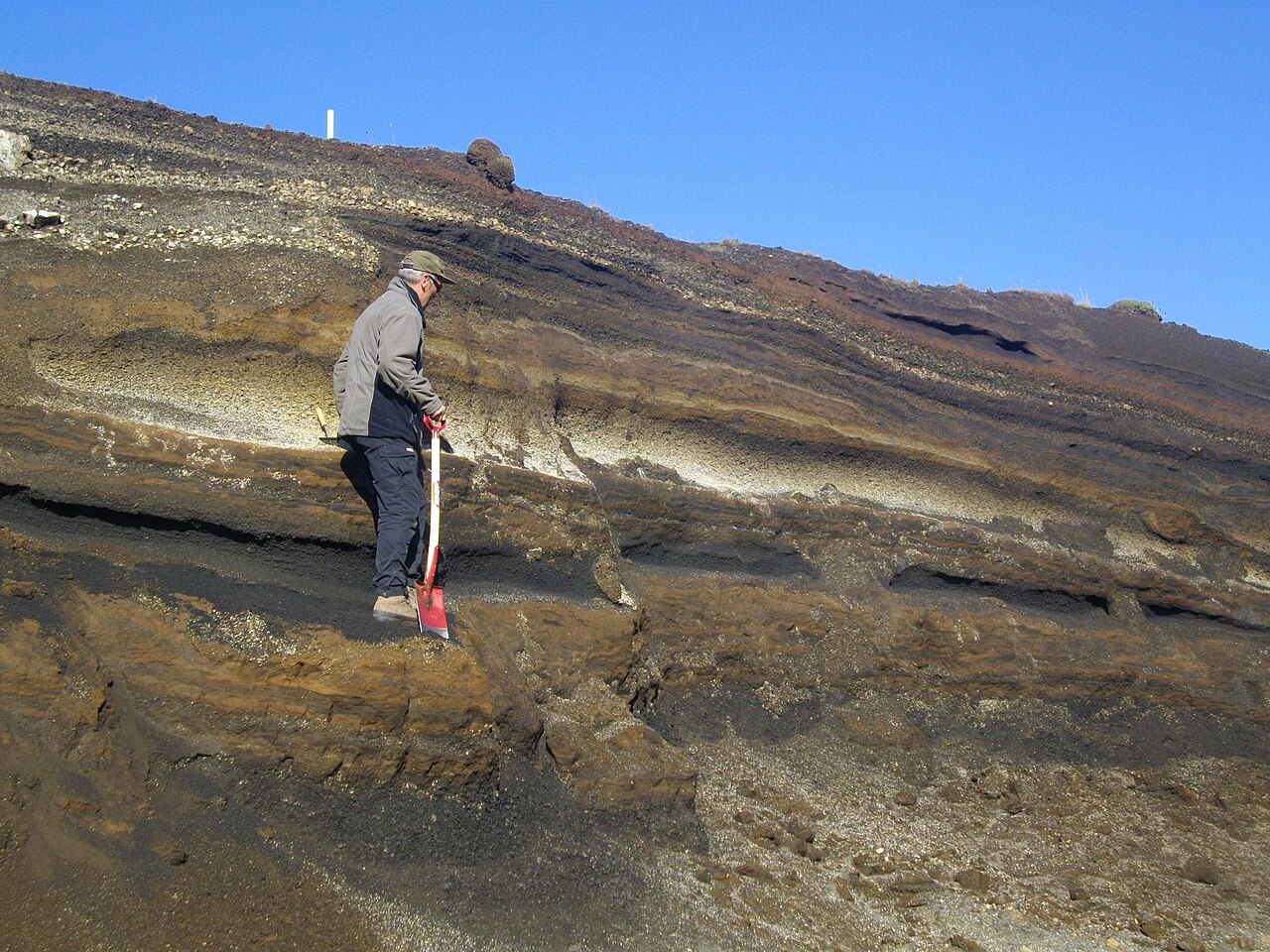
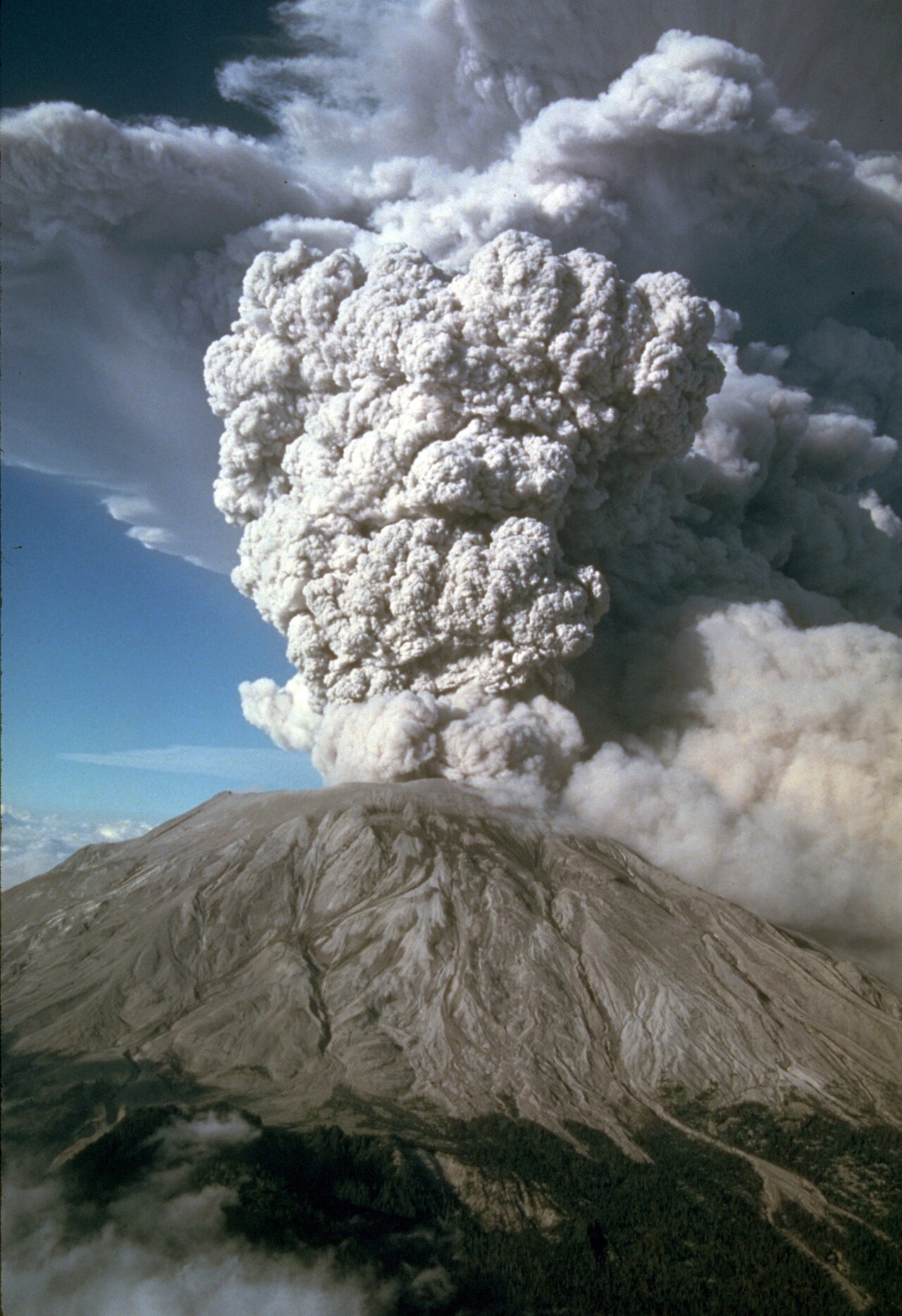
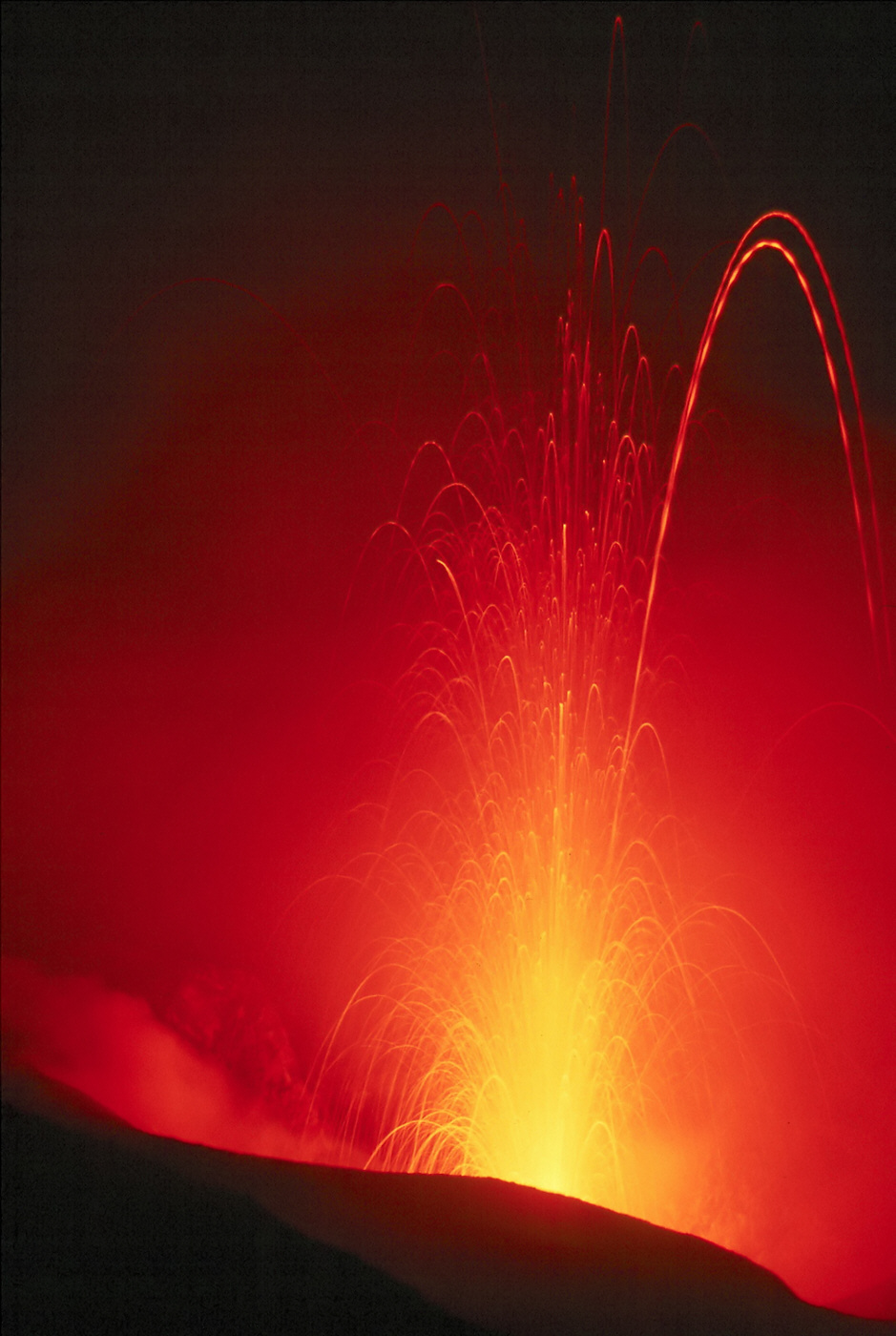
Volcanic systems involve a range of materials and landforms. Magma chambers, conduits, and vents channel molten rock from depth to the surface. Eruptions generate a spectrum of products, from fluid lava flows and dense volcanic rock to fragmented material such as ash and pumice. Solidified fragments and bedrock are studied as rock samples to reconstruct eruptive history and magma chemistry. Volcanologists classify volcanoes by shape and eruptive style—examples include shield volcanoes, stratovolcanoes, calderas and fissure systems—each with distinct patterns of hazard.
Methods and monitoring
Modern volcanology combines field observations with laboratory analyses and continuous monitoring. Techniques include mapping deposits, dating eruption layers, geochemical assays of rocks and gases, and petrological study of crystals to infer magma evolution. Instrumental monitoring uses seismic networks, ground deformation measurements, gas sensors and satellite remote sensing to detect changes that may precede an eruption. Fieldwork often requires close access to active vents, which makes safety and risk management essential components of the discipline.
History and development
The systematic study of volcanoes developed from early natural history and exploration into a quantitative science as instruments and theories advanced. Observations of eruptions and their deposits provided early clues to volcanic mechanisms; later, improvements in seismology, geochemistry and plate tectonics supplied frameworks for understanding how and why volcanism occurs in different settings, from island arcs to continental rifts.
Importance and applications
Volcanology has practical as well as intellectual aims. Forecasting eruptions and understanding hazard pathways—lava flows, ash clouds, pyroclastic density currents and lahars—help civil authorities reduce risk to populations and infrastructure. Volcanic studies also inform geothermal energy exploration, mineral resource assessments, and planetary science by offering analogues for volcanism on other worlds.
Practices and notable considerations
- Field sampling: collecting ash, pumice, lava and rock to analyze composition and eruption chronology.
- Remote sensing: using satellites and airborne sensors to map thermal anomalies and ash plumes.
- Monitoring networks: seismic, deformation and gas data are combined to assess unrest.
- Public communication: translating scientific assessments into warnings and guidance for communities at risk.
Volcanology is inherently interdisciplinary, drawing on petrology, geophysics, geochemistry and atmospheric science. Its work ranges from basic research into magmatic processes to immediate, life-saving hazard assessment. For further reading see general resources in geology and specialist summaries on volcanoes and related topics such as lava, magma, volcanic rocks and products like pumice and other rock types.
Readers seeking to learn more can consult introductory texts, institutional monitoring pages, and review articles that synthesize how observations, laboratory experiments and models are combined to understand volcanic behaviour and reduce volcanic risk.
Related articles
Author
AlegsaOnline.com Volcanology: the science of volcanoes, magma, lava and eruptions Leandro Alegsa
URL: https://en.alegsaonline.com/art/105828