
Cork cambium (phellogen): structure, function and role in plant secondary growth
Cork cambium (phellogen) is a lateral meristem that generates protective cork in many vascular plants; this article explains its structure, origin, functions, occurrence and practical significance.
Overview
The cork cambium, also called phellogen, is a lateral meristematic tissue that produces the outer protective layer known as cork or phellem. It is an integral part of the vascular plants periderm and replaces the epidermis during growth that increases stem and root girth. Together with its derivatives, the cork cambium forms a major component of bark, providing mechanical protection and reducing water loss.
Image gallery
2 Images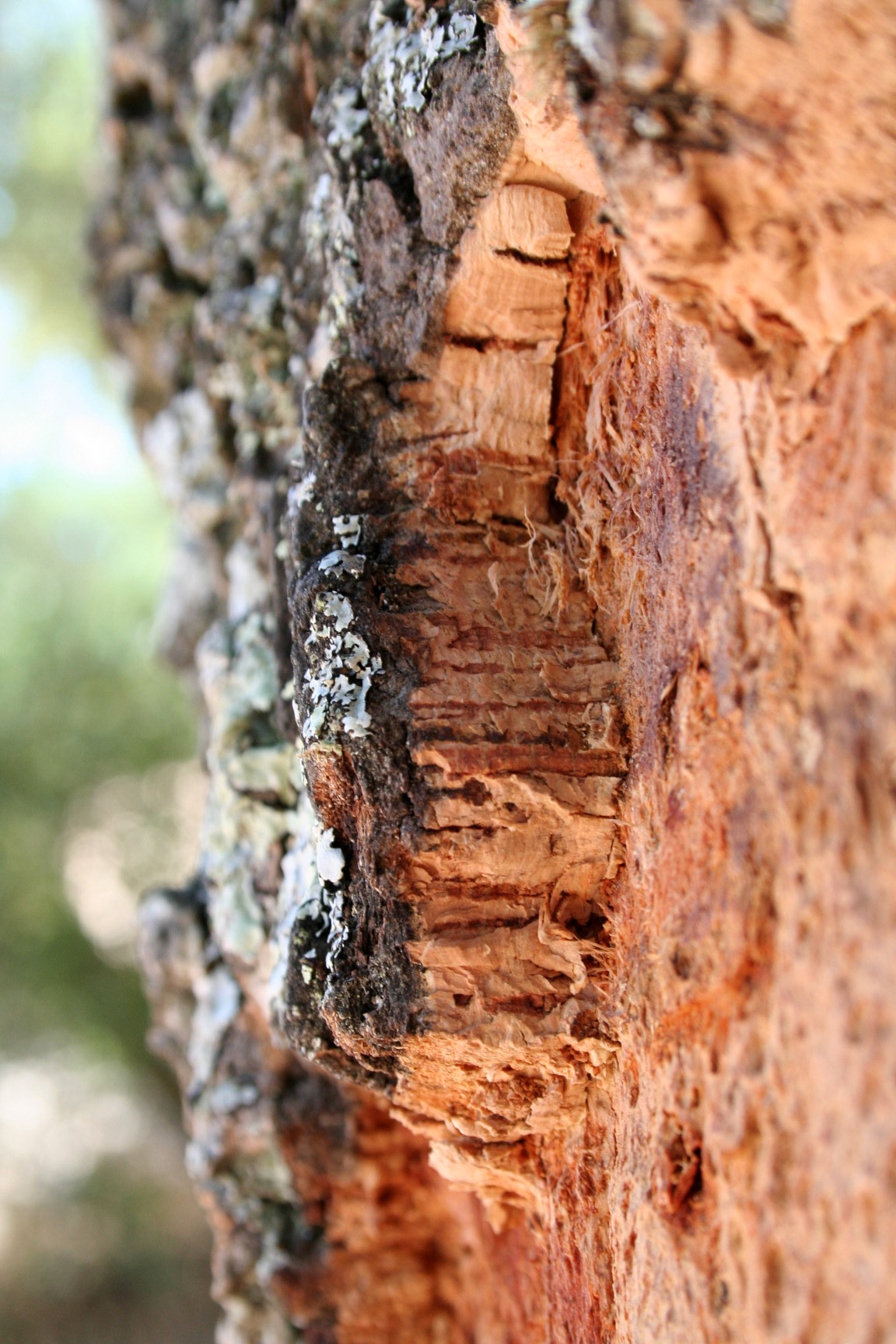

Structure and growth
The cork cambium is a layer of dividing cells located between the cork (phellem) on the outside and a thin layer of living cells called phelloderm on the inside. As a lateral meristem, it divides periclinally to add new cells: outward daughter cells become suberized cork, while inward daughters form phelloderm. The periderm thus formed is successive: older cork layers eventually slough off as the plant expands.
Origin and occurrence
The site where a cork cambium arises differs with organ and species. In roots it may originate from tissues deeper than the epidermis, such as the root pericycle or cortex; in stems it often develops from cortex or subepidermal cells of the stem. Cork cambium is common in woody dicots and many herbaceous dicots, is present in most gymnosperms, and is generally absent from the majority of monocots, which usually lack typical secondary thickening.
Functions and adaptations
The primary role of cork produced by the phellogen is protection. Cork cells become filled with suberin, a waxy substance that makes them impermeable to water and resistant to pathogens and physical damage. Periderms also include openings known as lenticels that permit gas exchange between internal tissues and the atmosphere. In many plants the periderm helps insulate tissues and reduce herbivore damage.
Practical importance and examples
Cork extract from certain species has economic value: the cork oak (Quercus suber) is renowned for producing a thick, buoyant and compressible cork layer used for bottle stoppers and insulation. Beyond commercial uses, periderm formation is an important consideration in forestry, horticulture and plant pathology because it influences wound healing, disease resistance and the appearance of stems and roots.
Key distinctions and terminology
In botanical nomenclature the cork cambium is synonymous with terms such as phellogen, bark cambium or pericambium. It should not be confused with the vascular cambium, which produces secondary xylem (wood) and secondary phloem. The cork cambium specifically generates the periderm components: phellem (cork) outward and phelloderm inward, often replacing the epidermis during secondary growth and contributing to the multilayered structure commonly referred to as primary phloem and outer bark interactions.
- Meristematic origin: cells are not highly specialized and retain the capacity to divide.
- Protective chemistry: suberin and other compounds in cork cells limit water loss and infection.
- Distribution: widespread across many plant groups but variable in form and timing.
For concise introductions or further technical detail consult general plant anatomy references or dedicated resources on secondary growth and periderm development at sources indexed under terms such as root periderm, stem periderm, and woody plant anatomy. Additional material on comparative anatomy and evolutionary aspects is available in reviews that treat herbaceous versus woody strategies and in summaries addressing cambial activity in gymnosperms. For laboratory protocols and microscopic identification see methodological collections referenced under lateral meristems and practical guides to recognizing phellogen and its derivatives.
Synonyms and related terms include phellogen, pericambium and bark cambium. When studying living plants or preserved specimens, note that phellogen activity, number of periderm layers, and cork thickness vary greatly by species, age and environmental conditions.
Related articles
Author
AlegsaOnline.com Cork cambium (phellogen): structure, function and role in plant secondary growth Leandro Alegsa
URL: https://en.alegsaonline.com/art/23091