
Cosmopolitan distribution
Cosmopolitan distribution describes species or taxa found across most of the world, often due to wide ecological tolerance, dispersal ability, or human influence.
In biology a organism or taxon is described as having a cosmopolitan distribution when its natural range extends across most of the Earth's suitable habitats. The term emphasizes geographic breadth rather than abundance: cosmopolitan species occur in many regions, although they may be locally rare or absent where conditions are unsuitable.
Image gallery
2 Images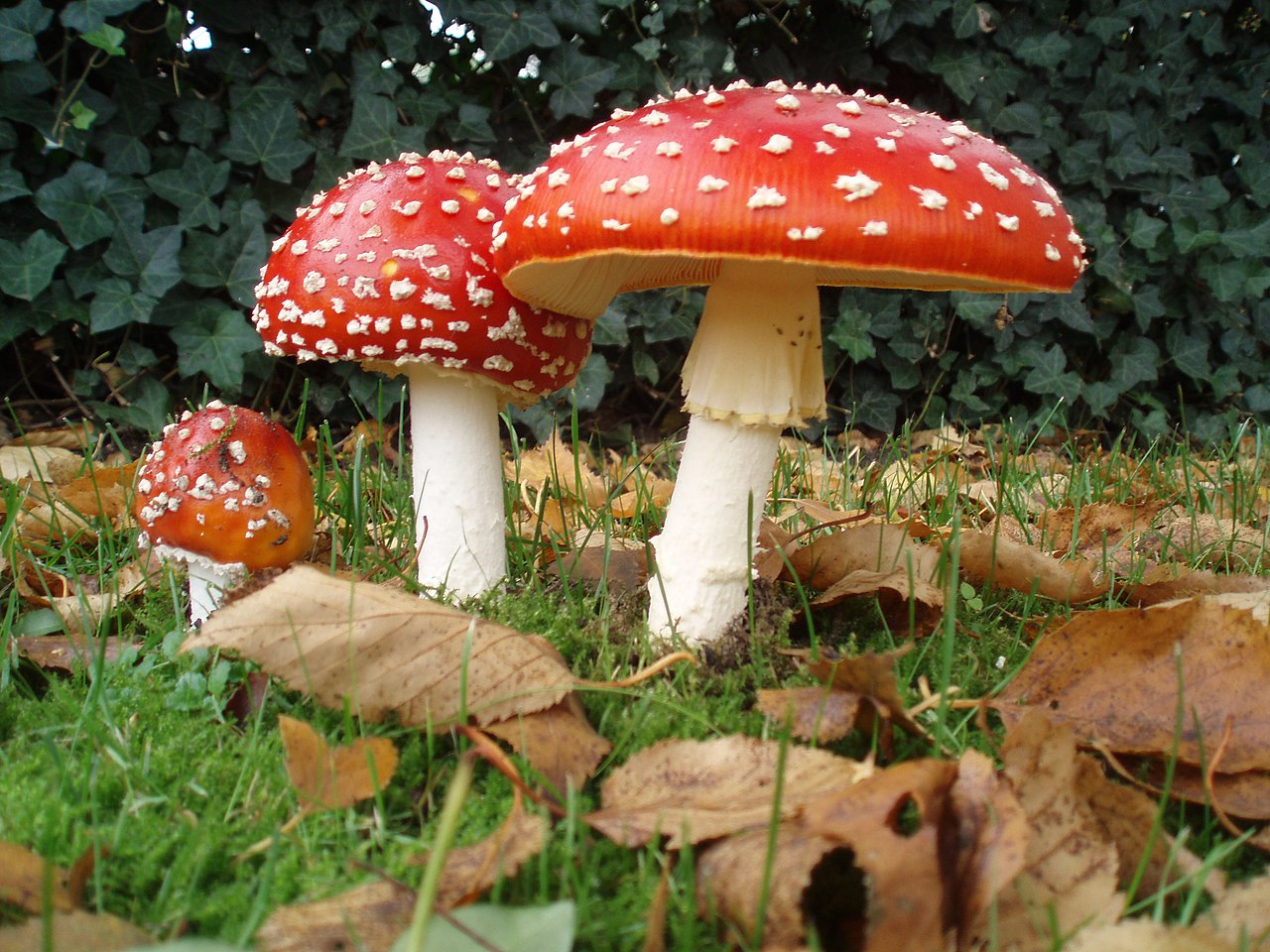
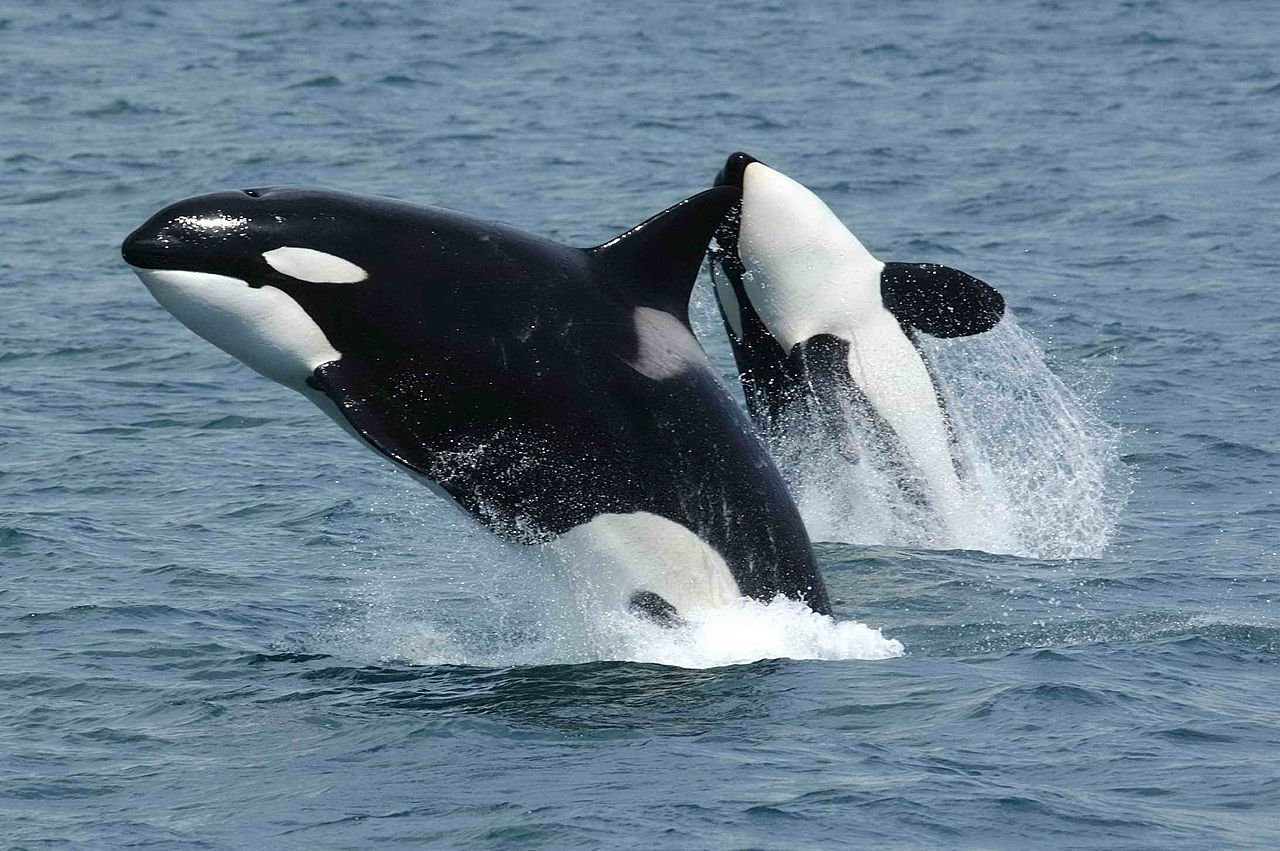
Characteristics and criteria
Cosmopolitan taxa tend to share several traits: broad ecological tolerance (generalists), high dispersal potential, flexible diets or life cycles, and often rapid reproduction. The label can apply at different taxonomic levels — species, genus, family — and depends on the spatial and ecological scale used by researchers.
Mechanisms enabling wide ranges
Natural processes such as wind, ocean currents, and migratory movements spread organisms across vast areas. Human activities — transport, trade, agriculture, and habitat modification — have greatly increased the number and speed of long-distance dispersal events, turning some formerly regional species into global ones.
Examples and groups often described as cosmopolitan
Common examples include many microorganisms, some insects and birds that thrive in human-altered environments, and a number of marine planktonic species that inhabit most of the world's oceans. Domesticated and commensal species (rats, pigeons, certain crop pests) are frequently cosmopolitan because of close association with humans.
Significance and uses
Recognizing cosmopolitan distribution helps ecologists and conservationists prioritize monitoring, understand invasive potential, and study global biogeographic patterns. Cosmopolitan status does not imply ecological invulnerability; widespread species can still decline or be extirpated locally.
Distinctions and caveats
- Cosmopolitan vs endemic: endemic taxa are restricted to particular areas and contrast with cosmopolitan ones.
- Native vs introduced: some cosmopolitan species are native across broad ranges, while others became global through human introduction.
- Scale matters: what is cosmopolitan at one taxonomic or geographic scale may not be at another.
Related articles
Author
AlegsaOnline.com Cosmopolitan distribution Leandro Alegsa
URL: https://en.alegsaonline.com/art/23314