
Copper wire and cable: properties, construction, history and uses
Overview of copper wire and cable: definitions, materials, construction types, electrical properties, manufacturing, applications, safety, comparisons with other conductors, and recycling considerations.
Overview
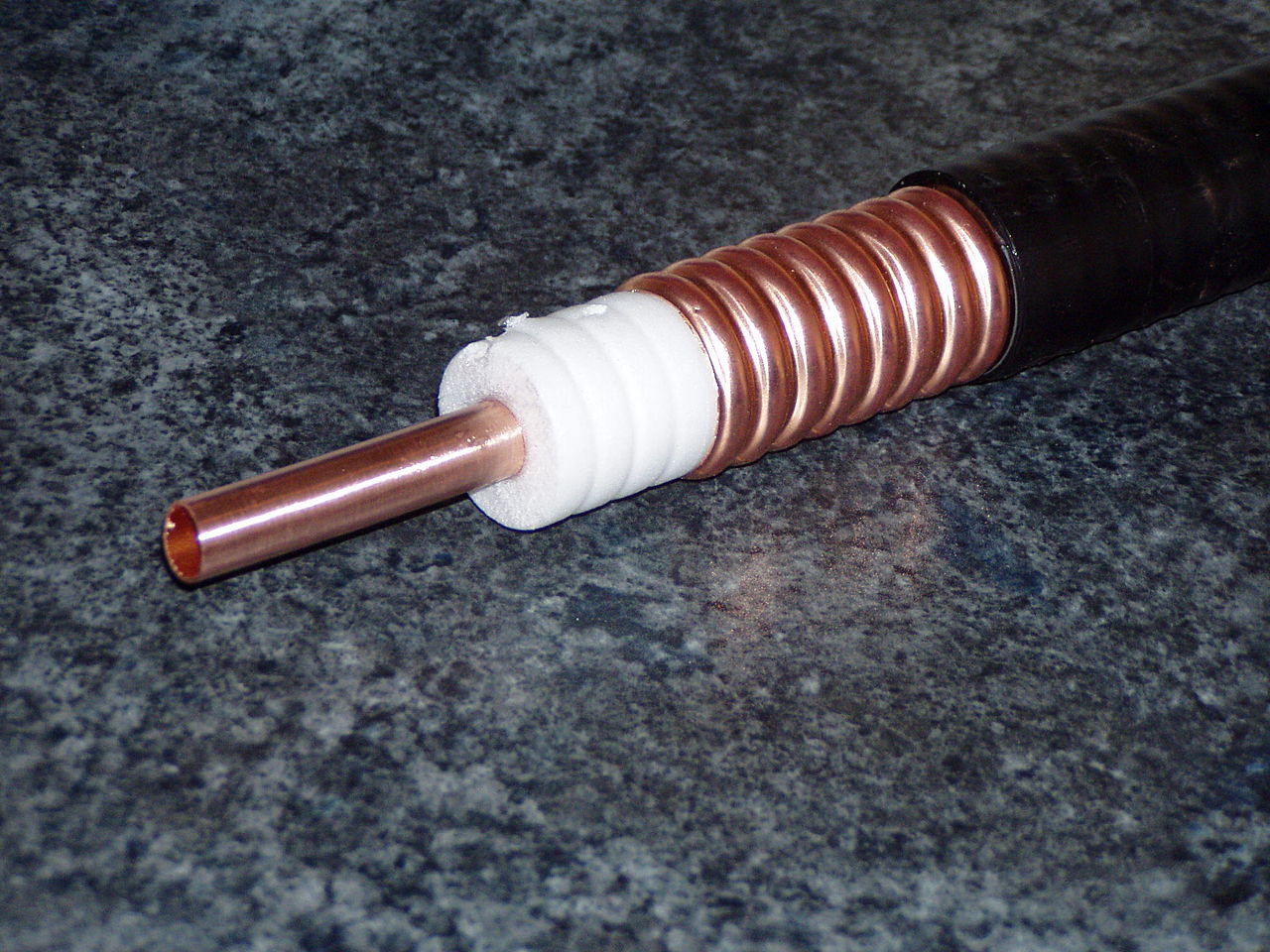
A conductor made principally of copper is called copper wire when it is a single electrical element; it may be insulated for protection or left bare for grounding. Two or more copper wires gathered inside a single sheath form a copper cable. The terms copper wire and cable cover a wide family of products from single solid building wires to multi-core industrial and communications cables designed for specific electrical, mechanical and environmental demands.
Image gallery
10 Images




Characteristics and materials
Copper is valued for high conductivity, ductility and resistance to corrosion. Among commonly used engineering metals only silver has marginally higher conductivity, which is why copper is the standard choice for many electrical applications. Copper conductors may be bare, tinned, or plated to improve solderability or corrosion resistance. The metal’s mechanical properties make it easy to draw into fine wire and to form reliable terminations.
Electrical properties
Copper’s relatively low resistance permits efficient current flow and lowers energy losses in conductors. It exhibits a positive temperature coefficient of resistance, so conductor resistance increases modestly with temperature. At higher frequencies, alternating current tends to concentrate near the surface of the conductor (skin effect), which influences the design of stranded and special litz constructions where reduced high-frequency losses are required.
Construction types
Conductors are made as solid rods or as stranded assemblies. Solid wire is economical and suitable for fixed installations; stranded wire, composed of many fine strands, provides flexibility for routed or movable applications. Specialized constructions include concentric stranding, bundled conductors for high current, and insulated multi-core assemblies for control and instrumentation. Where environmental exposure or mechanical wear is expected, conductors may be tinned or otherwise plated to protect against oxidation.
Insulation, shielding and jacketing
Insulation materials vary by voltage, temperature and chemical exposure. Common jacketing and insulation polymers include PVC, cross-linked polyethylene (XLPE), thermoplastic elastomers and fluoropolymers for extreme temperatures or chemical resistance. Cables may incorporate shields, drain wires and fillers to control electromagnetic interference, improve mechanical stability and meet installation requirements.
Manufacturing and standards
Production typically starts from copper billet that is hot-rolled, extruded and then drawn through dies to the desired conductor diameter; intermediate annealing restores ductility. Stranding machines form multi‑strand conductors, which are then insulated, assembled and jacketed. Industry practice follows national and international codes and standards that specify conductor sizes, insulation ratings, flame performance and testing methods. Building wiring remains a key market sector, and a substantial share of copper that is mined is used for electrical conductors.
Terminations, joints and installation
Reliable connections are essential for safe operation. Common termination methods include crimped lugs, soldered joints in electronics, and bolted or clamped connections in power systems. Careful attention to compatible materials is important: for example, joining copper to aluminium requires special procedures or transition connectors to avoid galvanic corrosion and conductor creep under load. Proper conductor sizing, insulation selection and routing follow local electrical codes and installation best practices to ensure safe current capacity and to limit fire risk.
Applications
Copper wiring and cable are used in power generation, transmission and distribution as well as in building services, telecommunications, audio and instrumentation, and internal wiring of electrical equipment. In telecommunications and data networks, twisted-pair and coaxial copper cables remain in widespread use; in electronics they provide reliable interconnects for circuits and devices, supporting fields from consumer electronics to industrial controls and electronics circuitry. Utility-scale systems and many distribution links still rely on copper conductors where mechanical strength and conductivity are priorities, including certain overhead and underground power transmission and distribution applications.
Comparisons and alternatives
Aluminium is an alternative in many large, weight-sensitive applications because it is lighter and often less costly per unit mass; however, aluminium has lower conductivity per cross-sectional area and different mechanical properties that require larger conductor sizes or special termination practices. Copper’s combination of conductivity, malleability and connection reliability makes it the preferred choice where space, efficiency and long-term joint integrity are important. Among common metals, copper stands out compared with other non-precious metals for its balance of properties.
History
Copper’s role in electrical systems dates back to early telegraph experiments and the development of electromagnets, where reliable long runs of conductor and good connections were required; the early history of telegraphy helped establish the material’s importance in communications and power distribution networks. Advances in insulation chemistry, stranding methods and manufacturing automation since the late 19th century broadened copper’s use into household wiring, telephone networks and, later, dense electronic interconnects.
Recycling and environmental considerations
Copper is highly recyclable without significant loss of its electrical properties. Recycling reduces the energy required relative to primary smelting and lessens environmental impacts from mining. End-of-life collection and proper separation of insulated cable, bare conductors and copper components are important steps in sustainable material management.
Further information
- Terminology and conductor selection: consult installation guides and standards for ampacity, derating and environmental exposure.
- Safety and installation codes are published by national and international bodies; installers should follow local regulations and certified practices.
- For historical context and technical background see resources on early telegraph systems and modern conductor specifications.
These topics link to more detailed technical literature and standards for conductor sizing, cable construction, fire performance and certification testing for specific industries and environments.
Related articles
Author
AlegsaOnline.com Copper wire and cable: properties, construction, history and uses Leandro Alegsa
URL: https://en.alegsaonline.com/art/22955