
Precious metal
Metals valued for rarity, durability, and economic importance—used in jewelry, coinage, industry and investment; includes gold, silver, platinum and other rare elements.
Overview
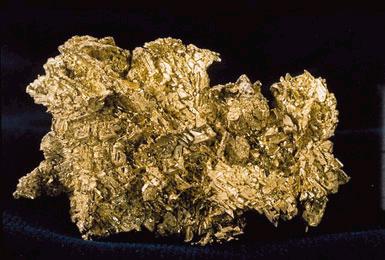
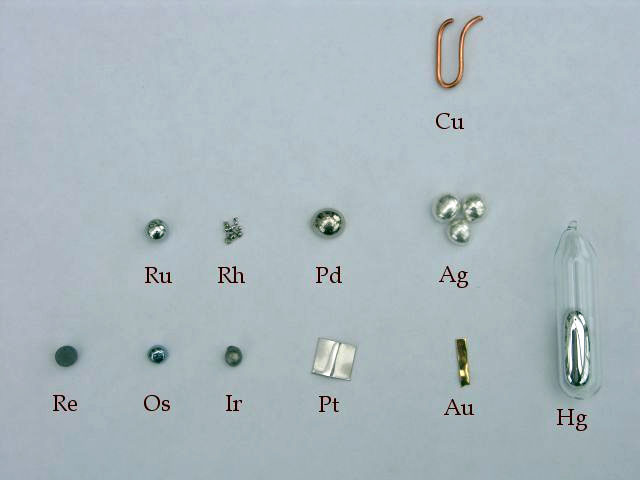
Precious metals are a group of metallic elements and alloys prized for their rarity, enduring appearance and resistance to corrosion. They have been used across cultures as a store of value, in ornamentation and for functional purposes. Common examples include gold, silver and platinum, while several rarer elements in the platinum group are also classified as precious.
Image gallery
9 Images


Key characteristics
- Lustre and appearance: Metallic shine and attractive color that withstands tarnish or oxidization better than base metals.
- Malleability and ductility: Many precious metals can be worked into thin sheets or fine wire without breaking, which makes them ideal for jewelry and plating.
- Chemical stability: Relative resistance to corrosion and most chemical reactions keeps them visually and chemically stable over long periods.
- Conductivity: Good electrical and thermal conductivity makes some precious metals valuable in electronics and industrial applications.
- Rarity: Natural scarcity in the earth’s crust contributes to their economic value.
History and development
Human use of precious metals dates back millennia. Gold and silver have been used for coinage, religious objects and personal ornamentation since antiquity. The desirability of these metals led to mining, trade networks and standards of value that influenced economies and empires. Over time, metallurgical advances enabled refining, alloying and new industrial roles for platinum-group metals discovered later.
Uses and examples
- Jewelry and decorative arts: enduring appeal and workability.
- Monetary and investment roles: bullion coins, bars and financial instruments that hedge against inflation or currency risk.
- Industrial and technological uses: catalysts (especially platinum and related metals), electrical contacts, and components in electronics and aerospace.
- Medical and dental applications: biocompatible alloys and instruments.
- Recycling and recovery: precious metals are frequently reclaimed from electronic waste and catalytic converters.
Markets, valuation and notable facts
Prices of precious metals are driven by supply, industrial demand, investment flows and geopolitical factors. Gold is often seen as a benchmark for wealth preservation, while silver combines monetary and industrial demand. Market tools include physical bullion, exchange-traded funds and futures markets. Some members of the platinum group command especially high per-mass prices; for example, the element commonly cited as the most valuable per unit mass in recent decades is rhodium, although its price is highly volatile. For comparative and historical price information see price comparisons.
Distinctions, handling and regulation
Precious metals are often certified by purity marks and hallmarks for consumer protection. Alloys are used to increase hardness or alter color (for example, mixing gold with copper or silver). Because their value can be high, they are subject to taxation, trade controls and specific recycling practices. For investors and consumers it is important to understand purity standards, assay methods and how market premiums are applied to coins and jewelry.
Further general information about individual metals and their specialized uses can be found via dedicated resources on gold, silver, platinum and other elements.
Author
AlegsaOnline.com Precious metal Leandro Alegsa
URL: https://en.alegsaonline.com/art/78680