
Electrical insulator (electricity)
An electrical insulator is a material or device that resists electric current flow. This article explains common materials, electrical properties, uses in equipment, historical development, and safety and selection considerations.
An electrical insulator is a material or component that opposes the passage of electric current and confines charge to intended conductors. In everyday language the term covers both the substance and objects made from that substance. The basic role of an insulator is to prevent unwanted current flow, reduce leakage, and protect people and equipment from shocks; for a general introduction see electrical insulation.
Image gallery
10 Images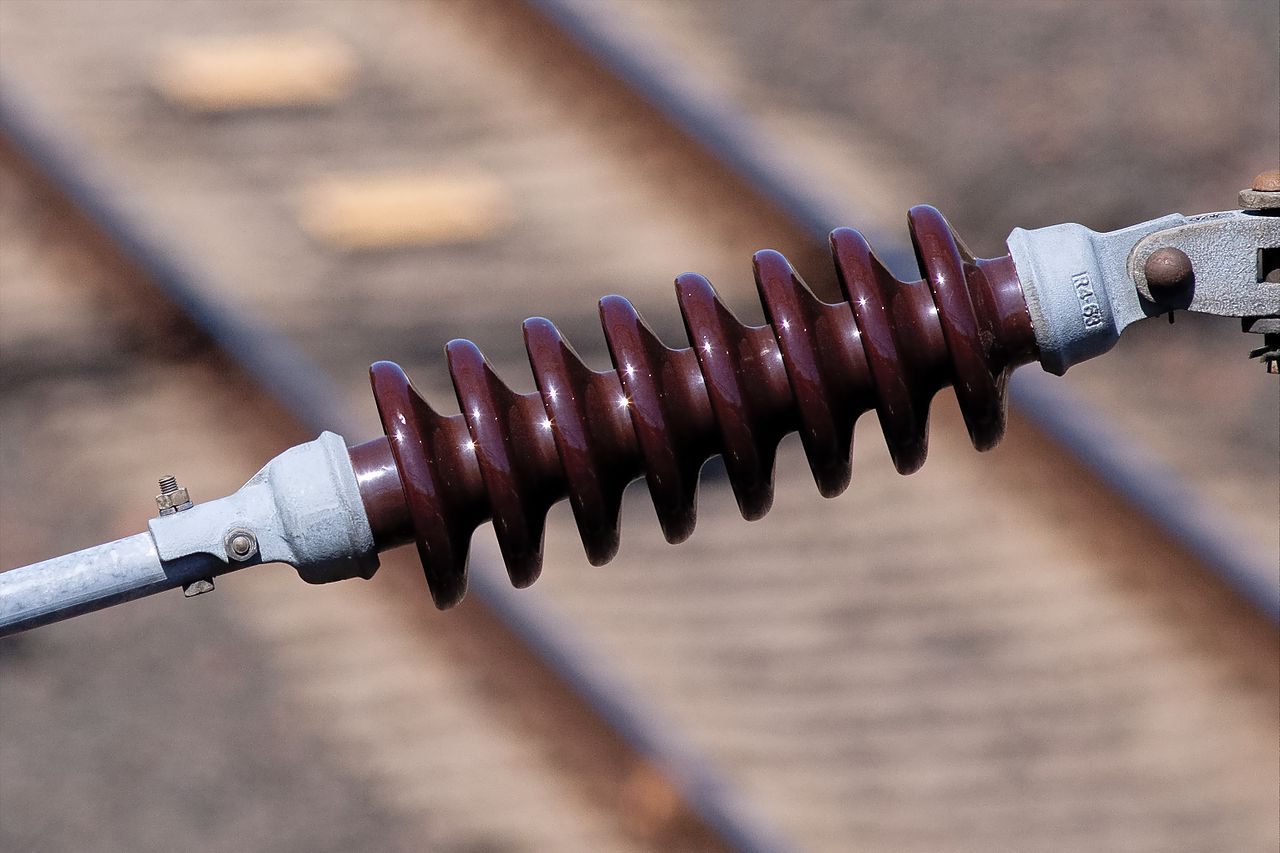




Common materials and forms
Insulating materials are chosen for very low electrical conductivity and for mechanical, thermal, or chemical suitability in the application. Typical solid insulators include rubber, plastic, glass, and silicone. Technical ceramics, porcelain, mica, and some composite polymers are widely used where higher temperature or mechanical strength is required. Liquids such as insulating oil appear inside transformers, while separators and coatings—varnishes or resins—protect windings and components.
Electrical properties and terminology
Insulators are characterized by high electrical resistivity and low conductivity; engineers often quantify performance with dielectric strength and volume resistivity. High resistivity reduces current leakage and helps concentrate current to conductors. For typical applications and definitions see electrical resistivity. Everyday insulated cables and cords use an outer covering so the conducting core stays on its intended path; insulated wires are a basic example.
Uses, examples and equipment
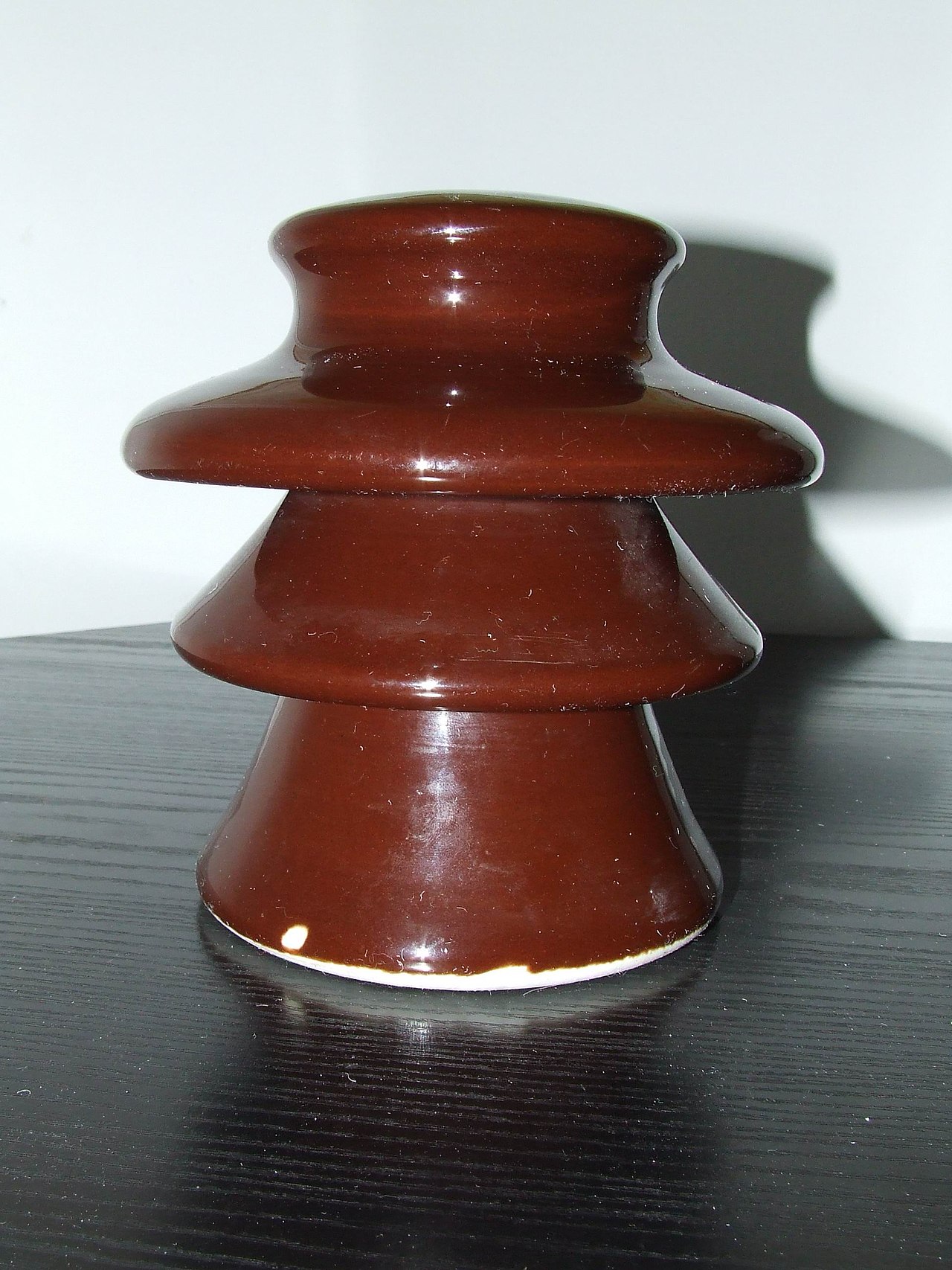
Insulators appear throughout power systems, electronics and machinery. They are used as standalone hardware (for example line pin and suspension insulators on poles) and as internal insulating media inside devices. In transformers and electric motors insulating varnishes and impregnating resins protect windings; such coatings are often described simply as varnish. In high-voltage switchgear, insulating gases and sealed chambers improve safety and performance: generic insulating gases include sulfur hexafluoride (SF6) in many older designs, used within certain switches and circuit breakers.
History and development
Early insulators were made from natural materials such as glass and wood; telegraph and early power systems used glass and porcelain insulators on poles. Over the 20th century synthetic polymers and engineered ceramics expanded options, offering better weather resistance, lighter weight, and easier manufacturing. The word insulator therefore applies both to raw materials and to the shaped hardware used in real installations.
Selection, safety and notable distinctions
Choosing an insulator depends on voltage, environment (outdoor UV, moisture, pollution), mechanical stress and temperature. Maintenance includes cleaning, replacement of degraded parts, and monitoring of insulating oils or gases where used. Some high-performance insulating gases such as SF6 are effective but have environmental and regulatory issues that influence modern design choices. Proper selection and installation are essential to reducing faults, ensuring efficiency and protecting people and property.
Related articles
Author
AlegsaOnline.com Electrical insulator (electricity) Leandro Alegsa
URL: https://en.alegsaonline.com/art/47517
Sources
- ehow.com : "What is insulator?"
- wisegeek.org : "What are electrical insulators?"
- electrical4u.com : "types of electrical insulator"
- electricalpowerenergy.com : "Types of insulators"
- home.earthlink.net : "Insulator"