
Dam (Water-retaining Structure)
A dam is an engineered barrier that impounds water to form reservoirs, supply water, produce hydroelectric power, control floods and enable irrigation. This article explains types, parts, history, uses, and impacts.
Overview
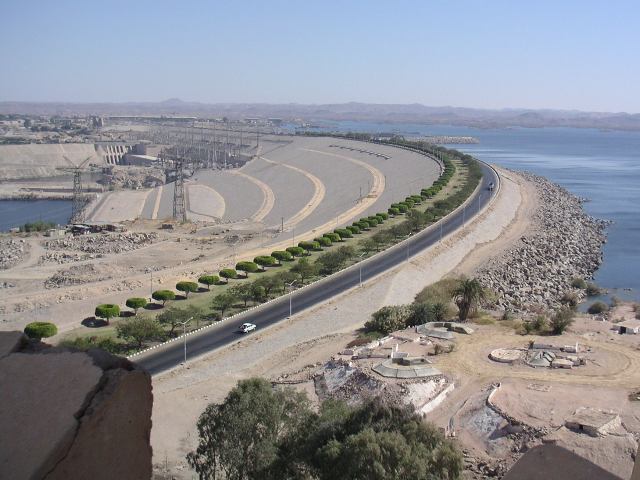
A dam is an engineered structure — essentially a wall or barrier — built across a watercourse to impede the flow of water and create a storage area such as a reservoir or artificial lake. Most dams include one or more controlled passages called a spillway or weir to release excess water safely. Dams range from small farm ponds to massive concrete or earth structures; among the world's tallest is the Nurek Dam, which is often cited at about 300 metres in height Nurek Dam.
Image gallery
10 Images




Common types and characteristics
Dams are classified by design and materials. Typical categories include concrete gravity and arch dams, embankment dams made of earth or rockfill, and composite or buttress designs. Key characteristics are height, crest length, storage capacity, and the presence of spillways, outlet works and intake structures. Choice of type depends on geology, valley shape, availability of materials and intended function.
- Gravity dams use their own weight to resist water pressure.
- Arch dams transfer loads into the abutments and suit narrow canyons.
- Embankment dams are built from compacted earth or rock and are common where suitable fill is available.
Components and operation
Major components include the impermeable core or concrete body, foundation treatments to prevent seepage, spillways to pass floods, outlet valves and conduits for controlled releases, and power intakes connected to turbines when used for hydroelectric generation. Monitoring systems measure seepage, movement and seismic response. Maintenance, sediment management and periodic safety reviews are essential for long-term performance.
History and development
Human societies have built dams for millennia to store water for irrigation and domestic use; ancient examples exist in the Near East and Mediterranean. Engineering advances in the 19th and 20th centuries — improved concrete, earthmoving equipment and hydropower technology — enabled construction of much larger multipurpose dams, supporting urban water supply, large-scale irrigation and electricity production.
Uses, benefits and impacts
Dams provide water supply, enable irrigation, generate renewable electricity, reduce flood risk and create recreational resources. However, they also alter river ecosystems, change sediment transport, affect fish migrations, and can require resettlement of communities. Environmental assessments, fish passages, sediment management and stakeholder engagement are commonly used to reduce adverse effects.
Safety, governance and notable facts
Dam safety relies on sound design, quality construction, regular inspection and emergency preparedness. Low-probability events such as extreme floods or earthquakes are important design considerations. While a dam can deliver significant societal benefits, responsible planning balances technical, environmental and social dimensions.
For further reading on structural types, construction techniques and case studies, consult specialist texts and institutional guidelines. Links in this article point to additional resources using the placeholders above: structure definition, hydrology, reservoir management, lakes and reservoirs, spillway design, Nurek Dam reference.
Questions and answers
Q: What is a dam?
A: A dam is a wall or barrier that blocks or stops flowing water, forming a reservoir or lake.
Q: What is the purpose of most dams?
A: The primary purpose of most dams is to retain large amounts of water.
Q: What is a spillway or weir?
A: A spillway or weir is a section of a dam where water flows over or through it.
Q: Why do most dams have a spillway or weir?
A: Most dams have spillways or weirs to help control water levels and prevent potential flooding.
Q: Where is the tallest dam in the world located?
A: The tallest dam in the world is the Nurek Dam in Tajikistan, which measures 300 meters in height.
Q: What is the function of a reservoir?
A: A reservoir is a large body of water created by a dam and used to store water for various purposes such as irrigation, hydroelectric power generation, and domestic use.
Q: Are dams effective in retaining water?
A: Yes, dams are very effective in retaining large amounts of water.
Related articles
Author
AlegsaOnline.com Dam (Water-retaining Structure) Leandro Alegsa
URL: https://en.alegsaonline.com/art/25247
Sources
- commons.wikimedia.org : Dam
- bartleby.com : The American Heritage Dictionary of the English Language, Fourth Edition