
Cutter (boat): sailing craft, ship's boat, and official small craft
A cutter is a small-to-medium boat or sailing craft designed for speed and flexibility. This article explains traditional sailing cutters, ship's cutters, and modern official cutters, their design, history, and common uses.
A cutter is a versatile small-to-medium watercraft whose meaning depends on context. In traditional sail terminology a cutter is a single-masted, fore-and-aft rigged vessel set up for speed and windward performance. In naval and civil maritime practice the word also names small boats carried by larger ships to ferry people and stores; and it describes government vessels used to exercise law, rescue, and pilotage duties. The same term therefore covers three related categories: the classic sailing cutter, the ship's cutter (ship's boat), and the modern official cutter used by coastguards, pilot services, and border agencies.
Image gallery
10 Images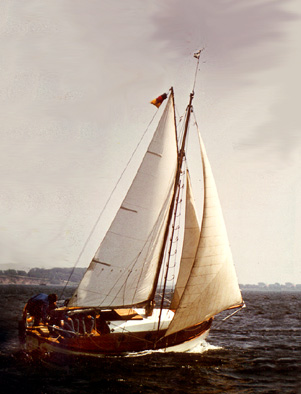


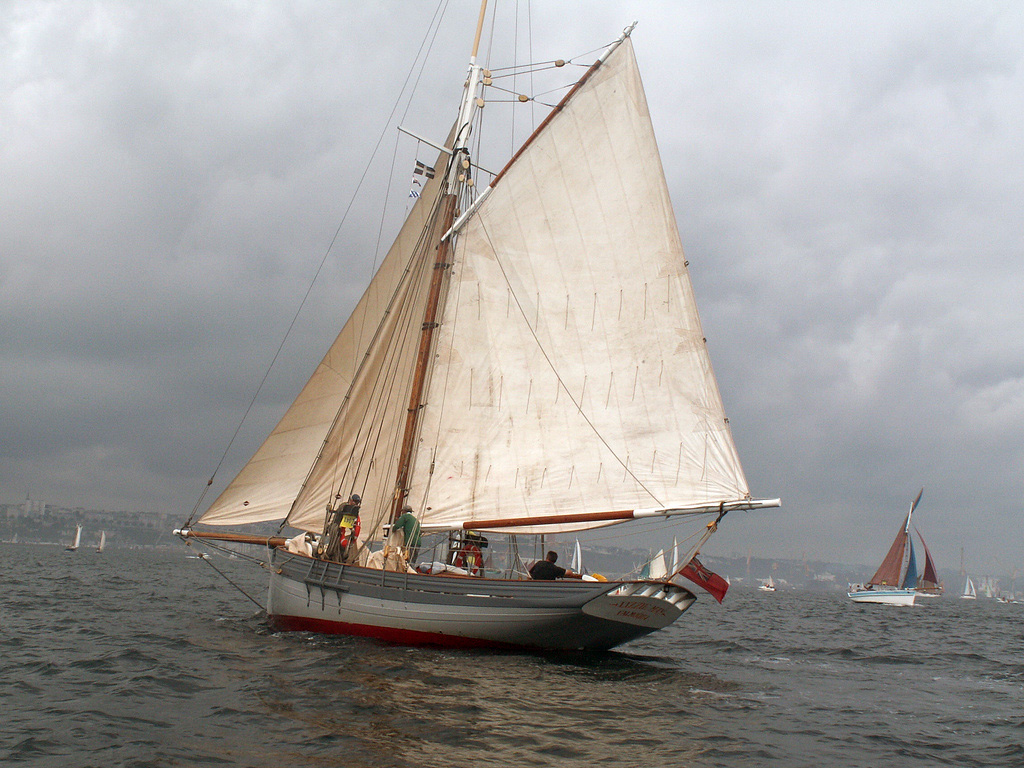

Traditional sailing cutter: design and characteristics
Historically a sailing cutter is distinguished by a single mast stepped relatively far aft, a deep foretriangle, and multiple headsails such as a jib and staysail. A bowsprit is often fitted to increase the sail plan forward and to carry additional sail area. Compared with a sloop, a cutter typically carries more than one headsail which gives flexibility in varying wind conditions and helps balance the helm. Cutters were valued for their speed, ability to point into the wind, and manageable sail handling, making them popular as coastal cruisers, small patrol vessels, and private yachts.
Ship's cutter: utility boat and shipboard role
The term cutter also denotes a sturdy ship's boat used to transport crew and supplies between a larger vessel and shore. These cutters are usually open or partially covered, and they can be propelled by oars, sail, or an engine. Their design emphasizes seaworthiness and capacity to carry several people and light cargo safely through surf and alongside larger hulls. Working cutters have been a routine part of merchant and naval fleets for transferring pilots, carrying provisions, and performing boarding and landing tasks.
Official cutters: coastguard and pilot vessels
In modern usage many maritime services call their small-to-medium patrol and response vessels "cutters." Coastguard organizations, border forces, and harbor pilot services operate boats labeled cutters to perform law enforcement, search and rescue, and pilotage work. These craft range from rigid-hulled inflatable boats to steel-hulled patrol vessels; what unites them is a role focused on speed, endurance, and the authority of their crew rather than on cargo capacity. Examples of agencies that operate cutters include pilot services and national coastguard services, each using craft tailored to local waters.
History and development
The cutter form evolved from practical needs: small, fast craft able to carry messages, pilots, or customs officers and to operate in coastal waters. Over time sail plans and hull forms diversified as builders adapted cutters for racing, fishing, smuggling, customs enforcement, and pleasure sailing. In the 19th and 20th centuries the name broadened to include a range of powered patrol craft; the historic rig survives in enthusiast and cruising communities where classic cutter characteristics remain prized.
Variations, operations, and notable distinctions
- Sailing cutter: single mast with two or more headsails and often a bowsprit; prized for balance and sail-plan versatility. Source on rig
- Ship's cutter: small boat carried by a larger ship for transport and work alongside the vessel. Ship's boat
- Official cutter: government or commercial craft used for patrol, rescue or pilotage duties. Coastguard example
Further reading and resources cover rigging diagrams, historical accounts, and contemporary operational descriptions: see materials on sailing rigs and small craft handling, pilotage procedures, and coastguard vessel classes. For practical advice on sail handling and maintenance consult specialist guides and official service manuals. Mast placement rig types sloop comparison modern definitions ferrying duties cargo transfer shore transfers oared cutters sail or motor propulsion oared examples rig details
Questions and answers
Q: What is a cutter?
A: A cutter is a small, and sometimes medium-sized, watercraft designed for speed rather than capacity.
Q: How is a traditional cutter rigged?
A: A traditional cutter is fore-and-aft rigged with two or more headsails and often has a bowsprit.
Q: Where might one find a modern-day cutter?
A: Modern-day cutters can be found in official capacities such as harbor pilots' cutters and cutters of the U.S. Coast Guard or UK Border Force.
Q: Is a cutter always a sailing vessel?
A: No, a cutter can be a small boat serving a larger one to ferry passengers or light cargo between larger ships and the shore and may be powered by oars, sails or a motor.
Q: What distinguishes a cutter from a sloop?
A: The cutter's mast may be set farther back than on a sloop.
Q: What is the purpose of a cutter?
A: The purpose of a cutter is typically for speed rather than for capacity.
Q: Is a cutter primarily used for transporting cargo?
A: No, a cutter is not primarily used for transporting cargo, but rather for speed and official authority.
Related articles
Author
AlegsaOnline.com Cutter (boat): sailing craft, ship's boat, and official small craft Leandro Alegsa
URL: https://en.alegsaonline.com/art/24806
Sources
- books.google.com : Sailing Rigs: An Illustrated Guide
- britannica.com : "Cutter"
- jordanyachts.com : "Sailboat Rig Types: Sloop, Cutter, Ketch, Yawl, Schooner, Cat"
- uscg.mil : "U.S. Coast Guard History: Frequently Asked Questions: What is a Cutter?"