
Coordination complex
A coordination complex is a central atom or ion (often a transition metal) bound to surrounding ligands by coordinate bonds; central to catalysis, materials, bioinorganic chemistry and medicine.
Overview
A coordination complex is a chemical assembly in which a central atom or ion is surrounded by one or more bound molecules or ions. In modern chemistry this topic is treated within inorganic chemistry. The central species, often a metal, provides empty or partially filled orbitals that accept electron density from attached species; this central species is sometimes called the central atom or ion.
Image gallery
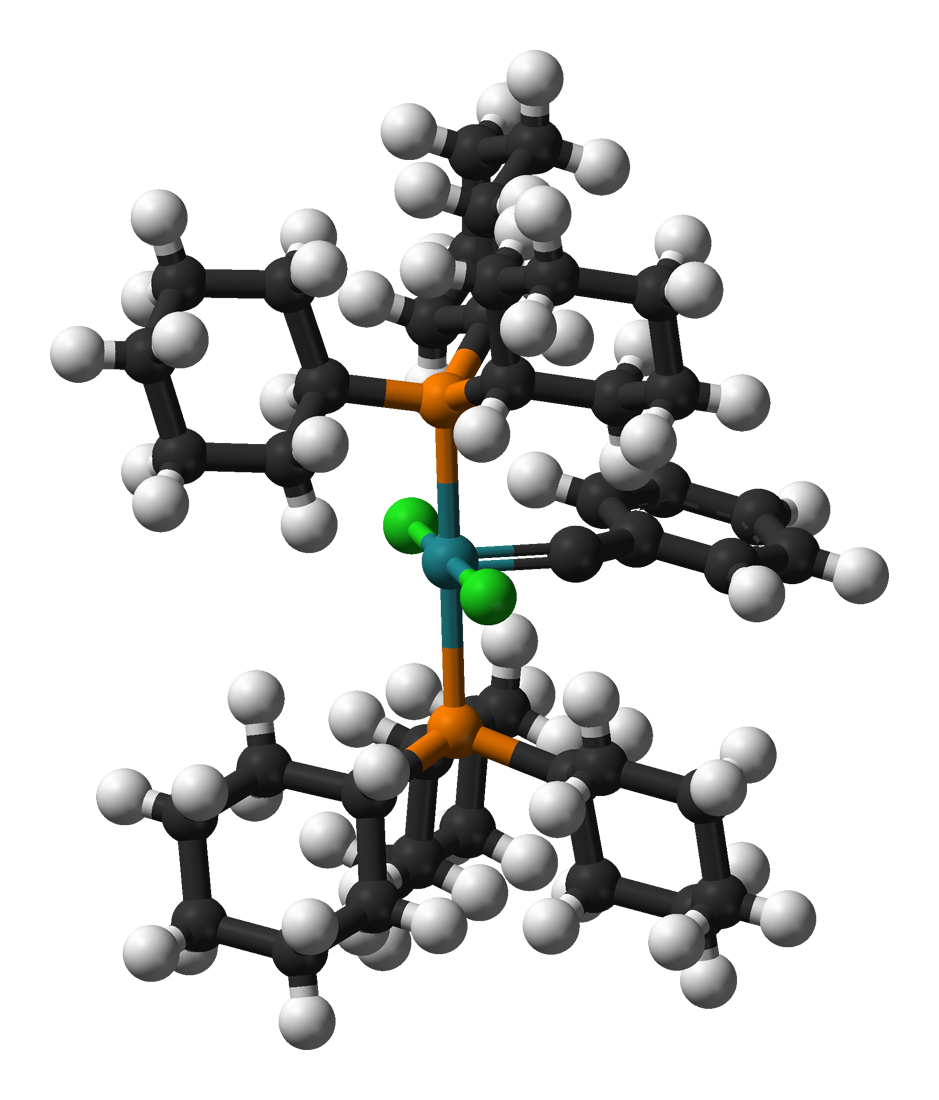
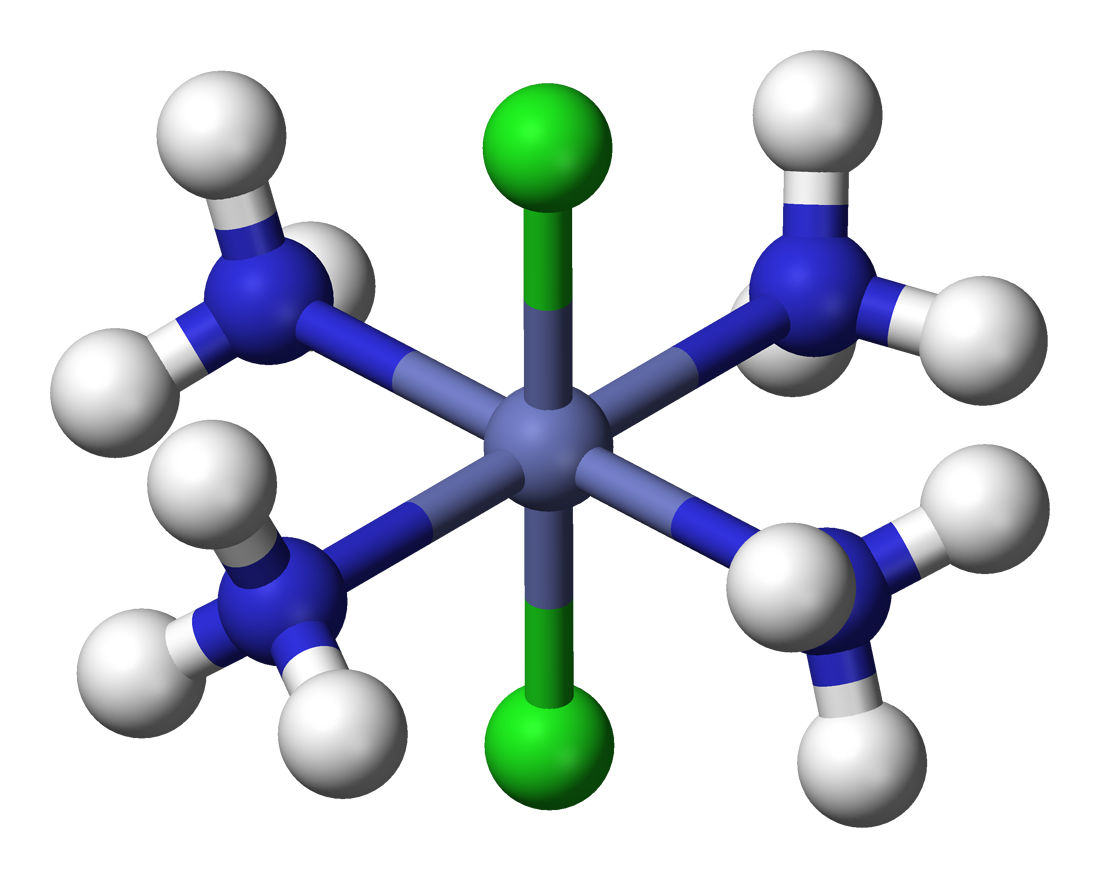
10 Images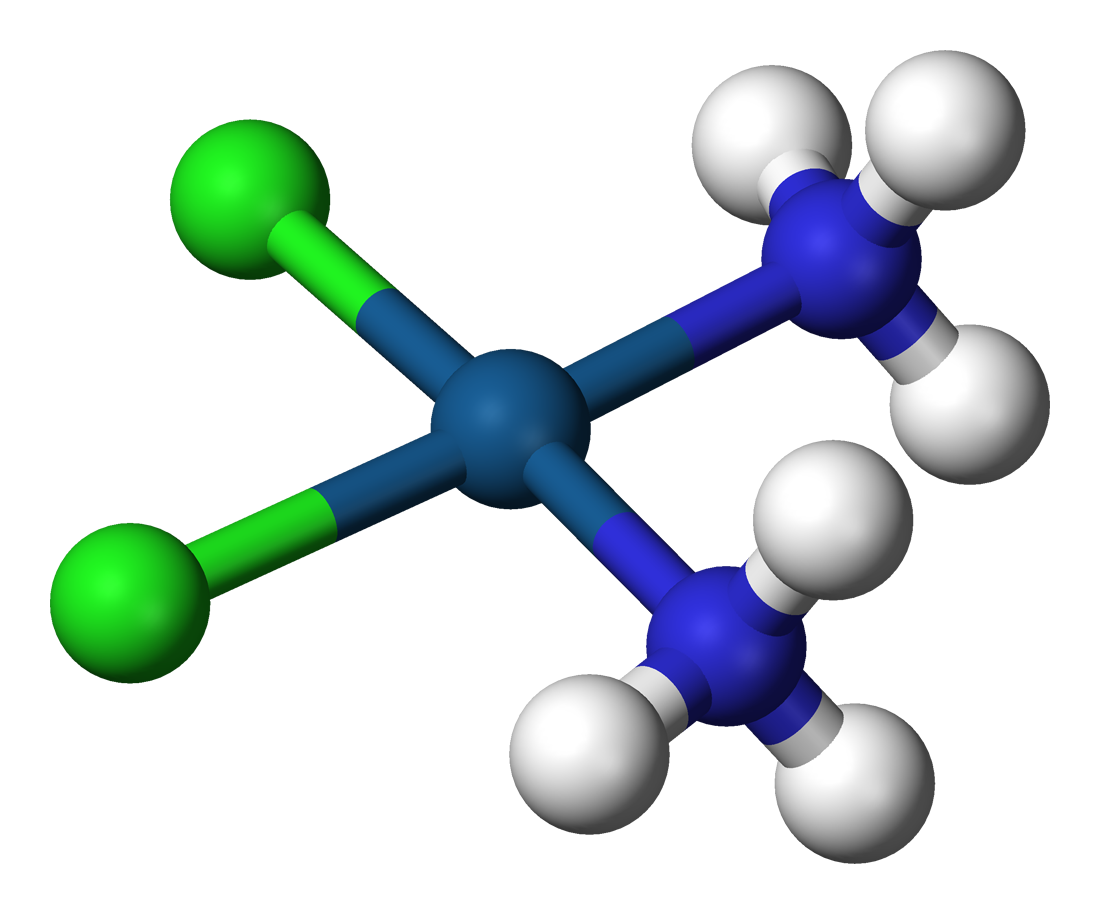



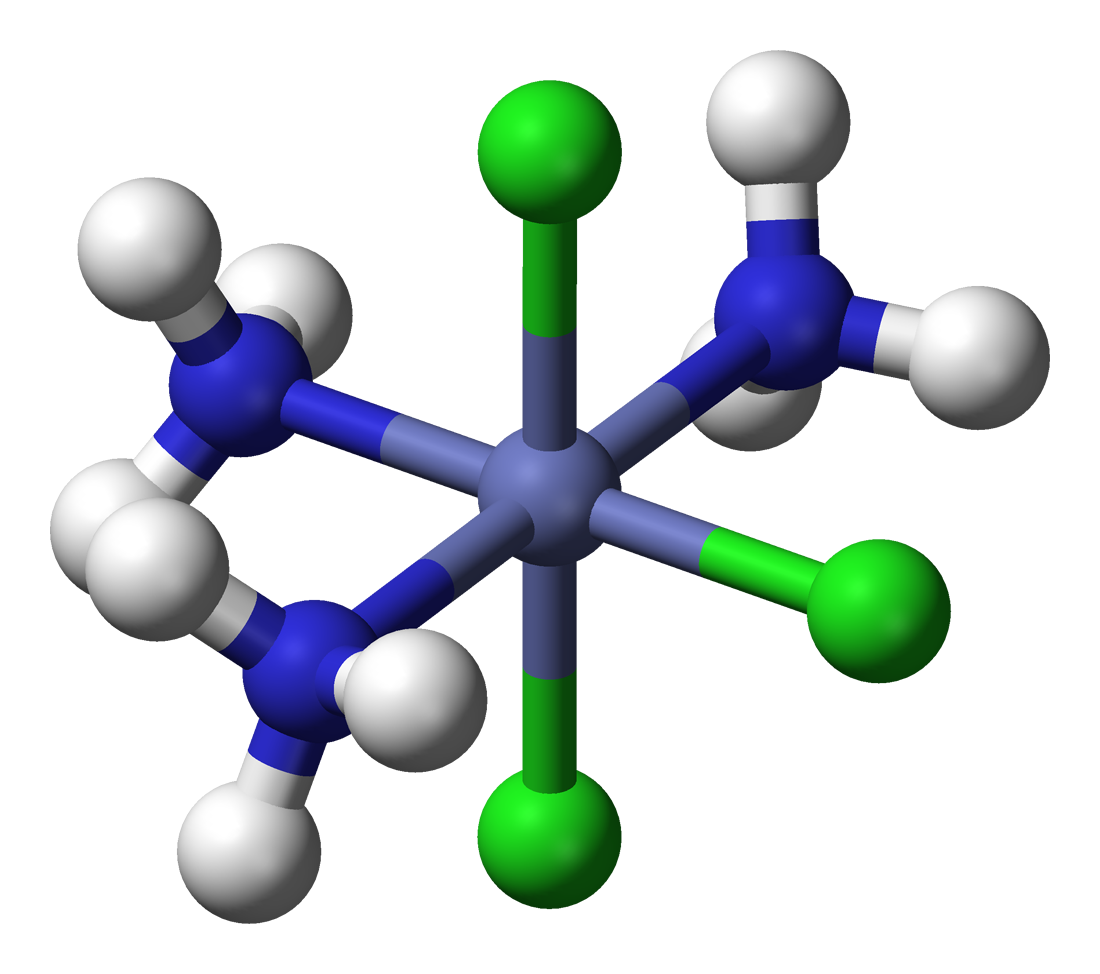


Structure and bonding
Ligands donate electron density to the central atom to form coordinate (dative) bonds. Ligands may be neutral molecules or anions and they can bind through a single donor atom or through multiple donor sites (chelation). The ability of the central atom to accept electrons depends on its electron shell configuration and available orbitals. Typical ligand donors possess a lone pair of electrons that is shared with the metal to form the bond; such donors are known collectively as ligands.
Geometry and coordination number
The number of ligand donor atoms attached to the central atom is called the coordination number; common values are influenced by the size and electronic needs of the central species. Geometries adopted by complexes include:
- Linear and bent arrangements
- Square planar and tetrahedral geometries
- Octahedral and trigonal prismatic shapes
Ligands may be simple molecules such as water or ammonia, small anions, or larger organic chelators that enforce particular shapes and stabilities.
Theories and historical context
Foundational descriptions of coordination complexes grew from late 19th- and early 20th-century work establishing that metal salts form distinct bonded entities with ligands. Theoretical models used today include valence-bond ideas, crystal-field and ligand-field treatments, and molecular orbital approaches; each emphasizes different aspects of bonding and spectroscopic behavior.
Examples and applications
Coordination complexes appear across chemistry and biology: metal centers in enzymes and oxygen carriers, anticancer drugs, homogeneous catalysts that enable selective transformations, and components of functional materials. Understanding how ligand type, denticity and geometry affect reactivity is central to designing complexes for catalysis, sensing, and medicine.
Related articles
Author
AlegsaOnline.com Coordination complex Leandro Alegsa
URL: https://en.alegsaonline.com/art/22914