
Copper(I) bromide (cuprous bromide)
Copper(I) bromide (CuBr) is an inorganic compound of copper in the +1 oxidation state. It is a sparingly soluble, often pale solid used as a source of Cu(I) in synthesis and as a specialty reagent.
Copper(I) bromide, commonly called cuprous bromide and written CuBr, is an inorganic halide in which copper occurs in the +1 oxidation state. It is an established laboratory reagent and intermediate in the production of other copper compounds. For general reference on fundamental data see CuBr overview.
Image gallery
3 Images

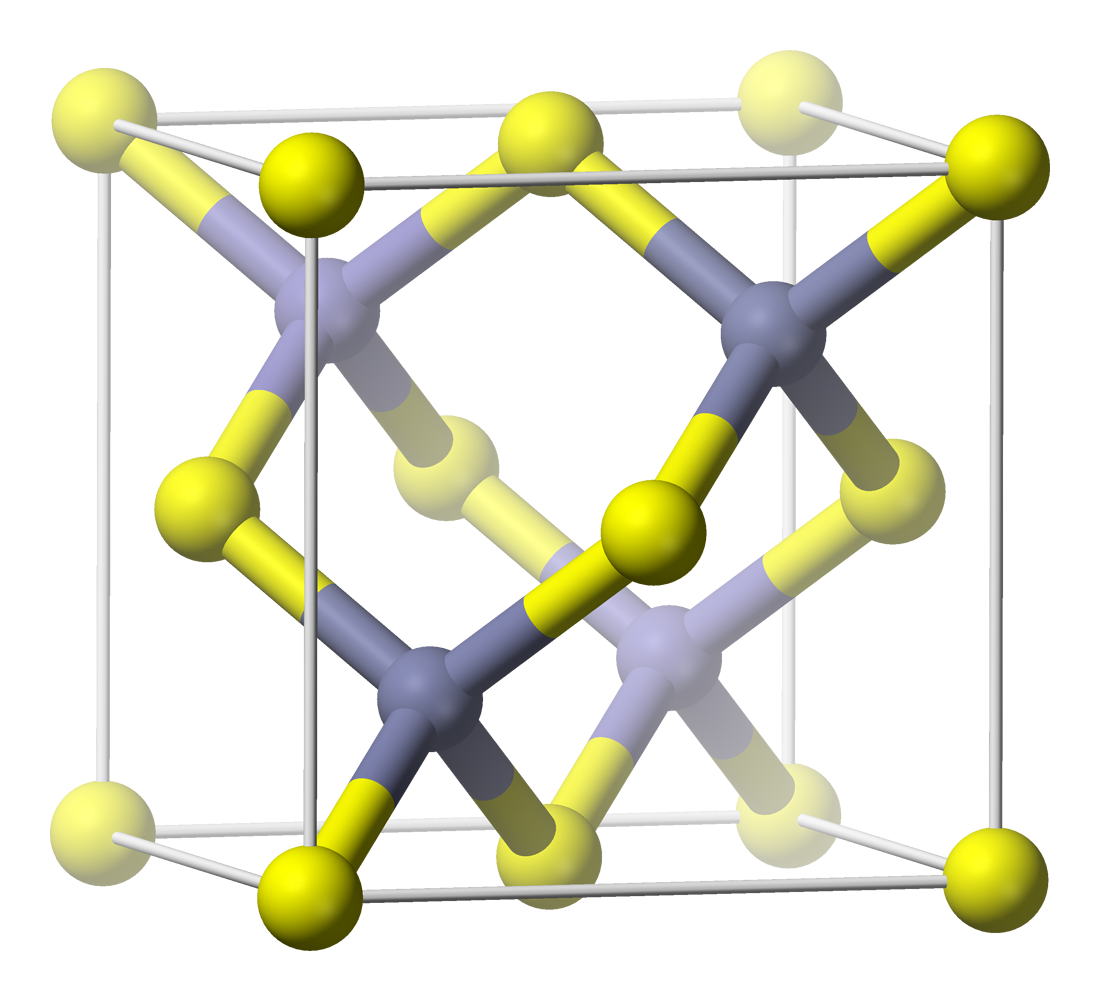
Composition and structure
CuBr consists of copper cations and bromide anions with the formula CuBr. In the solid state it adopts a tetrahedrally coordinated lattice related to the zinc blende (sphalerite) motif, giving each copper atom a fourfold coordination by bromine. This structural arrangement is typical of many copper(I) halides. For compositional details consult chemical databases.
Properties
- Appearance: typically a white to pale or slightly colored crystalline solid.
- Solubility: sparingly soluble in water; solubility behavior differs from copper(II) salts.
- Chemistry: Cu(I) is prone to oxidation and to disproportionation in aqueous media.
Because Cu(I) is less stable than Cu(II) under many conditions, CuBr can oxidize to copper(II) bromide or be reduced to metallic copper. Its relative insolubility and redox behavior influence storage and handling. More technical notes are available at reference sources.
Preparation and reactions
Copper(I) bromide can be prepared by controlled reduction of copper(II) bromide, by combination of elemental copper and bromine under appropriate conditions, or by precipitation from solutions that contain Cu(I). It is used as a source of Cu(I) in preparative chemistry and participates in halogen-transfer, coupling, and catalytic processes. Its reactivity is influenced by ligands and solvents that stabilize the Cu(I) center; see synthetic methods for examples.
In applied chemistry CuBr appears in organometallic and organic synthesis as a catalyst or reagent and in specialty materials research. It is distinct from copper(II) bromide (CuBr2), which is more water-soluble and shows different colors and reactivity. For safety, handling and disposal guidance consult materials provided by chemical suppliers or safety databases such as safety resources.
Related articles
Author
AlegsaOnline.com Copper(I) bromide (cuprous bromide) Leandro Alegsa
URL: https://en.alegsaonline.com/art/22961