
Inorganic chemistry: principles, scope, history and applications
Survey of inorganic chemistry: definition, major areas, historical development, applications in materials and catalysis, distinctions from organic chemistry, and modern interdisciplinary directions.
Overview
Inorganic chemistry is the branch of chemistry concerned with the properties and behavior of elements and the compounds they form. While often contrasted with organic chemistry, which focuses on carbon-based molecules, inorganic chemistry covers a broad array of substances including metals, minerals, salts, ceramics and gaseous elements. For a concise starting point see this field summary.
Image gallery
10 Images



Scope and key concepts
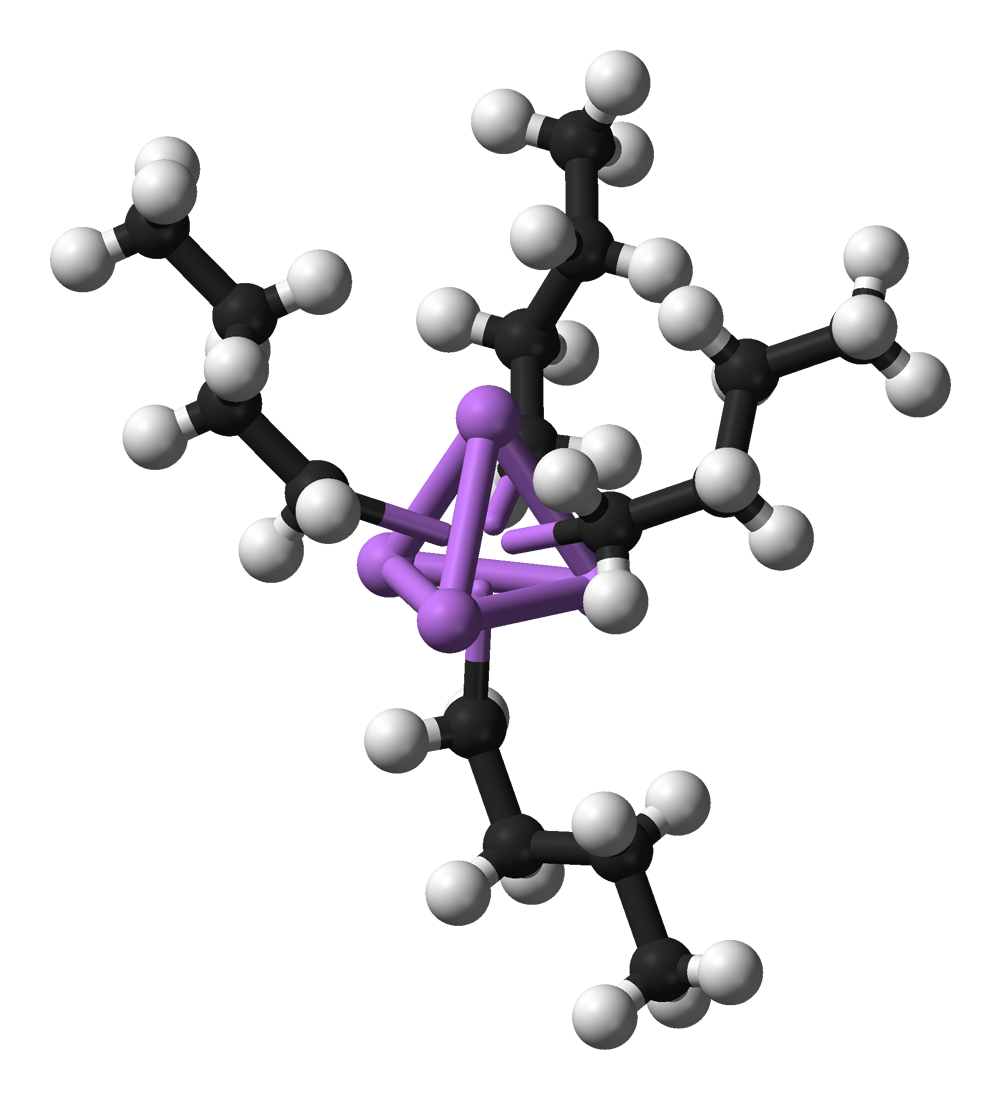
The subject examines the chemistry of the elements across the periodic table and the wide variety of inorganic compounds they form. Central themes include coordination chemistry (how metals bind ligands), solid-state chemistry (structures and defects in crystalline materials), acid–base and redox reactions, and crystallography. Although carbon plays a dominant role in organic chemistry, many compounds that contain carbon are treated in inorganic chemistry when they form metal–carbon bonds or inorganic frameworks.
History and development
The discipline grew from early practices such as metallurgy and dye-making and evolved through alchemy into systematic modern science. Key advances included classification of elements, the development of atomic theory and the formulation of coordination theory for metal complexes. Twentieth-century progress in techniques like X-ray diffraction and spectroscopy greatly expanded understanding of inorganic structures and bonding.
Applications and importance
Inorganic chemistry underpins many technologies and industries. Typical applications include:
- Catalysis: transition-metal catalysts drive many industrial and laboratory reactions.
- Materials: semiconductors, superconductors, ceramics and pigments are inorganic in composition.
- Energy and environment: battery electrodes, fuel-cell catalysts and photocatalysts for solar energy conversion.
- Agriculture and medicine: mineral fertilizers, contrast agents and metal-containing drugs.
Distinctions, overlaps and contemporary directions
Boundaries between inorganic and organic chemistry are fluid: organometallic chemistry and bioinorganic chemistry bridge the two areas by studying compounds that combine metal centers with organic ligands or biological molecules. Modern inorganic chemistry is increasingly interdisciplinary, contributing to nanoscience, materials engineering and sustainable technologies through design of functional inorganic frameworks, catalysts and electronic materials.
Further reading
Introductory texts and reviews provide accessible summaries and entry points into specialized topics; for targeted information explore institutional resources and reviews using the links above: field overview, elemental data via elements, compound classifications at inorganic compounds, contrasts with organic chemistry, and discussions of carbon's role at carbon.
Related articles
Author
AlegsaOnline.com Inorganic chemistry: principles, scope, history and applications Leandro Alegsa
URL: https://en.alegsaonline.com/art/47421