
Coordination geometry in chemistry: shapes and factors affecting complexes
Coordination geometry describes how ligands or atoms are arranged around a central atom in a complex. It explains common shapes, factors that determine geometry, historical background, and practical importance.
Overview
Coordination geometry refers to the spatial arrangement of ligands, atoms or groups bound to a central atom in a coordination complex or molecule. It is a core idea in inorganic chemistry used to describe the three‑dimensional shape formed by bonds to the central atom and helps explain physical properties, reactivity and spectroscopy. The concept applies across transition‑metal complexes and main‑group compounds, and connects to ideas such as coordination number and ligand identity.
Image gallery
10 Images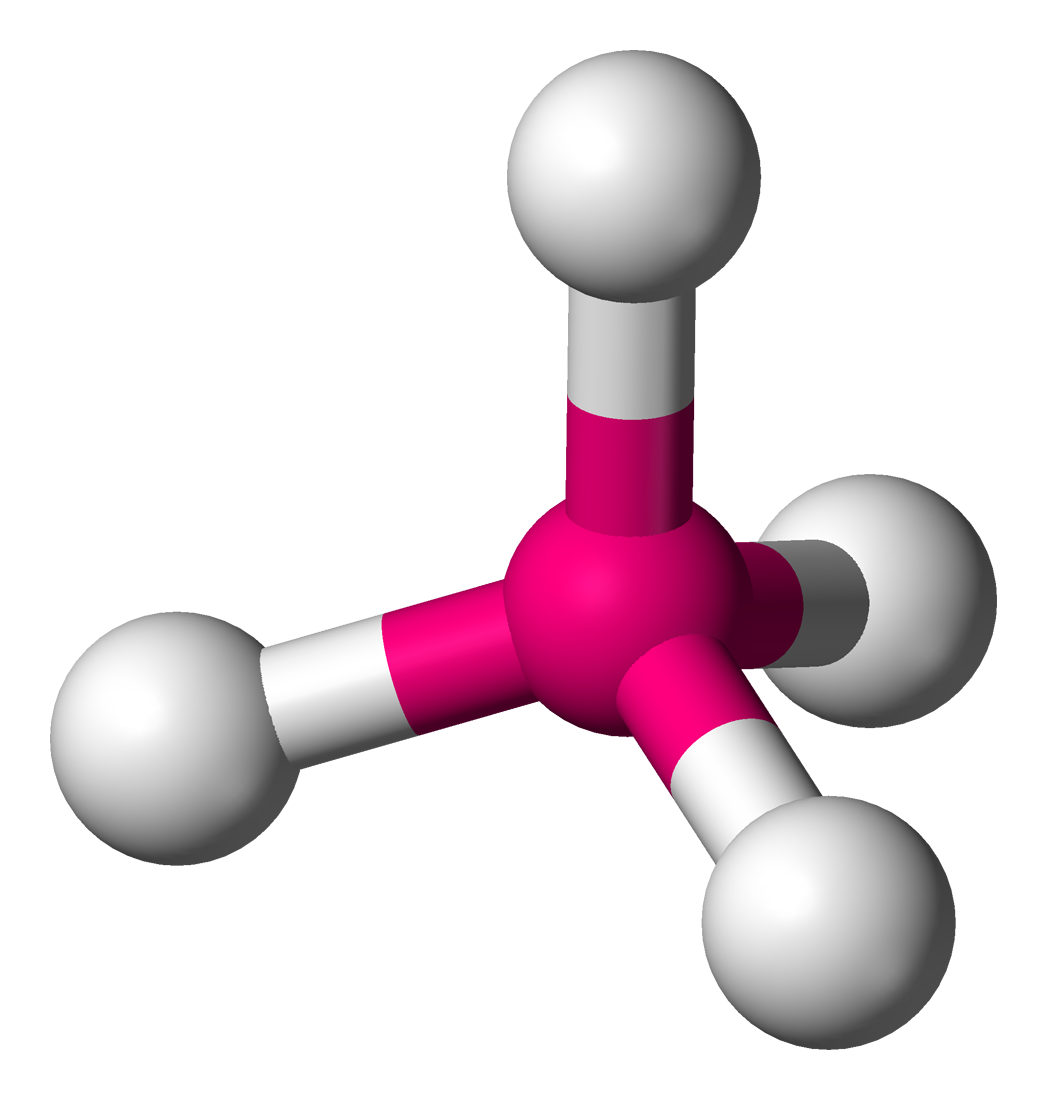




Common geometries
Many recurring arrangements are named by their symmetry and coordination number. Typical examples include:
- Linear (coordination number 2): two ligands opposite each other.
- Trigonal planar (3): three ligands in a flat triangle.
- Tetrahedral (4): four ligands at the corners of a tetrahedron.
- Square planar (4): common for d8 metal centers in one plane.
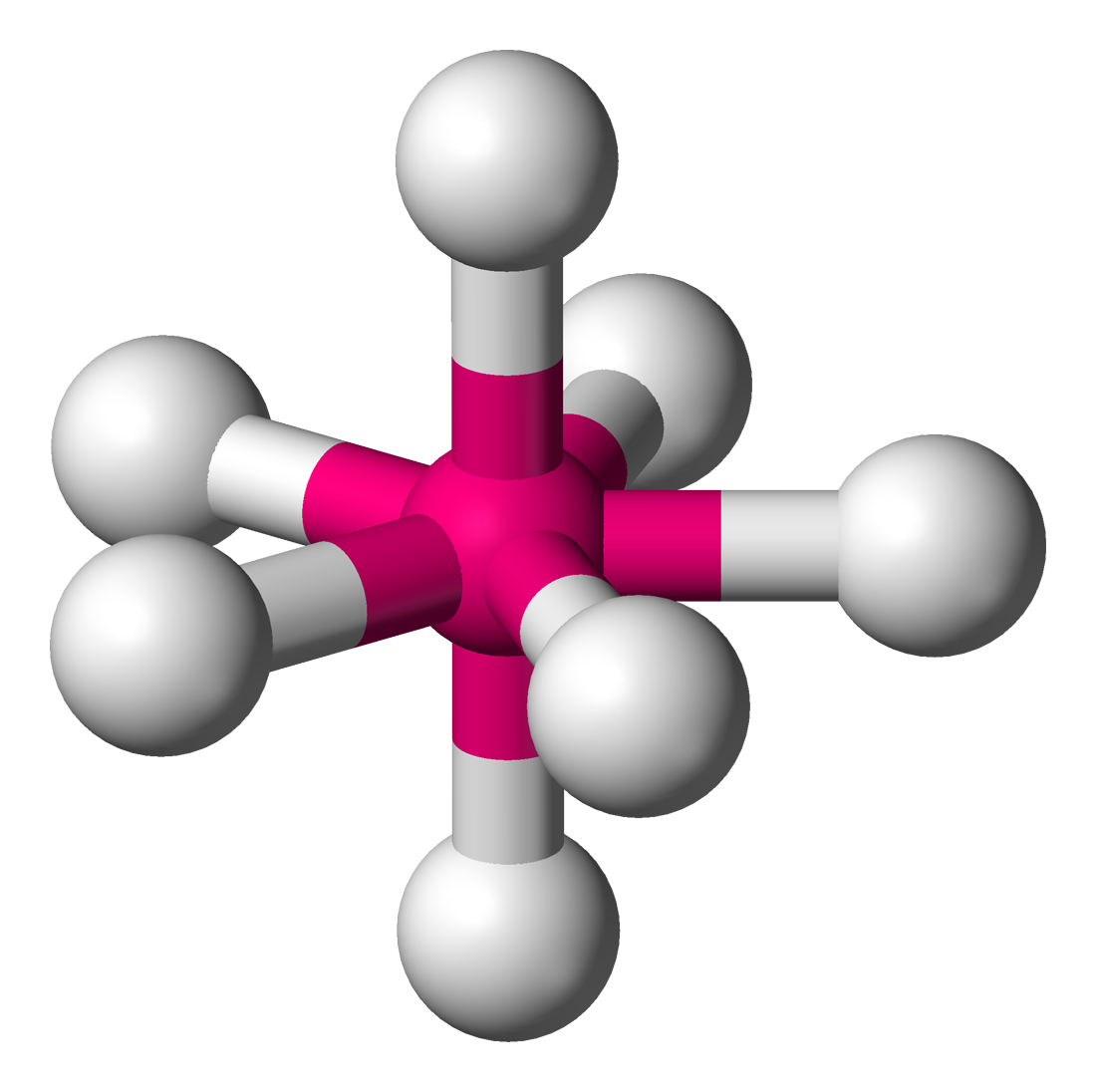
- Trigonal bipyramidal (5) and its derivatives (seesaw, T‑shaped).
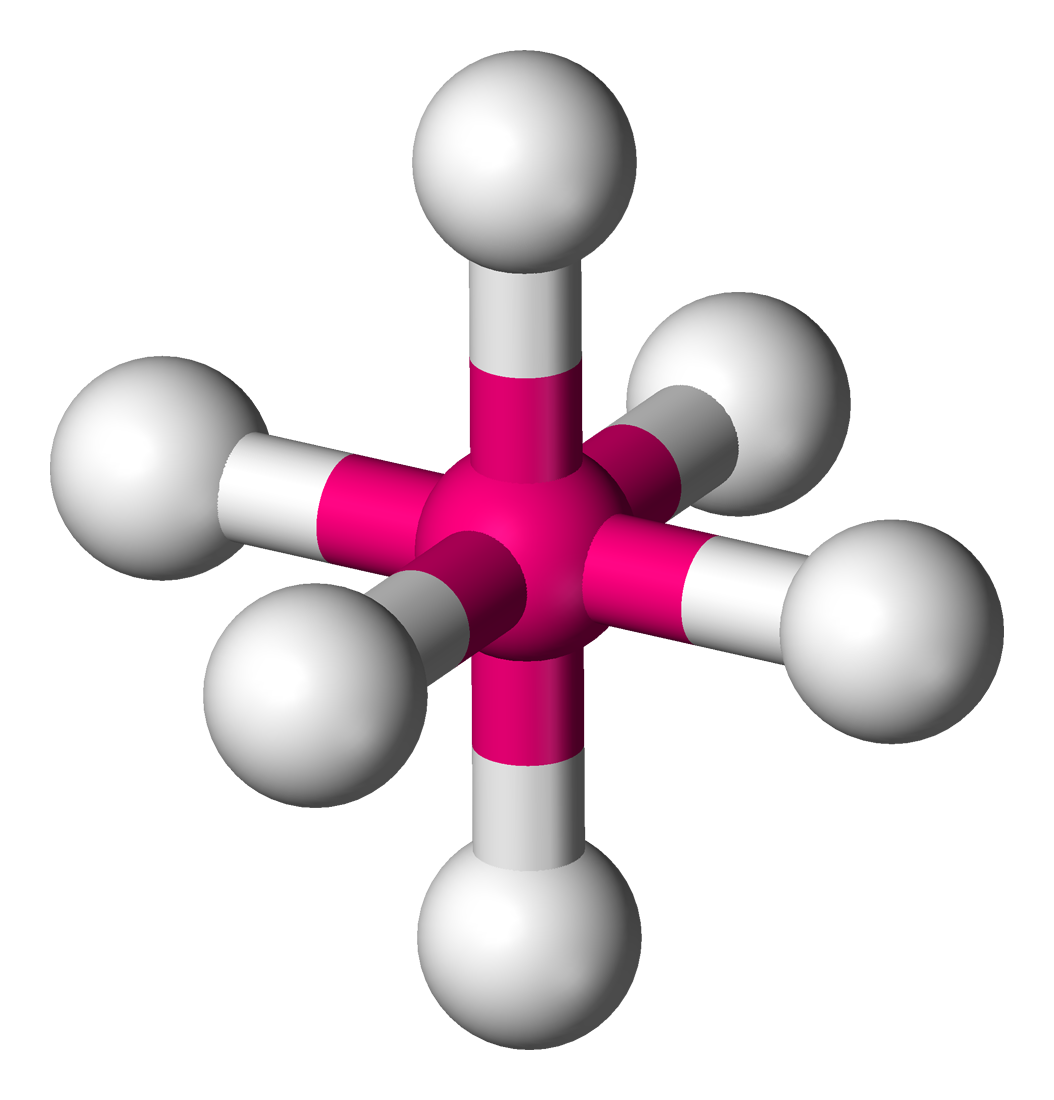
- Octahedral (6): six ligands at the corners of an octahedron.
These ideal shapes can be distorted by unequal ligand types or electronic effects; naming often reflects the observed deviations (e.g., square pyramidal, distorted octahedral).
Factors that determine geometry
Geometry emerges from a balance of influences: coordination number, ligand size (steric effects), electronic configuration of the central atom, metal oxidation state, and bonding models such as crystal field theory or ligand field theory. Main‑group molecules are often rationalized with VSEPR principles, while transition‑metal complexes require orbital considerations that explain preferred geometries and magnetic or spectral behavior.
Isomerism and stereochemical descriptors (cis/trans, fac/mer, enantiomers) are meaningful when ligands can occupy different positions in a given geometry; some complexes are fluxional and can interchange ligand positions in solution.
History and methods
Modern coordination theory grew from late 19th and early 20th century work that introduced fixed coordination numbers and structural ideas; X‑ray crystallography and spectroscopic methods later provided direct evidence of shapes. Today, experimental techniques (X‑ray, NMR, EXAFS, electron microscopy) and computational chemistry complement one another to determine and predict geometries.
Importance and notable distinctions
Coordination geometry matters for catalysis, materials design, magnetic and optical properties, and biological function in metalloenzymes. Distinctions to keep in mind include the difference between electron geometry and molecular geometry, the role of Jahn‑Teller distortions in degenerate electronic states, and whether a complex is labile or inert toward ligand substitution. For readers seeking introductory definitions of basic terms, see discussions of atoms and molecules.
Related articles
Author
AlegsaOnline.com Coordination geometry in chemistry: shapes and factors affecting complexes Leandro Alegsa
URL: https://en.alegsaonline.com/art/22915