
Copper(I) iodide (CuI): properties, preparation, and uses
Copper(I) iodide (CuI) is an inorganic compound of Cu+ and I−. This article summarizes its structure, preparation, common applications in chemistry and materials, and safety considerations.
Copper(I) iodide, commonly called cuprous iodide and written CuI, is an ionic solid composed of copper in the +1 oxidation state and iodide anions. In its pure form it is a pale, often white or slightly off‑white, crystalline powder that may darken on exposure to light or impurities. It is only sparingly soluble in water but dissolves in solutions containing excess iodide to give complex anions.
Image gallery
5 Images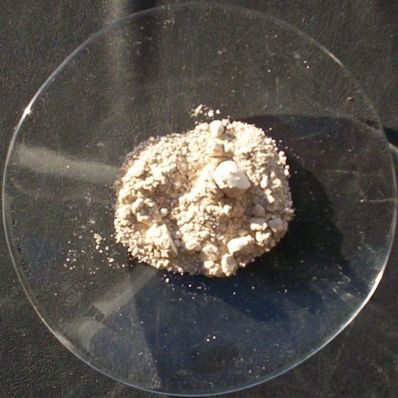



Structure and chemical characteristics
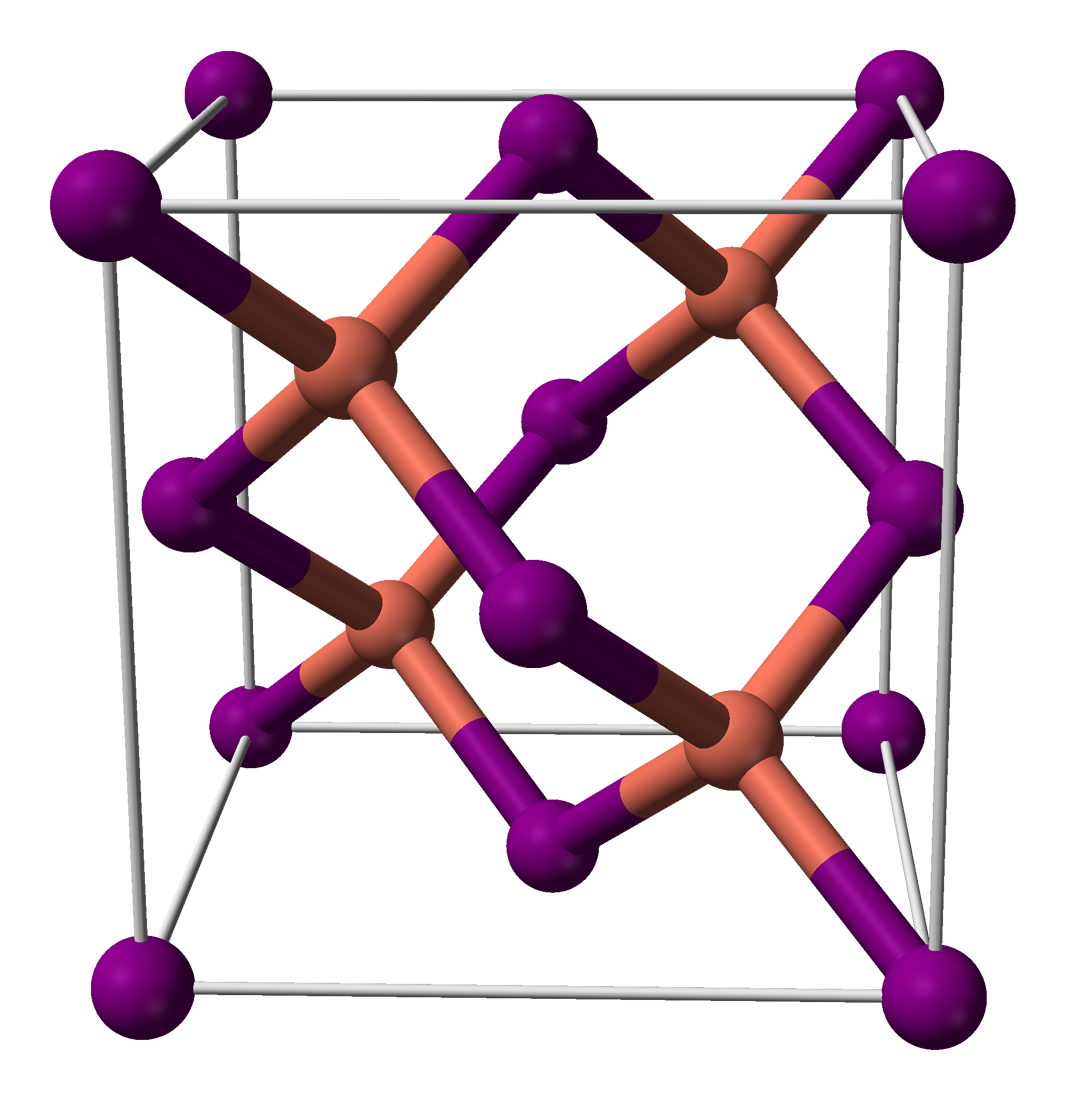
The compound consists of Cu+ ions coordinated to iodide ions in a three‑dimensional network. Depending on temperature and preparation conditions the crystal arrangement can vary, but copper remains monovalent. Because iodide is a mild reducing agent, iodine and higher oxidation states of copper do not form stable iodide analogues under ordinary conditions, a notable distinction from other halide systems.
Preparation and reactions
Copper(I) iodide is commonly prepared by combining a soluble iodide salt with a copper(I) source or by reducing a copper(II) salt in the presence of iodide. It reacts with excess iodide to form soluble complexes and can act as a mild source of iodide in synthetic chemistry. It is relatively stable but will oxidize to release iodine if strongly oxidizing agents are present.
Uses and importance
- In organic synthesis, CuI serves as a catalyst or co‑catalyst in coupling reactions and halogen exchange processes.
- In materials science it is studied as a p‑type semiconductor and transparent conductor for optoelectronic applications.
- It is used as a laboratory reagent and occasionally as an additive where a low‑solubility iodide source is needed.
For practical details on handling, preparation methods and specific applications see general references: overview source, chemical data, and materials applications. More synthesis protocols and safety data are available from specialized resources: laboratory guide and safety information.
Safety and environmental notes: Cuprous iodide should be handled with standard laboratory precautions. Although not highly soluble, copper and iodide compounds can be toxic in sufficient doses and should not be released to the environment unnecessarily. Disposal and exposure controls follow institutional and regulatory guidance.
Related articles
Author
AlegsaOnline.com Copper(I) iodide (CuI): properties, preparation, and uses Leandro Alegsa
URL: https://en.alegsaonline.com/art/22963