
Controlled-access highway: motorway, freeway and autobahn
A highway built for high-speed travel with limited entry and exit, grade-separated junctions, and restricted access. Known as motorways, freeways or autobahns in different countries.
Overview
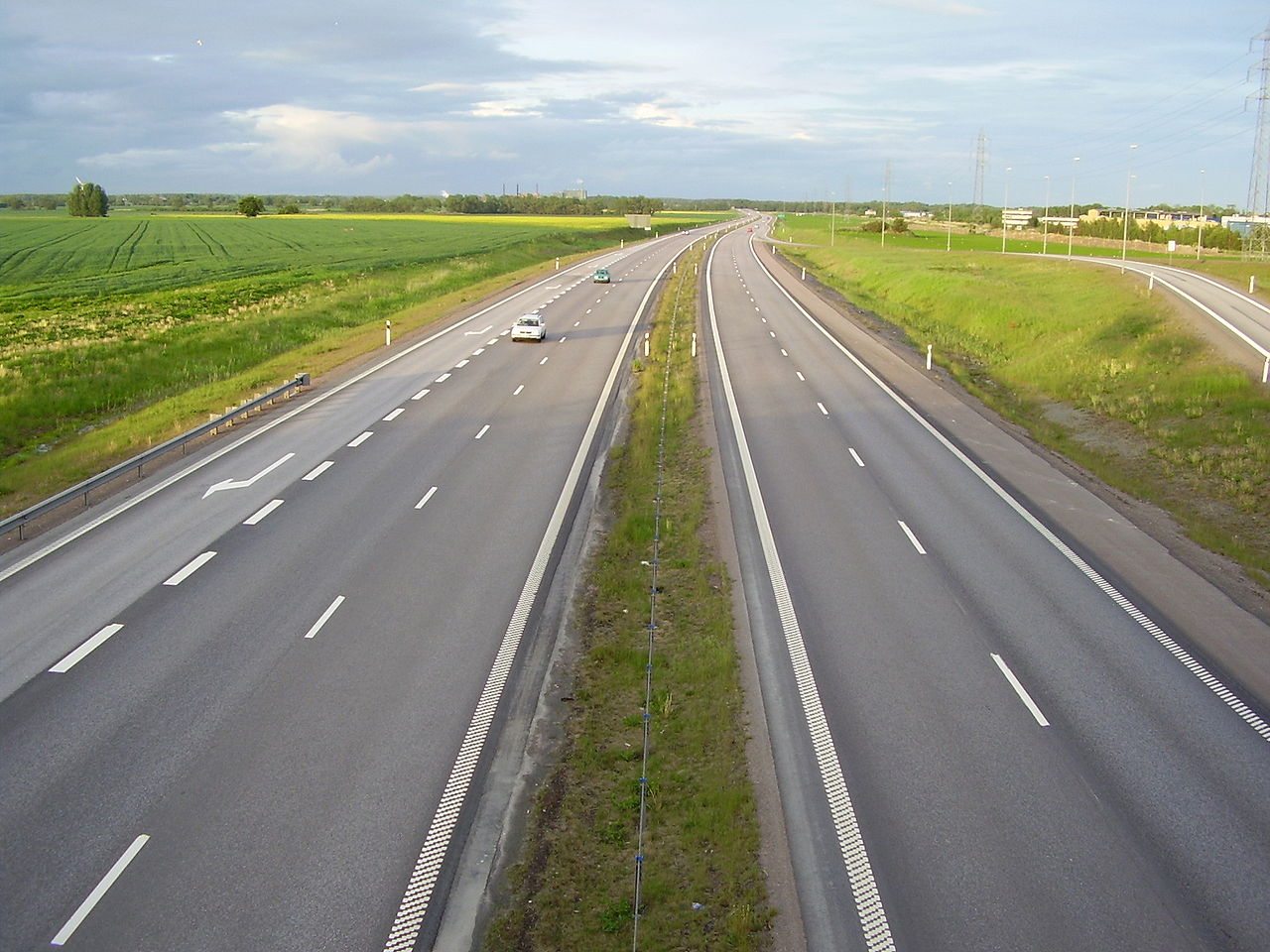
A controlled-access highway is a road type engineered to permit uninterrupted, high-speed vehicular traffic by limiting access points and removing intersections at grade. Different regions use distinctive names: in the United Kingdom and in Ireland the term motorway is common, as it is in New Zealand and other Commonwealth nations. In North America and Australia the more familiar label is freeway, while in Germany these roads are often called Autobahns. For clarity, some texts use the umbrella phrase controlled-access highway to cover all of these.
Image gallery
10 Images




Key characteristics
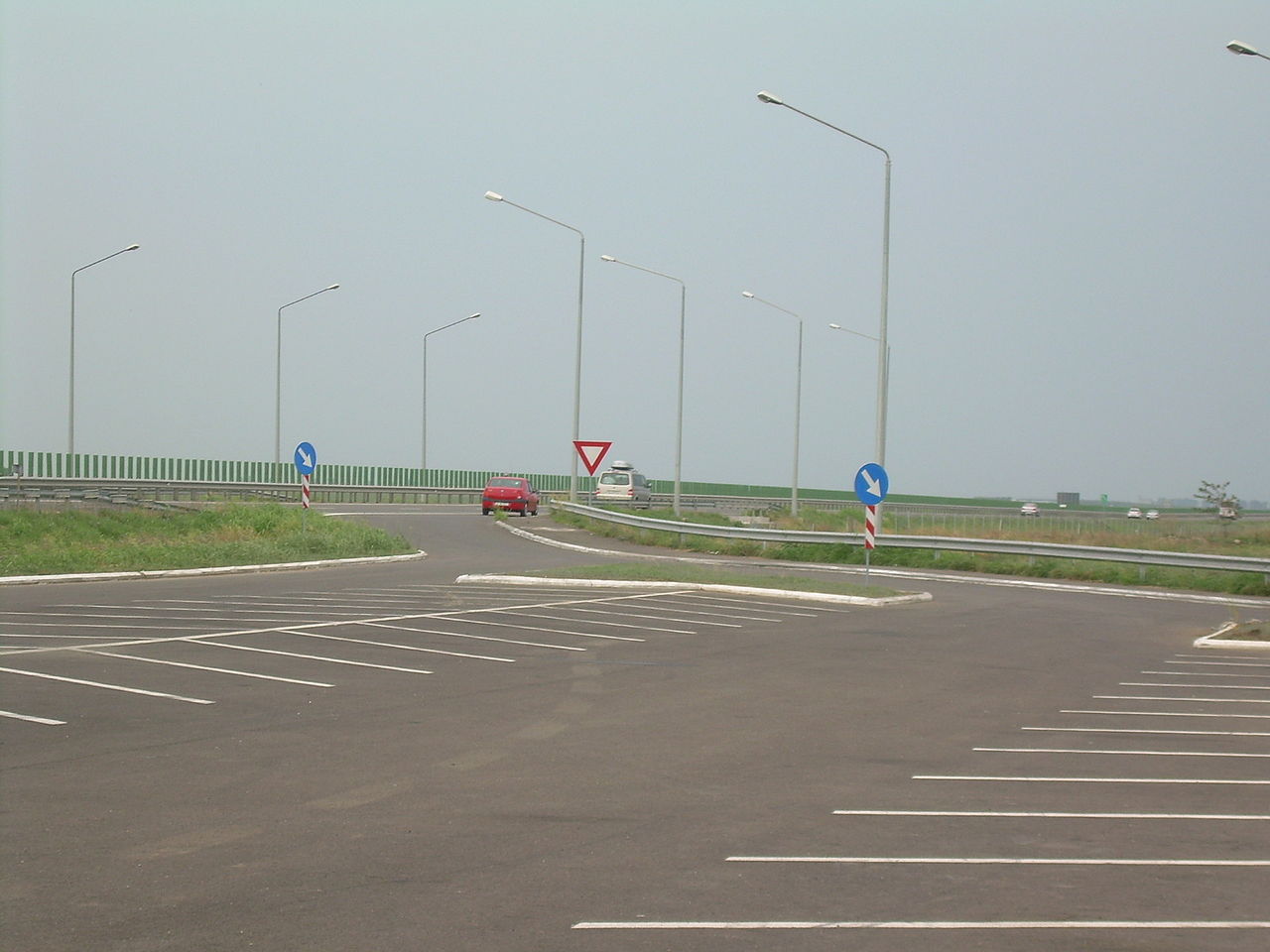
Controlled-access highways typically have multiple lanes in each direction—often at least four lanes—and are divided by a physical barrier or median to separate opposing flows of vehicles. They are designed without traffic signals or level crossings; instead, other roads cross above or below via bridges or tunnels. Access is provided only at designated points using ramps, so places where these connections occur are called junctions or interchanges. To preserve speed and safety, many controlled-access highways forbid slow-moving road users such as bicycles and pedestrians from entering.
Design and engineering
Design elements prioritize continuous flow and safety: long sightlines, gradual curves, wide shoulders, and clear signage. Interchanges come in several configurations (cloverleaf, diamond, stack, etc.) tailored to traffic volumes and land availability. Urban freeways often expand to many lanes to accommodate high demand; in large cities multilane corridors may include local and express lanes, reversible lanes, or managed-toll lanes to regulate congestion.
History and development
The controlled-access concept evolved from early limited-access parkways and private roads into extensive national networks as motor vehicle travel grew. Over time, engineering standards, safety features and traffic management systems advanced, enabling higher speeds and larger capacity while aiming to reduce collisions and congestion. Different countries developed their own planning philosophies and naming conventions as their networks matured.
Uses and importance
These highways are central to long-distance travel, commuter movements and freight transport, enabling faster journeys between cities and regions. They influence land use, economic patterns and logistics, but also raise environmental and social concerns such as noise, emissions, land consumption and community division where routes pass through urban areas. Traffic engineers balance capacity, safety and environmental mitigation when planning new routes or upgrades.
Variations and notable facts
- Some routes are tolled or use electronic pricing to manage demand.
- Service areas and rest stops are common on long-distance corridors to support drivers.
- Modern networks increasingly incorporate intelligent transport systems for real-time traffic control and incident response.
- Regulations, signage and permitted road users vary by jurisdiction, so local rules apply to how a controlled-access highway operates.
For further reading on specific regional systems and standards, consult national transport authorities or engineering guides appropriate to the country of interest.
Related articles
Author
AlegsaOnline.com Controlled-access highway: motorway, freeway and autobahn Leandro Alegsa
URL: https://en.alegsaonline.com/art/22807