
Crate — shipping and storage container
A crate is a sturdy container used for packing, storing, and transporting goods. It comes in wood, plastic, metal and other forms, designed for protection, handling, stacking and reuse across industries.
Overview
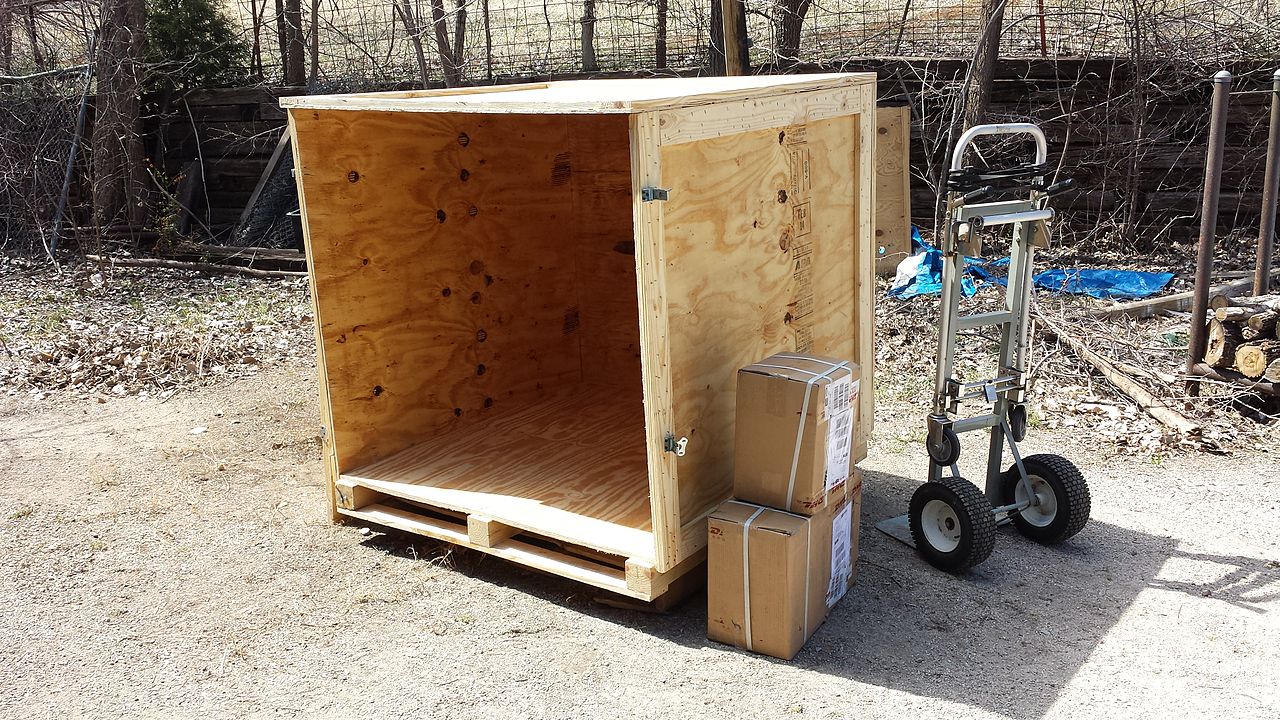
A crate is a rigid container designed to protect, store or move goods. Crates are commonly used in shipping, warehousing, agriculture and retail. They differ from simple boxes in having a stronger structure that often permits stacking, pallet handling and reuse. For general information about containers see related resources.
Image gallery
10 Images




Materials and common designs
Crates are manufactured in a variety of materials to match the needs of the payload and environment. Typical materials include:
- Wood — traditional and still widespread for general shipping, especially heavy or irregular items.
- Plastic — widely used for consumer bottles and dairy, offering light weight, resistance to moisture and long service life.
- Metal — steel or aluminium crates used where higher strength, durability or security is required.
- Composite and specialty — crates that combine materials or include liners, insulation or shock-absorbing fittings.
Design features
Design elements vary by use: ventilated slats for produce, nestable or foldable profiles for return logistics, pallet-compatible bases for forklift access, and removable tops or sides for loading. Bottle crates are often injection-moulded plastic with compartments to keep containers separated; examples and suppliers can be found via product listings and industry pages such as trade resources.
History and development
Simple wooden containers have been used for centuries to move goods safely. Industrialization brought standardized production and new materials; plastics and metals expanded the range of durable, reusable crates. Modern logistics and emphasis on returnable packaging have further shaped crate design.
Uses and importance
Crates serve many roles: protecting fragile items during shipment, organizing inventory in warehouses, transporting produce from farm to market, and distributing bottled beverages. Their strength and stackability make them a practical choice where protection and efficient space use are needed. They can be single-use or part of circular supply chains when designed for reuse.
Handling, standards and environment
Crates are often designed to work with handling equipment and storage systems. Some are treated or certified to meet phytosanitary rules for cross-border movement of wooden packaging. Environmental considerations include the recyclability of materials, the lifecycle benefits of reusable crates versus disposable packaging, and proper disposal or reclamation of end-of-life units. For technical specifications and best practice guidance visit industry guidance.
Related articles
Author
AlegsaOnline.com Crate — shipping and storage container Leandro Alegsa
URL: https://en.alegsaonline.com/art/23996