
Lane (roadway): definition, types, design and traffic use
A lane is a longitudinal division of a roadway for a single line of traffic. This article explains types, markings, dimensions, history, regulatory practice and common uses worldwide.
A lane is a longitudinal portion of a carriageway reserved for a single file of moving or stopped vehicles. On a typical multi-lane highway each direction is divided into one or more lanes so that vehicles travel side by side in parallel paths. The term also applies more broadly to any marked or implied single-vehicle track on a road, though usages vary by country: for example, in Great Britain the word “lane” can also mean a narrow rural road rather than a marked lane on a major road.
Image gallery
10 Images
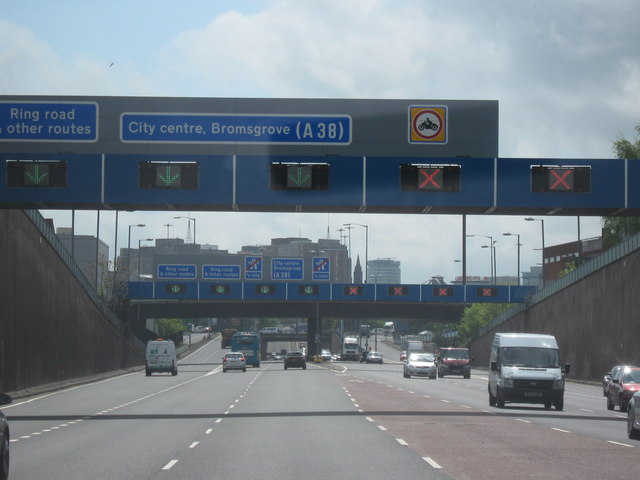


Characteristics and common types
Lanes are identified by markings, signs and their relative position on the roadway. They are intended for use by one line of vehicles at a time and are arranged to support orderly flow and passing. Typical lane types include:
- Through lanes for moving traffic in a given direction.
- Turn lanes (center or curbside) that allow vehicles to decelerate and turn without blocking through traffic.
- Express or restricted lanes, including high-occupancy vehicle (HOV) lanes and bus lanes for certain vehicle types.
- Reversible lanes whose direction is changed to match peak flow.
- Bicycle lanes and shoulder lanes intended for non-motorized users or emergency use.
Design, width and markings
Lane width, edge and center markings, and signage are governed by local and national standards. Many jurisdictions specify minimum and desirable widths based on speed, vehicle mix and the type of road. In the United States, for example, the Federal Highway Administration publishes recommended lane widths for major roads and interstates, and typical practice often uses lanes roughly 3 to 3.7 meters (10–12 feet) wide. Markings such as solid and dashed lines indicate whether crossing or lane changes are permitted.
History and development
Lanes emerged as a practical response to increasing vehicular traffic in the 20th century. As paved, multi-lane roads and motor vehicles proliferated, painted centerlines and lane divisions helped reduce collisions and organize flow. Over time, rules developed to manage turning movements, passing, and priority; modern traffic engineering continues to refine lane configuration to balance capacity, safety and access.
Uses, management and examples
Lane configurations are a key tool for traffic management. Center turn lanes reduce conflicts at frequent turning points, while dedicated bus or HOV lanes prioritize public transport and high-occupancy vehicles such as trucks or carpools during peak hours. Reversible lanes on bridges and urban corridors match directional demand, and temporary lane controls are used during construction. Road authorities may combine lane markings, signs and signal timing to control behavior and capacity.
Safety, legalities and notable distinctions
Operating rules for lanes—who may use them, whether crossing is allowed, and required widths—are legal matters set by traffic law and engineering guidance. Drivers are generally required to keep within lane boundaries unless changing lanes safely. Important distinctions include terminology differences by country, the presence of special lanes for bicycles or buses, and the engineering trade-offs between wider lanes (comfort and speed) and narrower lanes (lower speeds, reduced land use). For further technical guidance consult regional roadway design manuals and the transportation agency links above.
For more detailed standards and local rules see relevant transportation agencies and road codes, or national design guides represented by the anchors in this article.
highway | vehicles | roads | Great Britain | trucks | jurisdictions | United States | Federal Highway Administration | interstates
Related articles
Author
AlegsaOnline.com Lane (roadway): definition, types, design and traffic use Leandro Alegsa
URL: https://en.alegsaonline.com/art/55860
Sources
- oxforddictionaries.com : "lane"
- safety.fhwa.dot.gov : "Lane Width"