
Convoy: organization, history, tactics and modern uses
A convoy is a group of vehicles or vessels traveling together for mutual support and protection. This article explains organization, historical development, defensive tactics and civilian applications.
Overview
A convoy is a coordinated group of vehicles, vessels or other conveyances that travel together for mutual support, safety and logistical efficiency. Convoys are most commonly associated with maritime or road movements, but the concept applies wherever multiple units move as a single organized body. Typical goals include protection from attack, simplified navigation, maintaining group coherence and faster deployment of personnel and equipment upon arrival. In simple terms a convoy reduces risks that individual units would face if they traveled independently.
Image gallery
10 Images





Organization and components
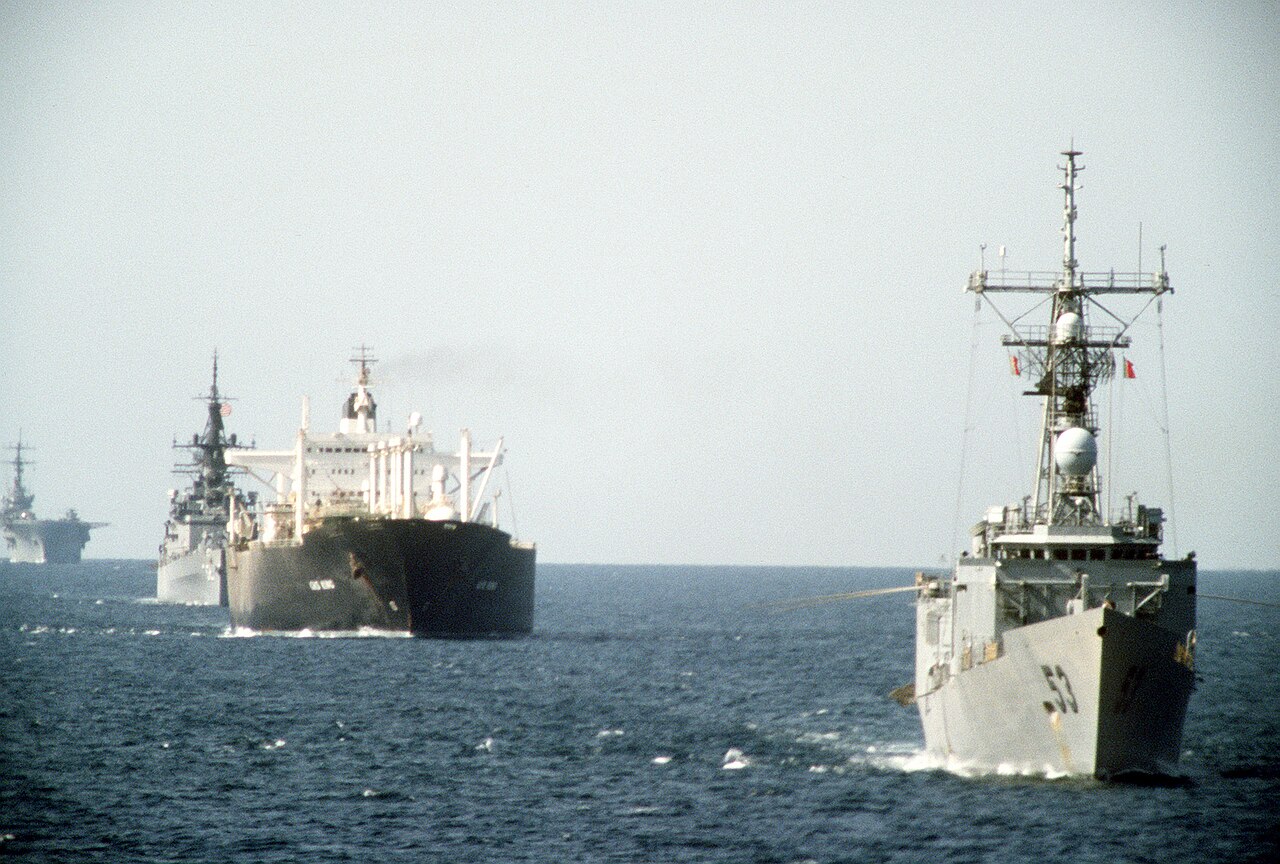
Convoys are arranged with roles and procedures to manage movement and safety. Common elements include a planned formation, a lead vehicle or ship that sets speed and course, one or more escort units that provide defensive capabilities, and communication protocols to control speed, spacing and responses to incidents. The lead or coordinating officer is sometimes called a convoy commander or commodore in maritime contexts. Speed is usually matched to the slowest participants, and routing takes account of terrain, navigational hazards and security threats.
- Core participants: the transport units themselves, such as merchant ships or trucks.
- Escorts: armed warships, military vehicles, or police units that deter or defend against attack.
- Support elements: medical teams, recovery vehicles, communication relays and intelligence assets.
- Procedures: formation drills, signals for stops/starts, and emergency contingency plans.
History and development
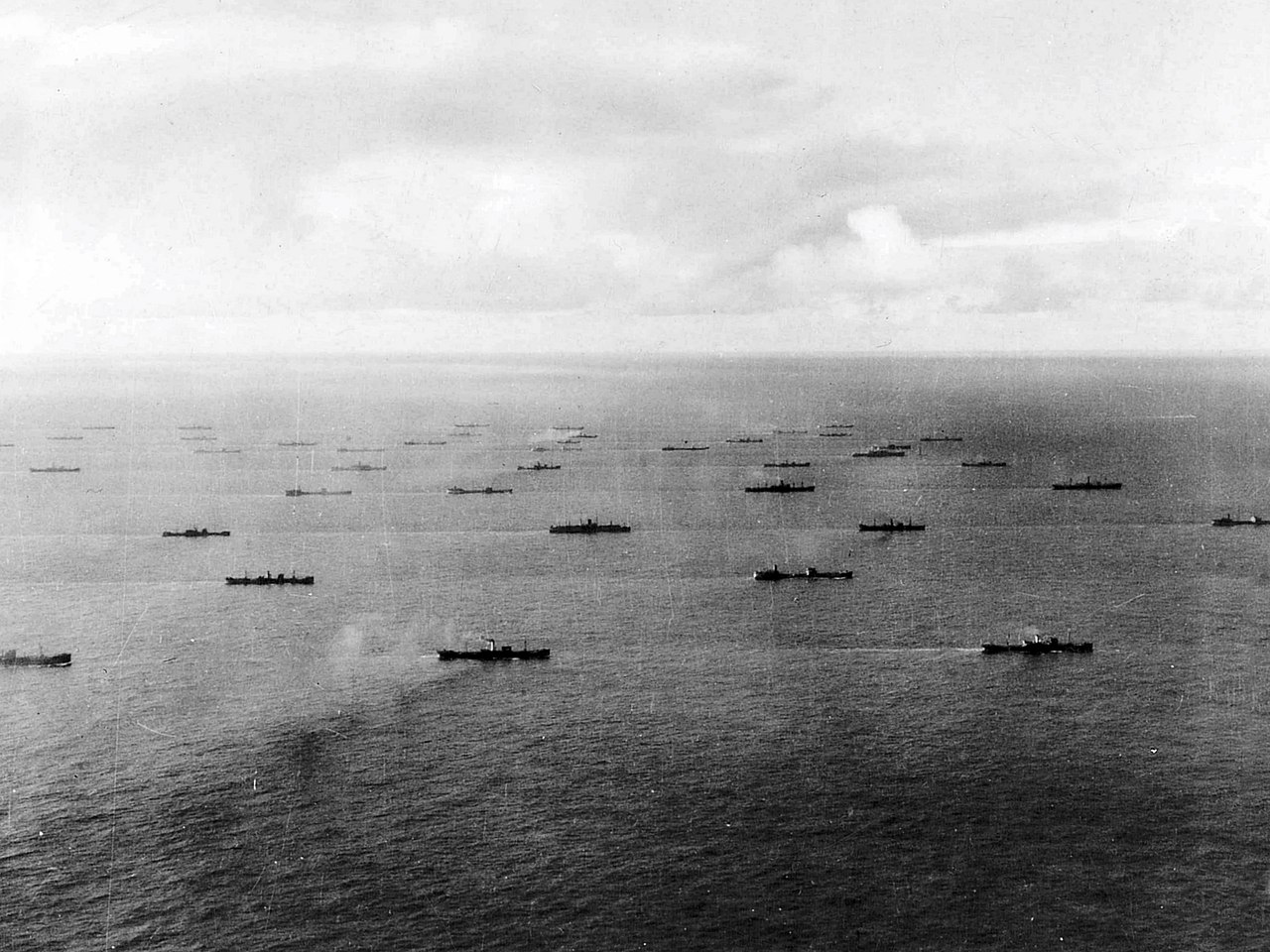
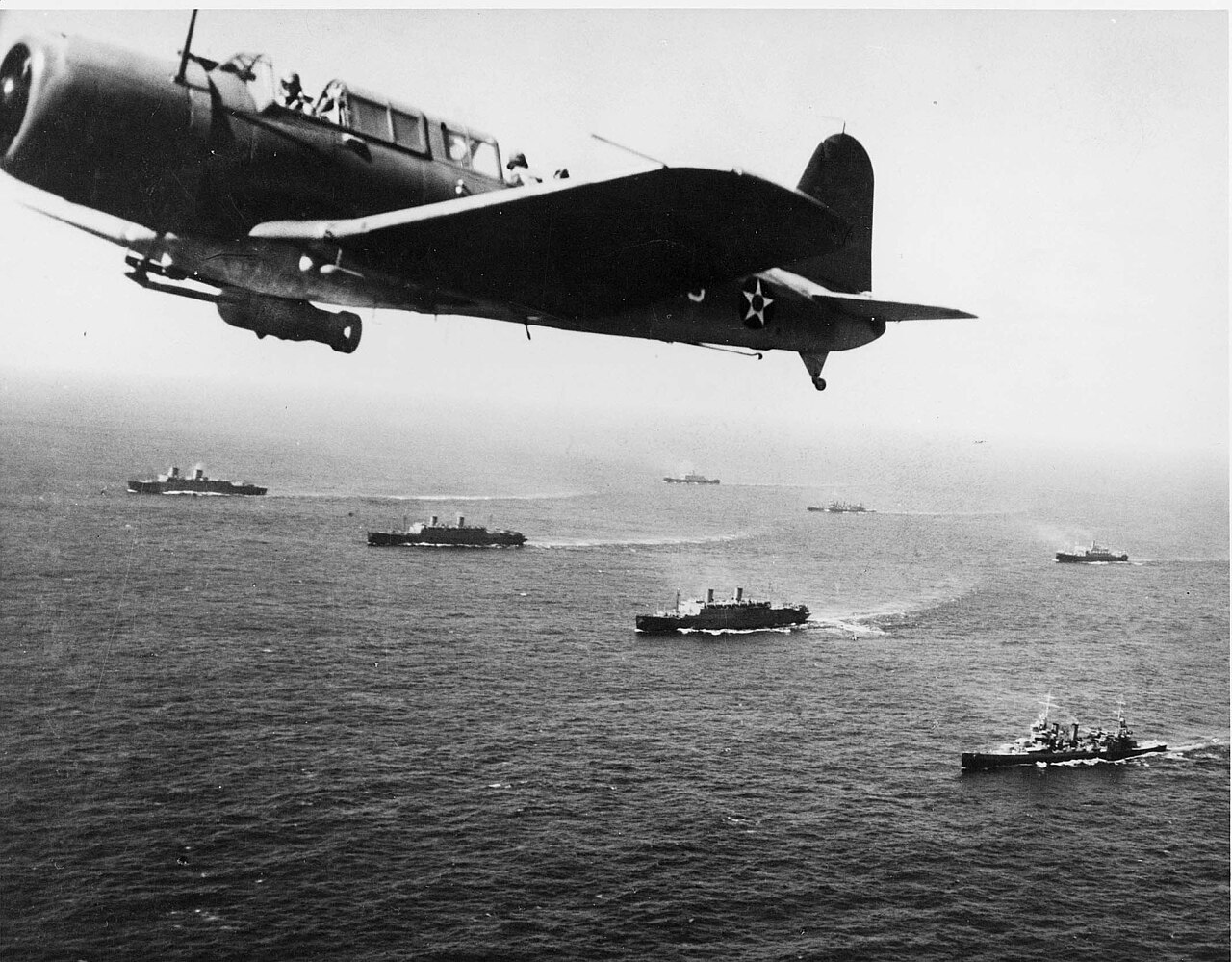
The convoy system developed as a response to threats against unescorted transports. At sea, convoys became widespread when specialized warships separated from merchant fleets and enemy raiders or submarines could attack unprotected commerce; using convoys with armed escorts substantially reduced losses. The tactic was used extensively during large-scale wars in the 20th century. On land, groups traveling through remote or insecure terrain—whether military supply columns or civilian caravans—have relied on similar principles for centuries to reduce vulnerability and to organize logistics.
Tactics and protection measures
Protection of a convoy combines avoidance, deterrence and defensive action. Common measures include route planning to minimize exposure, maintaining formation discipline, use of escorts to detect and respond to threats, and employing air or electronic surveillance where available. At sea, zigzagging and convoy routing reduce submarine attack effectiveness. Land convoys may use staggered spacing, mine-clearing support and armed escorts. Rapid reaction and recovery elements seek to keep the convoy moving or restore progress quickly after incidents.
Civilian uses and notable modern examples
Civilian convoys include humanitarian aid deliveries, medical evacuation movements, fuel and supply runs, migrant or pilgrimage caravans, and organized group travel for safety through remote regions. Humanitarian convoys often coordinate with international organizations and local authorities to provide relief after disasters; effective convoy organization can speed aid delivery while protecting personnel. For emergency deployment of equipment and teams, a coordinated emergency response convoy allows beneficiaries to receive consolidated assistance faster. On roads, travelers sometimes form a caravan to share security and navigation duties. The term also covers groups of vehicles and, at sea, movements of merchant ships escorted by warships.
Significance and distinctions
Convoys remain a fundamental logistics and security mechanism. Distinctions to note: a convoy emphasizes coordinated movement and protection, while a caravan often implies a civilian or commercial group traveling together, particularly on land. An escorted convoy differs from unescorted group travel mainly by the presence of designated defensive units. Modern technology—satellite navigation, radar, drones and secure communications—has improved convoy safety, but the basic principles of mutual support and planned movement endure.
Questions and answers
Q: What is a convoy?
A: A convoy is a group of vehicles or ships that travel together for support and protection.
Q: When are civilian convoys typically organized?
A: Civilian convoys are typically organized when driving through remote areas.
Q: Why is armed defensive support often included in a convoy?
A: Armed defensive support is often included in a convoy to provide protection for the convoy members.
Q: Why is organizing a convoy beneficial for an organized group?
A: Organizing a convoy allows an organized group to arrive together with their equipment and start working together immediately.
Q: What is another name for a convoy on land?
A: Another name for a convoy on land is a caravan.
Q: When did the use of convoys at sea become widespread?
A: The use of convoys at sea became widespread when warships were made as a different kind of ship.
Q: Why were convoys at sea used to endanger enemy merchant ships?
A: Convoys at sea were used to endanger enemy merchant ships that were not protected by friendly warships.
Related articles
Author
AlegsaOnline.com Convoy: organization, history, tactics and modern uses Leandro Alegsa
URL: https://en.alegsaonline.com/art/22850