
Confuciusornis — an early beaked bird from the Early Cretaceous
Confuciusornis is a crow-sized Early Cretaceous bird from northeastern China, notable as the earliest known bird with a toothless beak, a pygostyle, abundant fossil specimens, and important evolutionary implications.
Confuciusornis is a genus of small, crow-sized birds that lived during the Early Cretaceous. Well preserved fossils come from the freshwater lake sediments of northeastern China and date to roughly 125–120 million years ago. Because of the large number of articulated skeletons with intact feathers, this animal provides one of the clearest windows into early avian anatomy and diversity. The genus was named in reference to the Chinese philosopher Confucius, and it is frequently discussed in studies of early bird evolution.
Image gallery
10 Images




Description and anatomy
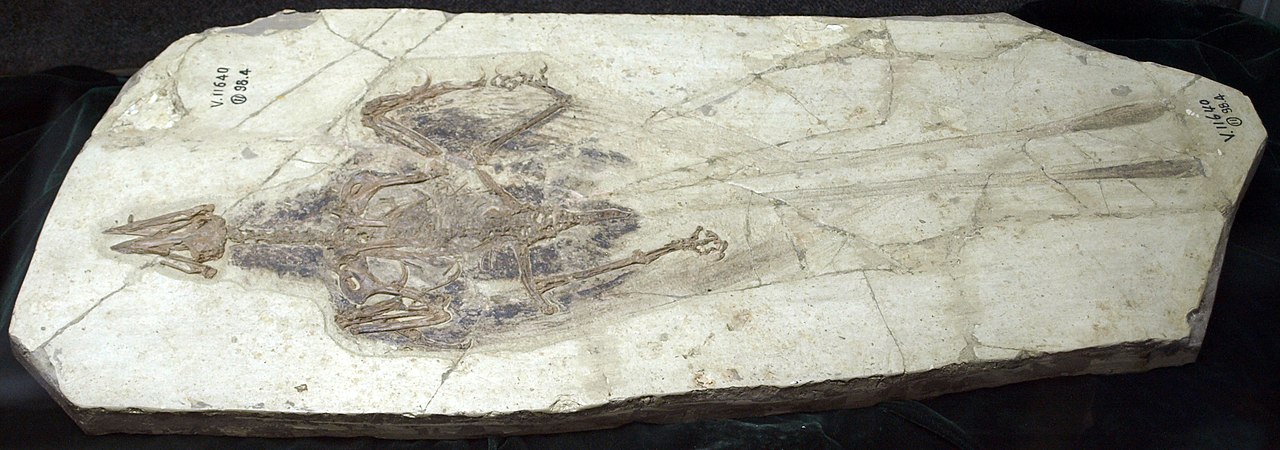
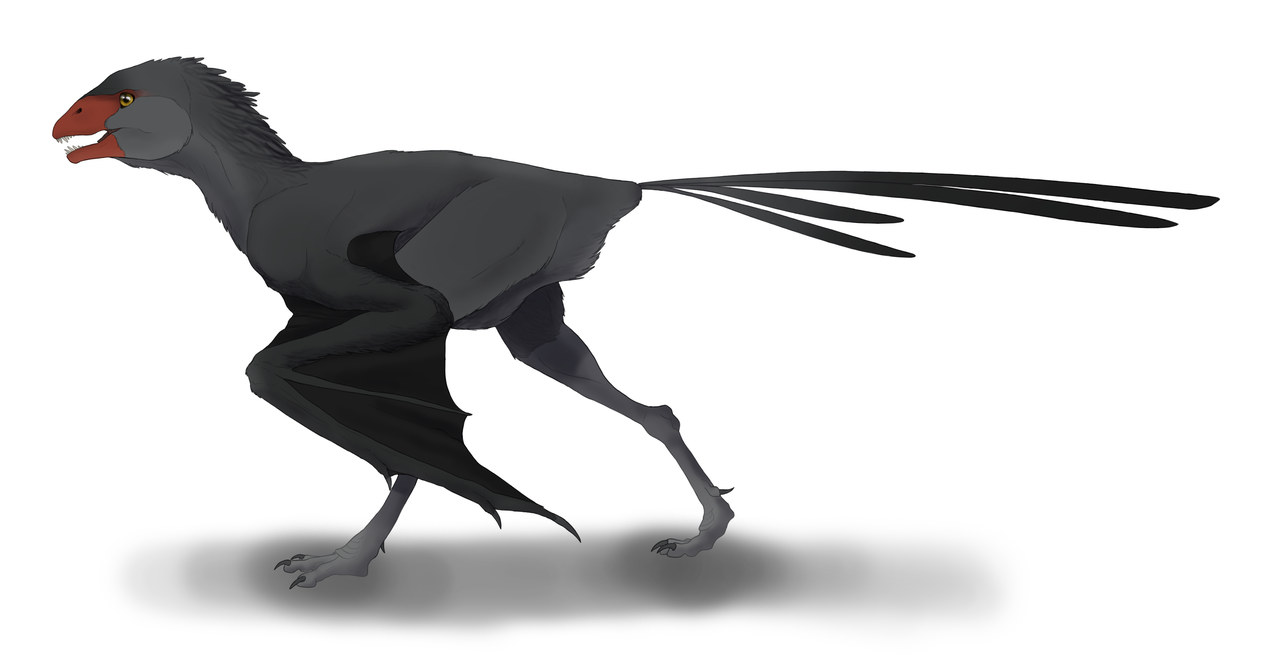
Confuciusornis combined primitive and derived features. Like modern birds it had a toothless beak and a short, fused tail (a pygostyle), but it retained clawed fingers on the wing and several other basal skeletal traits. The body was roughly the size of a living crow (crow-sized), with well-developed flight feathers preserved in many specimens. Some individuals show long, ribbon-like central tail feathers interpreted by many researchers as ornamental. The proportions of the feet and toes suggest a lifestyle that included both ground locomotion and grasping branches: measurements of the toes are consistent with mixed perching and walking abilities, while large manual and pedal claws imply climbing skill. A small crest or tuft on the skull has been proposed based on subtle crest-like structures in a few specimens (crest).
Fossil record and discovery
Fossils of Confuciusornis are primarily found in the lake-deposit strata of the Yixian and Jiufotang Formations in northeastern China (Yixian and Jiufotang Formations), which preserve a diverse ecosystem of plants, fishes, reptiles, and early birds. The deposits date to the Lower Cretaceous and have yielded several hundred complete, articulated Confuciusornis skeletons, making it one of the most abundant vertebrates known from those beds. The quantity and quality of specimens allow detailed study of variation, growth, and soft-tissue impressions, including feather arrangement and feather shaft structure.
Flight, diet and behavior
How well Confuciusornis could fly is debated. Its wings bore modern-style flight feathers, yet the shoulder girdle and limited breastbone development suggest it may not have matched the sustained, powerful flapping flight of many modern birds. Many researchers infer a capacity for short bursts of flapping, gliding, or a combination of aerial and arboreal movement. Diet is inferred from beak shape and context rather than preserved stomach contents in most cases; the toothless beak could accommodate seeds, small invertebrates, or other items, and the loss of teeth in this lineage appears independent of similar tooth loss seen later in the branch that led to living birds.
- Key features: toothless beak, pygostyle, clawed fingers, long flight feathers.
- Age and location: Early Cretaceous lakes of northeastern China (Yixian and Jiufotang Formations).
- Abundance: several hundred well-preserved specimens provide exceptional sample sizes for anatomical study.
Evolutionary significance and comparisons
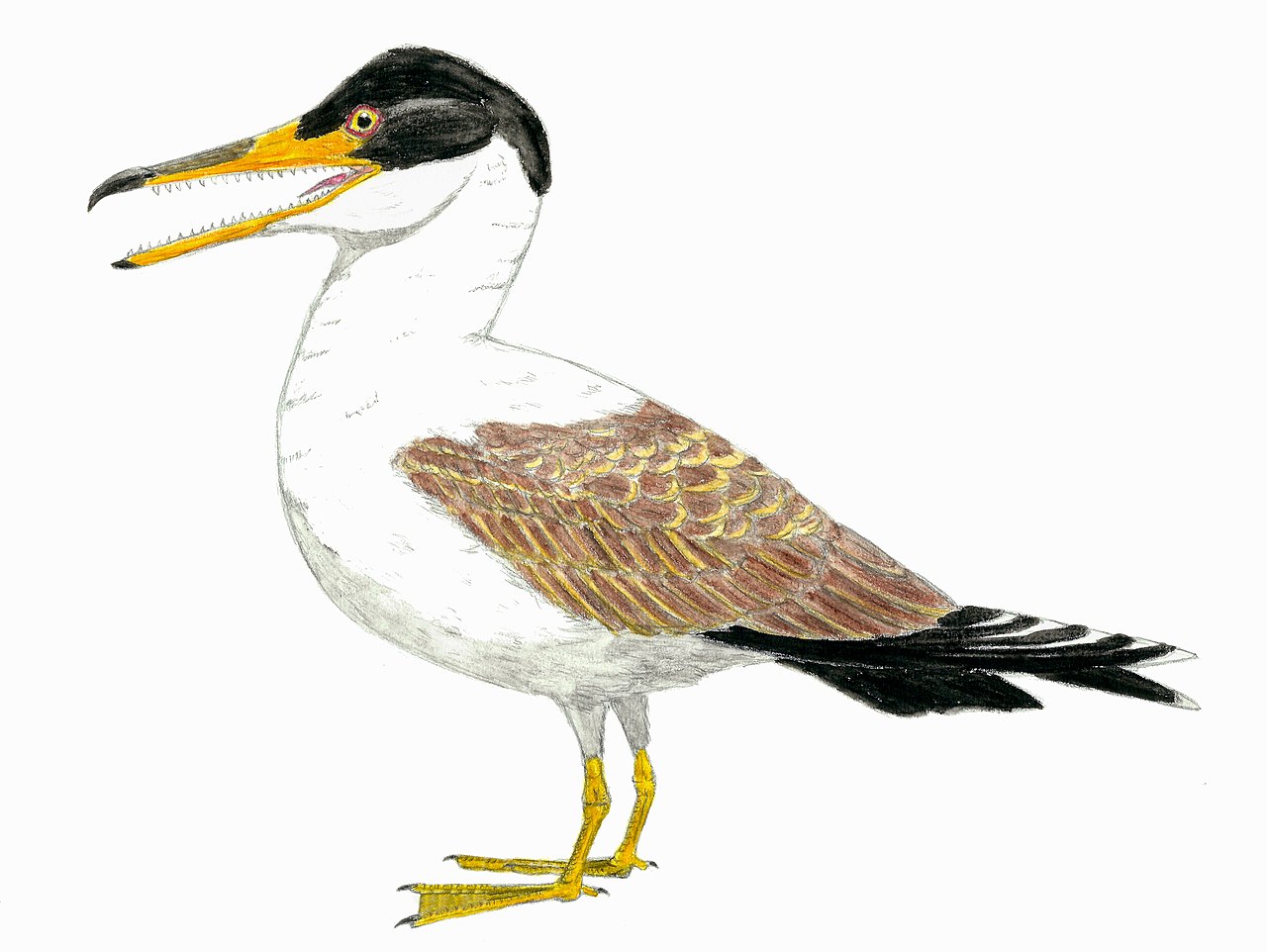
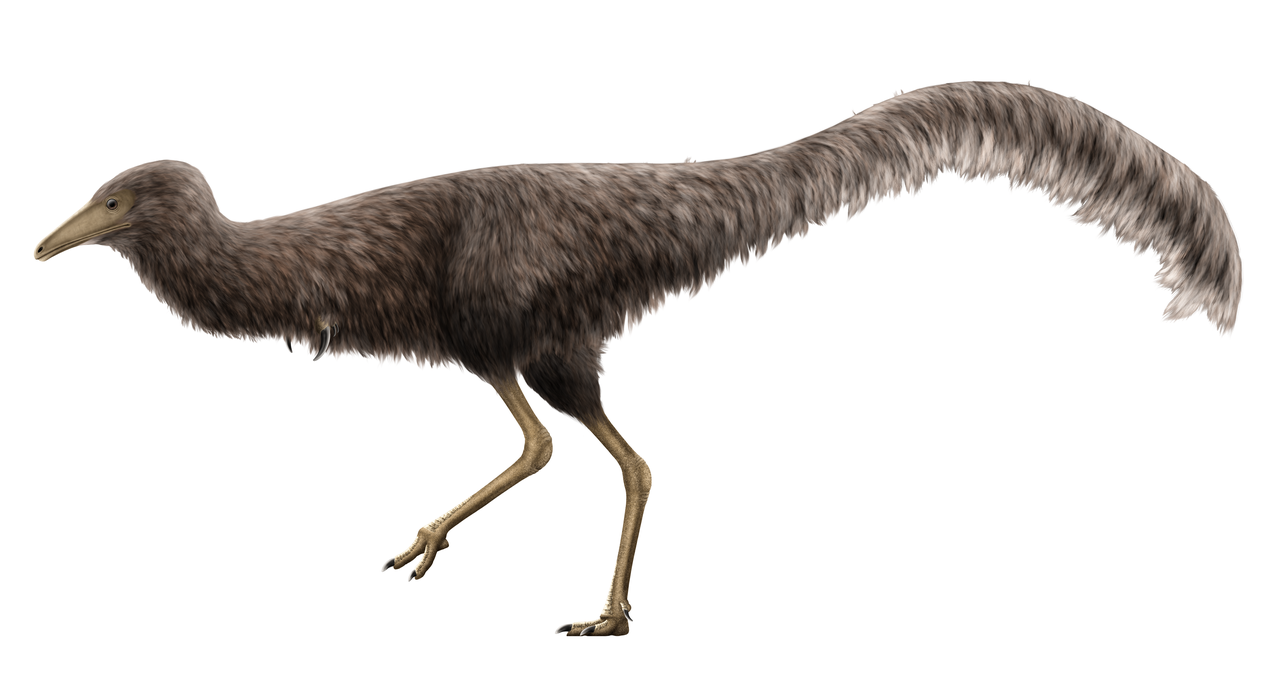
Confuciusornis is critical for understanding the sequence of changes that produced modern birds. It is the earliest known bird lineage with a fully toothless beak, a condition that also evolved independently in other avian groups such as those including Hesperornis and Ichthyornis. The independent loss of teeth in separate lineages is an example of convergent evolution. The switch from a long, bony tail toward a compact pygostyle in Confuciusornis marks a key transition from the long-tailed Archaeopteryx-like condition to the tail anatomy seen in most later birds. Its combination of plesiomorphic and derived traits makes Confuciusornis a focal taxon for debates about early avian locomotion, display structures (including possible sexual dimorphism tied to long tail feathers), and ecological roles.
For readers seeking summaries or specimen images, museum collections and reviews of the Yixian fossil beds provide accessible overviews; many museum displays and publications discuss Confuciusornis among other feathered dinosaurs and early birds (size comparison, stratigraphy, regional geology). Scholarly work explores functional interpretations of foot proportions (toes), perching evidence (perching), and the significance of manual and pedal claws, while descriptive papers discuss possible cranial ornamentation or crest structures. Confuciusornis remains one of the best-known early birds and a benchmark taxon in studies of avian origins.
Questions and answers
Q: What is Confuciusornis?
A: Confuciusornis is a genus of primitive crow-sized birds from the Lower Cretaceous.
Q: Where was Confuciusornis found?
A: Confuciusornis was found in the Yixian and Jiufotang Formations of China.
Q: When did Confuciusornis exist?
A: Confuciusornis existed during the Lower Cretaceous, dating from 125 to 120 million years ago.
Q: Why was Confuciusornis named after Confucius?
A: Confuciusornis was named after the Chinese moral philosopher Confucius (551–479 BC).
Q: Did Confuciusornis have teeth?
A: No, Confuciusornis had a toothless beak, unlike some of its close relatives.
Q: What is convergent evolution?
A: Convergent evolution is the process where unrelated species develop similar characteristics due to the similar challenges they face in their environment.
Q: What unique characteristics did Confuciusornis have?
A: Confuciusornis is the oldest known bird to have a beak and the first known bird to have lost the long tail of Archaeopteryx and develop fused tail vertebrae (a pygostyle). They had toes that suggest they were used for both walking and perching and large claws on the thumb and third finger for climbing. The head probably had a small crest or tuft.
Related articles
Author
AlegsaOnline.com Confuciusornis — an early beaked bird from the Early Cretaceous Leandro Alegsa
URL: https://en.alegsaonline.com/art/22494
Sources
- dx.doi.org : 10.1126/science.1192963
- nature.com : See the article online
- esciencenews.com : e!Science News: The color of dinosaur feathers discovered.
- news.sciencemag.org : ScienceNOW: The Lost World, now in colors by Sverker Lundin. January, 27 2010.