
Congo peafowl (Afropavo congensis): an overview of Africa's native peafowl
A concise encyclopedia entry on the Congo peafowl covering identification, habitat, behavior, relationships to other birds, threats, and conservation.
Overview
The Congo peafowl (Afropavo congensis) is the only peafowl species native to Africa and inhabits parts of the central Congo Basin. Locally known as the mbulu, it is one of three living peafowl species; the others occur in South and Southeast Asia. The Congo peafowl is distinctive for combining features typical of peafowl with traits seen in guineafowl, making it of particular interest in studies of bird evolution and biogeography. For basic taxonomic context see species information and general peafowl comparisons at peafowl summaries.
Image gallery
9 Images


Appearance and characteristics
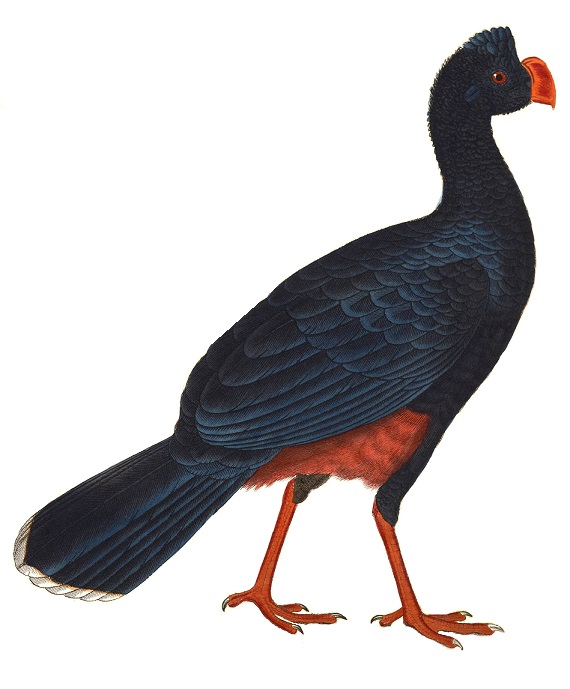
Adults are medium-sized ground birds. Males show glossy blue-green body plumage and a short, rounded train rather than the long, ornate tail of the Indian peafowl. Females are duller, with more brown and olive tones and a less conspicuous crest. Both sexes have short crests and strong legs adapted for terrestrial life. The bird's mix of features — colorful, iridescent neck feathers like other peafowl but a body shape and some patterning reminiscent of guineafowl — has prompted discussion about its evolutionary relationships; more on related taxa appears at guineafowl comparisons.
Habitat and range
The species occupies dense lowland and swamp forests of the central African rainforests, primarily within the Democratic Republic of the Congo. It favors closed-canopy forest with patches of secondary growth and forest edges where it forages. The Congo peafowl is less widespread than its Asian relatives and is closely tied to intact rainforest ecosystems that provide its food and nesting sites.
Behavior and diet
Congo peafowl are largely terrestrial and secretive. They feed on a mixed diet of fruits, seeds, invertebrates and small vertebrates, foraging on the forest floor and in low vegetation. Breeding behavior involves ground nests placed in concealed locations; the female typically incubates the eggs and cares for the young. Courtship displays exist but are less dramatic than the extravagant displays of the Indian peafowl or the green peafowl (green peafowl), which live in Asia and adjacent regions such as Indochina.
Conservation and human interactions
Because it occurs in a restricted area of tropical forest, the Congo peafowl faces pressures from habitat loss, hunting, and human disturbance. It has been the focus of conservation attention through habitat protection, field surveys, and limited captive breeding programs in zoos. Conservationists emphasize preserving large tracts of continuous forest and reducing hunting pressure to maintain viable populations.
Notable facts and distinctions
- The Congo peafowl is the sole African representative of the peafowl group and is placed in the genus Afropavo.
- Its blend of peafowl- and guineafowl-like traits makes it important for understanding galliform evolution; see comparative resources at taxonomic overview.
- The species is little known to the general public compared with Asian peafowl, in part because it inhabits remote forested areas and is naturally elusive.
For additional reading and species accounts consult regional field guides and conservation assessments available through scientific and conservation organizations: peafowl resources, Asian peafowl comparisons, and broader biogeographic references at Indochina and Southeast Asia summaries.
Related articles
Author
AlegsaOnline.com Congo peafowl (Afropavo congensis): an overview of Africa's native peafowl Leandro Alegsa
URL: https://en.alegsaonline.com/art/22502
Sources
- iucnredlist.org : "Afropavo congensis"
- waza.org : "Congo Peafowl"