
Perch (Perca): freshwater fish—anatomy, behavior, and human importance
Perch (genus Perca) are small to medium freshwater fishes known for their two-part dorsal fins, rough scales, lateral line sense system and role in sport fishing and ecosystems.
Perch are freshwater ray-finned fishes in the genus Perca, found across temperate regions of Europe, Asia and North America. They are usually small to medium in size and are recognizable by a compact, laterally compressed body, a pair of distinct dorsal fins and a pattern of vertical bars or spots on the sides. Readers can find a basic introduction to perch biology at general reference.
Image gallery
10 Images


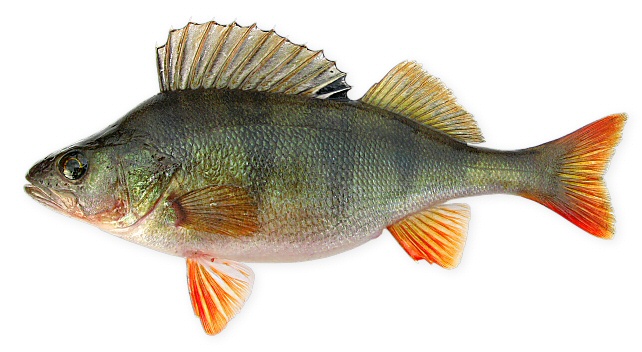
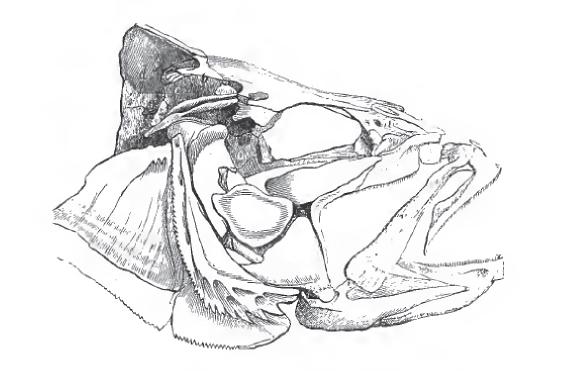
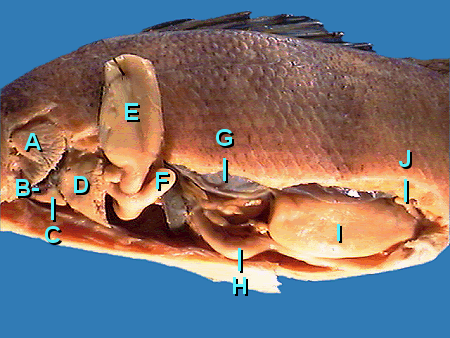

Anatomy and external features
Perch possess several anatomical traits that are common to many predatory freshwater fish but combined in a characteristic way. Their scales are ctenoid (often described as "rough") and, under magnification, show overlapping plates with growth rings and small spines on the posterior margin—details discussed in microscopy studies at microscopy sources and scale descriptions at scale references. Key external structures include:
- Mouth and head region, including the terminal mouth used for seizing prey (mouth), paired nostrils (nostrils) and eyes without movable lids (eyes).
- Operculum plates that protect the gill chamber (operculum).
- A lateral line system of sensory organs that detects water movements and pressure changes (lateral line, sensory organs), giving sensitivity to vibrations (vibration sensing).
- Pectoral and pelvic paired fins (paired fins), and a caudal (tail) fin for propulsion (caudal fin).
- Two dorsal fins: the anterior is spiny and helps deter predators; the posterior dorsal fin is softer and flexible. The anal fin often contains spines as well.
Species, taxonomy and origins
The genus Perca includes several well-known species, such as the European perch (Perca fluviatilis) and the yellow perch (Perca flavescens). These species diverged within the temperate freshwater fish fauna and have been shaped by postglacial dispersal and local adaptation. Taxonomic work places perch in the family Percidae, among other perch-like fishes and darters, and compares their morphology and genetics to related groups.
Habitat, diet and behavior
Perch typically inhabit lakes, rivers, ponds and slow-moving streams where they occupy midwater to near-bottom zones. They are opportunistic predators feeding on invertebrates, smaller fishes and insect larvae; juveniles often feed on planktonic organisms. Perch display schooling behavior at times, particularly younger fish, and may adopt ambush or cruising feeding strategies depending on prey and habitat structure.
Reproduction, life cycle and growth
Spawning usually occurs seasonally in spring when adults move into shallower, vegetated areas. Females lay eggs in long gelatinous ribbons that attach to submerged plants or structures; males fertilize externally. Eggs hatch into larvae that develop rapidly into juveniles. Growth rates depend on temperature, food availability and population density; scale and otolith rings are commonly used to estimate age.
Human uses, fisheries and notable facts
Perch are valued in recreational angling and in some small-scale commercial fisheries for their white flaky flesh. They are popular targets for sport fishing because of their abundance and willingness to take bait. Perch also serve important ecological roles as both predators and prey within freshwater food webs. Notable traits include the rough ctenoid scales, the two-part dorsal fin arrangement, and the lateral line sensitivity that helps them detect prey and predators. For further reading and species accounts consult general resources at Perch overview and comparative anatomy sources such as scale studies or microscopy references.
Additional technical or regional information can be found through the anatomical references above and by consulting fisheries, ecology and taxonomy literature; representative links are provided for orientation: mouth, nostrils, eyes, operculum, lateral line, sensory organs, vibrations, paired fins, fins.
Related articles
Author
AlegsaOnline.com Perch (Perca): freshwater fish—anatomy, behavior, and human importance Leandro Alegsa
URL: https://en.alegsaonline.com/art/75750