
Confucius: Chinese Teacher and Philosopher (551–479 BC)
Confucius (Kong Qiu) was a Chinese teacher, thinker and political adviser whose moral philosophy and emphasis on ritual, education and good governance shaped East Asian cultures for millennia.
Overview
Confucius (traditionally 551–479 BC), also known as Kong Qiu or Kongzi, was a Chinese educator, moral philosopher and public official from the state of Lu. He is the central figure behind the intellectual and social tradition usually called Confucianism. His teachings focus on personal virtue, social harmony and proper conduct in family and state life. Confucius lived and taught during a period of political fragmentation, and his ideas were developed as remedies for social disorder.
Image gallery
10 Images




Life and career
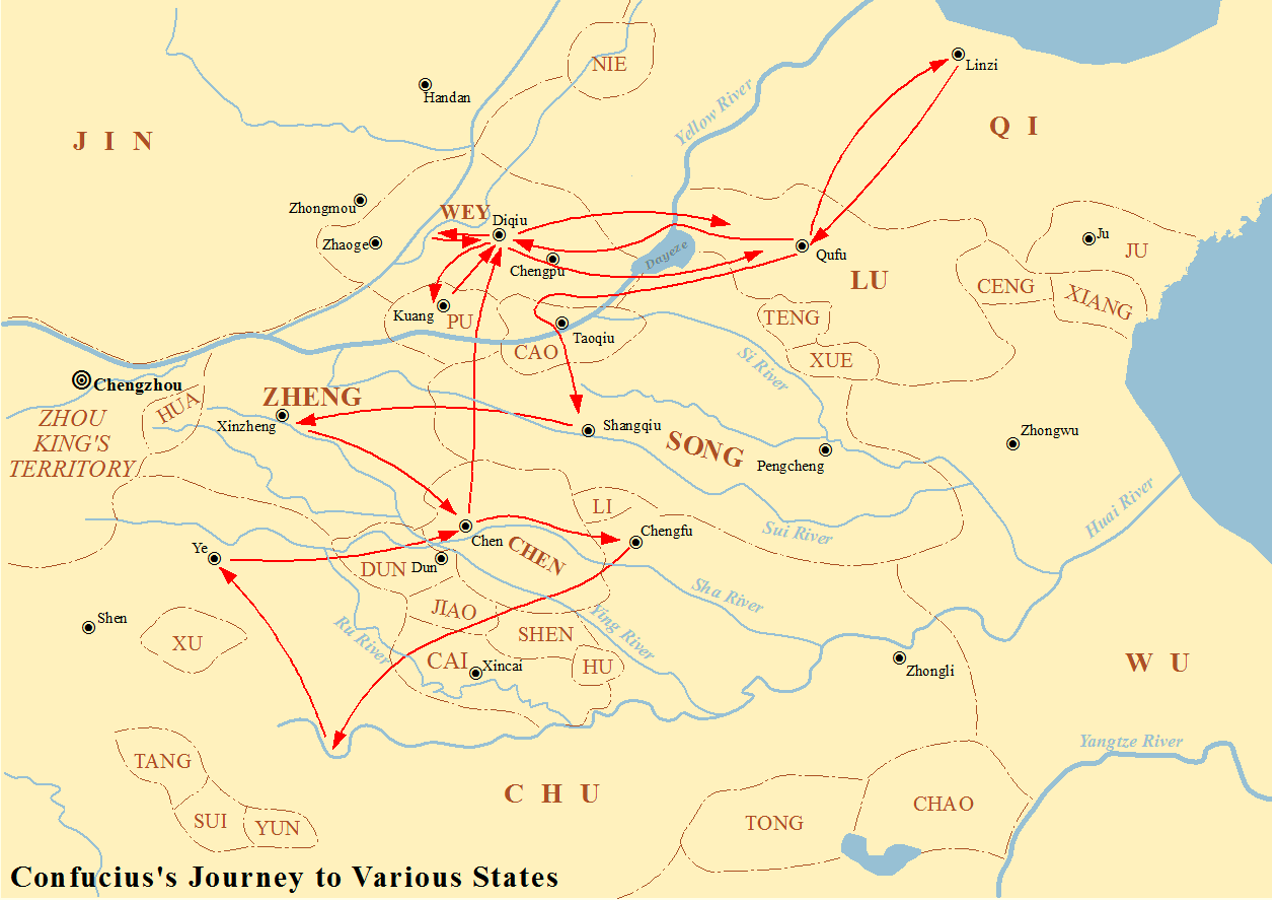
Born into a family of modest means, Confucius is said to have shown early curiosity and devotion to learning. He studied history, poetry, music and ritual, and later served in several local government posts. Dissatisfied with the corruption and conflict of his time, he left Lu for a period to seek patrons among other rulers, gathering a circle of disciples who recorded his sayings and discussions. After years of travel and teaching, he returned to Lu and continued to instruct students from different backgrounds, emphasizing ethical cultivation over birthright.
Historical context
Confucius lived during the Spring and Autumn period of the Zhou dynasty, an era marked by weakened central authority and frequent interstate warfare. Many of his proposals were responses to that instability: restoring proper observance of rites, strengthening moral leadership, and reviving ancient norms believed to support social order. The environment in which he taught helps explain his concern for ritual practice and the education of elites and officials alike. See more on the broader political setting here.
Core teachings and concepts
At the heart of Confucius's thought are practical virtues and social roles. Key terms often associated with his teaching include ren (humaneness or benevolence), li (ritual, propriety, or established conduct), xiao (filial piety), and junzi (the "superior person" or morally cultivated individual). He taught that rulers should govern by moral example rather than by force, and that the character of individuals—formed through learning and practice of rites—determines the health of society.
- Ren: kindness and empathy in interpersonal relations.
- Li: appropriate behavior and ritual norms that structure social life; see also rituals.
- Xiao: respect and duty within the family, especially toward parents and elders.
- Junzi: an ideal of moral self-improvement contrasted with mere status.
Texts, transmission and later development
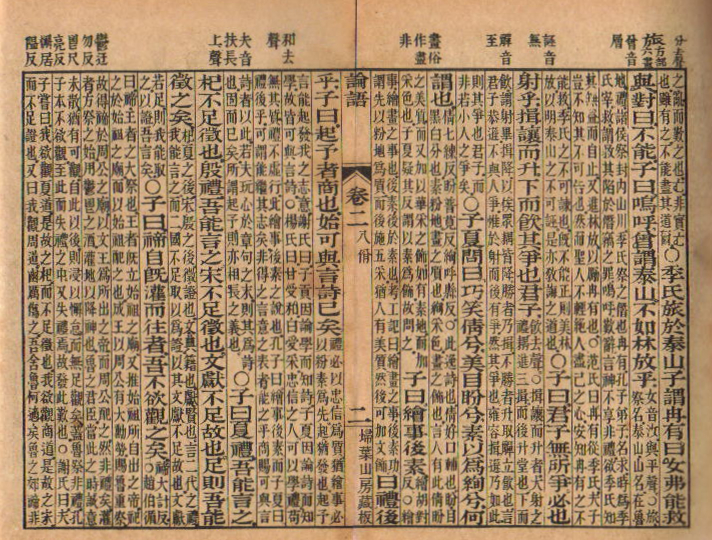
Most of what is known of Confucius's sayings and dialogues comes from the Analects, a compilation assembled by his disciples and later followers. He is traditionally associated with preserving and teaching the so-called Classics of early China, though modern scholarship distinguishes his role as interpreter rather than sole author. Over subsequent centuries Confucian ideas were systematized, defended and reinterpreted, notably during the Han dynasty when they became the basis for official education and civil service examinations, and again in the Song and Ming eras with the rise of Neo-Confucianism. Institutions and commentarial traditions helped spread his influence across East Asia; see institutional developments here.
Legacy and significance
Confucius's impact extends well beyond philosophy into education, governance, family life and cultural rituals across China, Korea, Japan and Vietnam. His model of moral leadership influenced administrative selection practices and the social ethic of duty and learning. Confucianism has been adapted, criticized and revived at different times: it was modified by later scholars, challenged by rival schools such as Legalism and Daoism, confronted by modernizing movements, and reassessed in contemporary scholarship and public life. Temples, commemorations and ongoing study of his works testify to his long-standing place in cultural memory. For contemporary perspectives and resources, consult this link here or background material here.
Notable distinctions
Confucius is best understood not as the founder of a fixed religion but as the originator of a moral, educational and social outlook that shaped institutions and habits. His practical emphasis on education, ritual performance and moral example differs from other philosophical approaches that prioritize metaphysics or legal coercion. The tradition named after him has displayed great adaptability: it has been a scholarly orthodoxy, a source of civic ethics, and a field of scholarly debate from antiquity to the present.
Questions and answers
Q: Who was Confucius?
A: Confucius was an important Chinese educator and philosopher who lived in the Spring and Autumn period of the Zhou Dynasty.
Q: What was his original name?
A: His original name was Kong Qiu or Zhong Ni.
Q: How did he receive his formal education?
A: It is not known how he received his formal education, but he mastered many subjects of the arts.
Q: What did Confucius do when he grew up?
A: When he grew up, he worked as a state official who handled farms and cattle, then became a teacher.
Q: What period of time did Confucius live in?
A: Confucius lived in the Spring and Autumn period of the Zhou Dynasty.
Q: How old was Confucius when he died?
A: He died in 479 BC at age 72.
Q: What did Confucius want to bring back to society?
A:Confucius wanted to bring order back to society during a time when many states were fighting wars in China.
Related articles
Author
AlegsaOnline.com Confucius: Chinese Teacher and Philosopher (551–479 BC) Leandro Alegsa
URL: https://en.alegsaonline.com/art/116774