
Clipper (19th-century fast sailing ship)
A clipper was a long, narrow, square‑rigged merchant sailing ship of the mid‑19th century built for speed. Used on tea, passenger and gold‑rush routes, later overtaken by steam and canal routes.
Clipper originally described a very fast commercial sailing vessel of the mid‑19th century. A typical clipper combined a long, narrow hull with a large sail area to achieve unusually quick passages for its time. They were designed to carry relatively light, high‑value or time‑sensitive cargoes rather than maximum bulk. A clipper was essentially a fast sailing ship developed and used during the 19th century.
Image gallery
10 Images


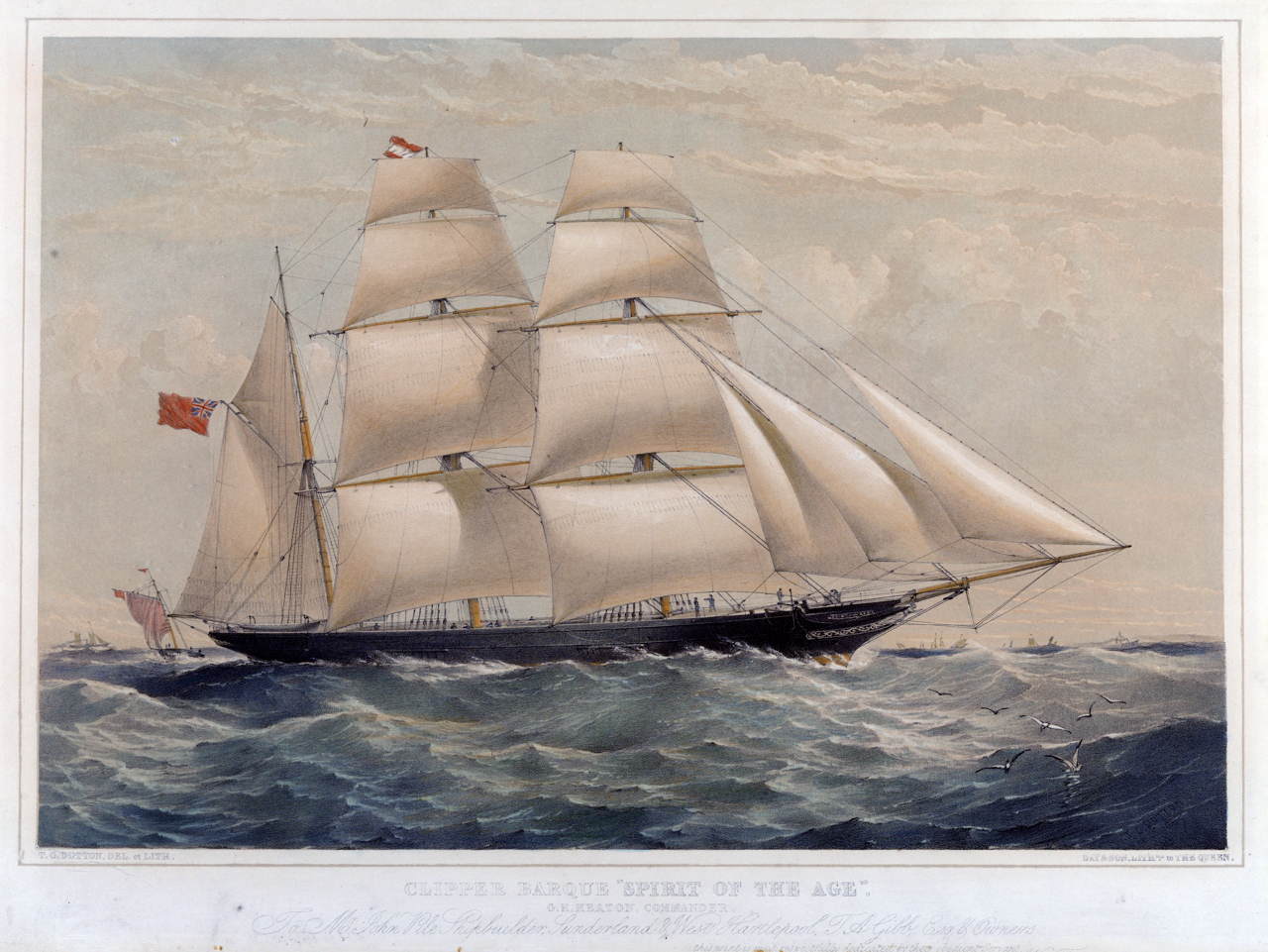


Design and construction
Key features included a fine, raked bow, a long overhanging stern, and tall masts with extensive square sails on the principal masts. The use of a square rig allowed clippers to harness strong ocean winds and achieve impressive average speeds on long routes. Early clippers were of all‑wood construction; later examples sometimes used composite methods combining iron frames with wooden planking to gain strength while keeping weight low. Hull lines were sharp and narrow relative to length, producing a craft optimized for speed but requiring skill to handle in heavy weather.
Builders and national traditions
Clippers were built in several maritime nations. The most famous yards were in the United Kingdom and the United States, but France and the Netherlands produced notable examples as well. Dutch yards, for example, began constructing clippers in the 1850s to improve the speed of tea runs and passenger services. Ship designers and builders in each country adapted local techniques to the general goal of faster ocean passages.
Trade routes and cargoes
Clippers operated on long routes where faster delivery justified a premium. They ran between Britain and its eastern possessions and ports, serving the needs of British colonies and other trading partners in Asia. On the North Atlantic they carried mail and perishable goods, while the famous New York to San Francisco voyages rounded Cape Horn during the California Gold Rush, when speed could mean earlier access to market opportunities. Clippers were prominent in the China–Europe tea trade, importing tea to Europe, and they also carried emigrants and other passengers to distant colonies and ports such as Java.
Operational life and culture
The competitive nature of clipper service generated public interest. Fast passages were reported in newspapers and sometimes celebrated as informal "races" between rival ships. Successful captains and famous passages entered maritime lore; certain ships became celebrated for exceptional speed and handling. Clippers required experienced crews to manage the vast sail plans and to keep the vessel running safely at high speeds in heavy seas.
Decline and legacy
By the late 19th century the era of the clipper drew to a close as steam propulsion became more economical and reliable, and as new canal routes and coaling arrangements favored steamers for key trades. The opening of the Suez Canal and improvements in steam technology reduced the advantage that clippers once held on many routes. Nevertheless, clippers left a lasting legacy: several have been preserved in museum collections or remain famous in maritime history, and the term "clipper" endures as shorthand for swift, elegant sailing craft. Their influence can be seen in later fast sailing designs and in continuing public interest in the age of sail.
- Design: long, narrow hull; tall masts; extensive square sails (square rig).
- Main routes: Europe–Asia trade, trans‑Atlantic runs, New York–San Francisco via Cape Horn.
- Typical cargoes: tea, mail, passengers and other high‑value goods.
- Builders: Britain, United States, France, Netherlands and others; Dutch clippers from the 1850s.
For general historical context, clippers are best understood as a technological and commercial response to mid‑19th century demands for speed on long ocean passages. They are remembered both for their technical characteristics and for the dramatic stories of voyages made in pursuit of faster trade and travel.
Related places and topics mentioned in this article include major ports such as New York and San Francisco, events like the California Gold Rush, and regions served by clippers including the seas around Java and other colonial destinations.
Related articles
Author
AlegsaOnline.com Clipper (19th-century fast sailing ship) Leandro Alegsa
URL: https://en.alegsaonline.com/art/21046