
California Gold Rush
Mid-19th-century migration to California after the 1848 gold discovery; transformed the region's population, economy, environment, and path to statehood.

Overview
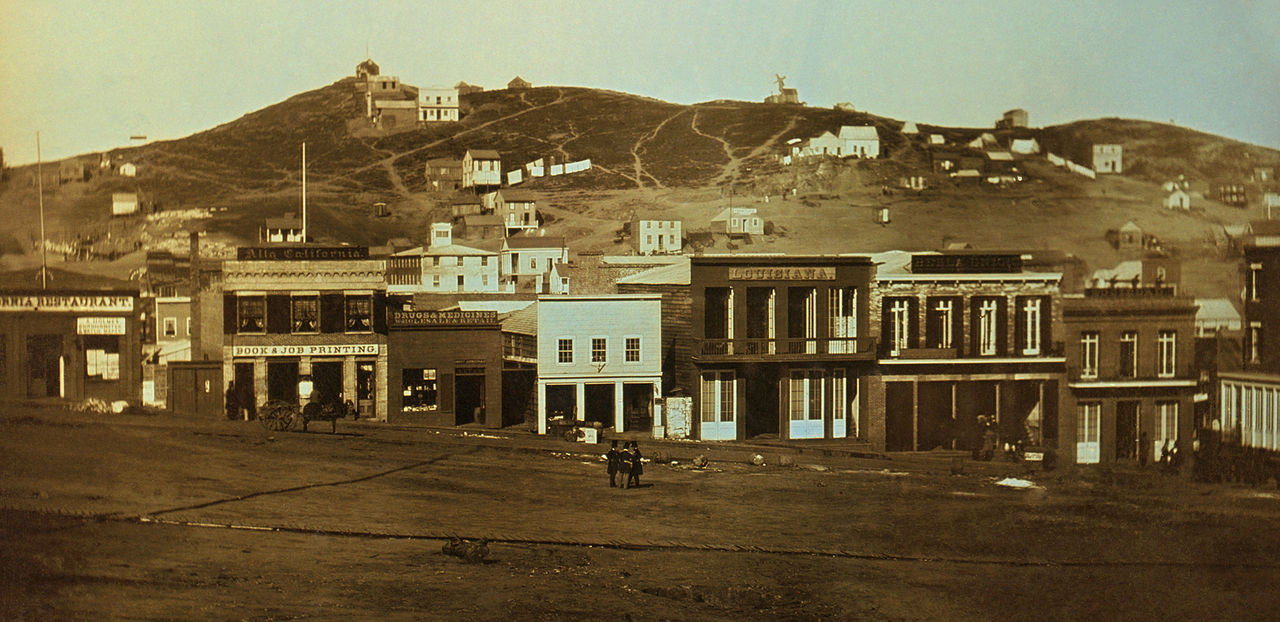
The California Gold Rush was a rapid influx of people to northern California after gold was discovered in 1848. What began as a local find soon triggered a global migration of prospectors, entrepreneurs and service providers seeking wealth and opportunity. The era reshaped California's demographics, economy and environment and played a major role in the region's transition from a sparsely populated territory to an organized U.S. state.
Image gallery
10 Images




Discovery and early spread
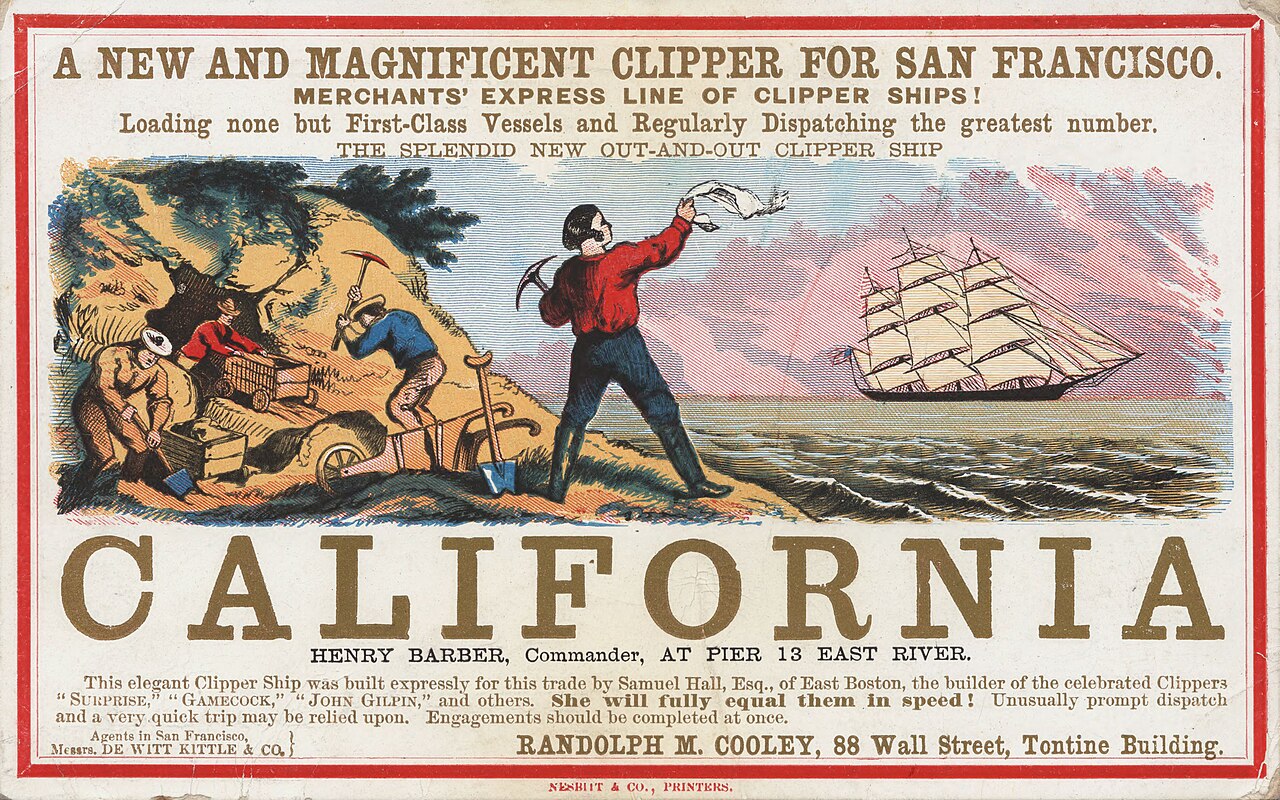
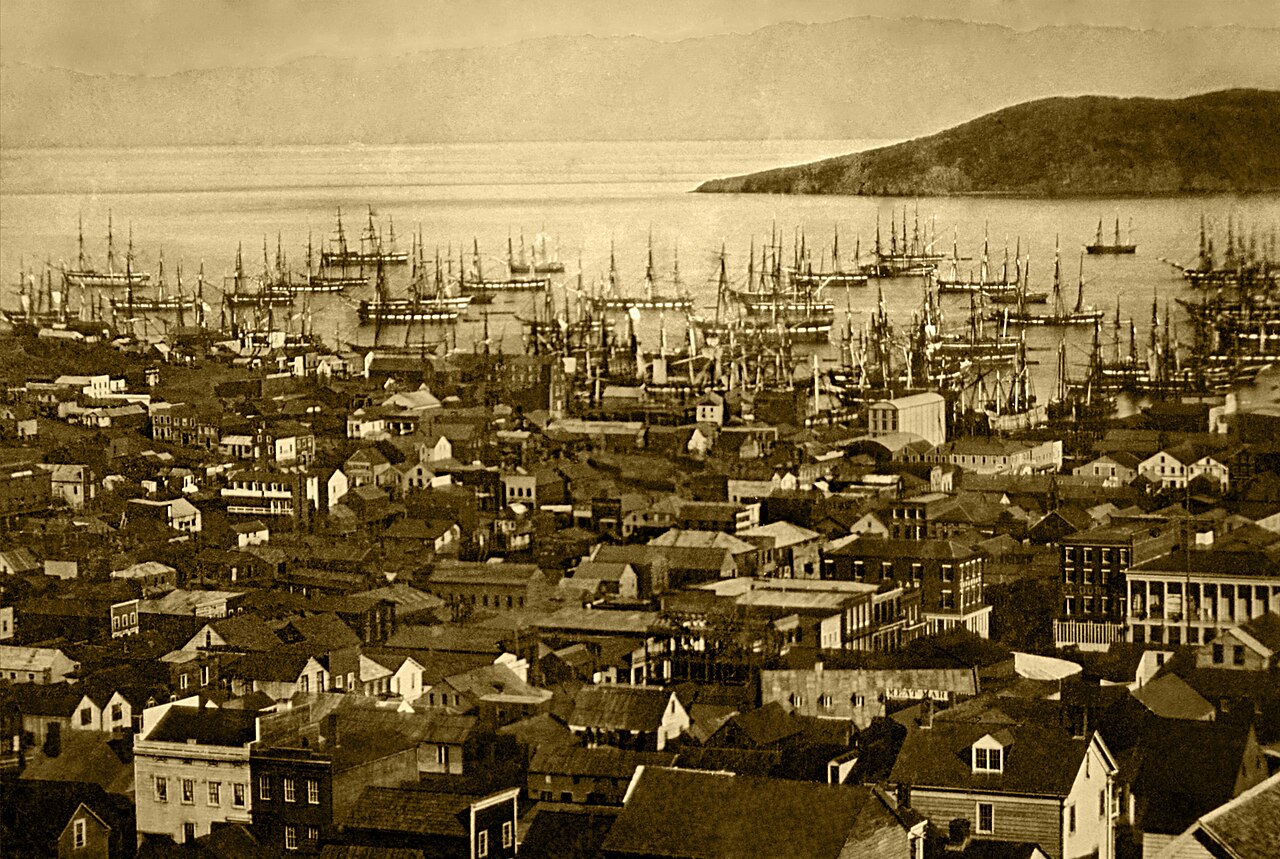
The discovery is attributed to James W. Marshall, who found gold while helping construct a water-powered sawmill for John Sutter. News of the find spread quickly by word of mouth, newspaper reports and letters, prompting thousands to travel to California in 1849 — the so-called "forty-niners." The first arrival waves were largely individual prospectors, but growing knowledge of richer deposits encouraged larger, better-equipped groups and companies.
Mining methods and the economy
Mining began with simple techniques and progressed to large-scale operations as surface deposits were exhausted. Common methods included:
- Panning and cradling—manual separation of gold from river sediments by individuals.
- Sluice boxes and rocker boxes—devices that used flowing water to concentrate gold.
- Hydraulic mining and dredging—industrial methods that used water pressure and machinery to move vast quantities of earth.
The Gold Rush stimulated ancillary businesses: merchants, shipbuilders, bankers, and suppliers all profited. Notable entrepreneurs such as Levi Strauss found opportunities supplying durable clothing, including what came to be known as denim jeans. Many who made fortunes in commerce or services left lasting institutions in cities like San Francisco.
Social and political impacts
The rapid population increase brought diverse migrants from other parts of the United States and from abroad, including Latin America, Europe, Australia and Asia. This demographic shift accelerated California's admission to the United States as a state. At the same time, Native American communities suffered severe dislocation and population loss due to disease, dispossession and violence. Boomtowns rose and fell quickly, creating fluid social orders where law, property rights and local governments evolved in response to the fast-changing economy.
Environmental effects and legacy
Mining methods—especially hydraulic mining—left lasting environmental damage: altered river channels, deforested slopes and sedimentation that affected agriculture and shipping. By the mid-1850s the easy-to-reach surface gold had largely been extracted and the initial rush slowed. Many prospectors moved into other industries such as agriculture, ranching, urban trade, or further mining regions. The Gold Rush remains a pivotal episode in California history for its role in economic development, population growth and the transformation of the American West.
Notable distinctions and facts
- Forty-niners is the common name for the migrants who arrived in 1849; they included people from many nations and cultures.
- While a few individuals became wealthy from striking gold, a larger number profited by providing goods and services to miners.
- The period accelerated California's political integration into the United States and set patterns of settlement still visible today.
Related articles
Author
AlegsaOnline.com California Gold Rush Leandro Alegsa
URL: https://en.alegsaonline.com/art/16122