
Colonization: history, forms, impacts and modern perspectives
Colonization is the process by which one polity settles and exerts control over another territory. This article surveys forms, historical examples, effects on indigenous peoples, decolonization and speculative space colonization.
Overview
Colonization describes the process by which one state or political power establishes control over a territory beyond its original borders, often settling people there and exercising authority as new rulers. The practice has taken many shapes across human history: from the foundation of distant trading settlements and colonies by city-states to the expansion of empires that governed far-flung lands. An early example often cited is the movement of settlers from Ancient Greece, who founded new towns across the Mediterranean and Black Sea to secure resources and trade.
Image gallery
7 Images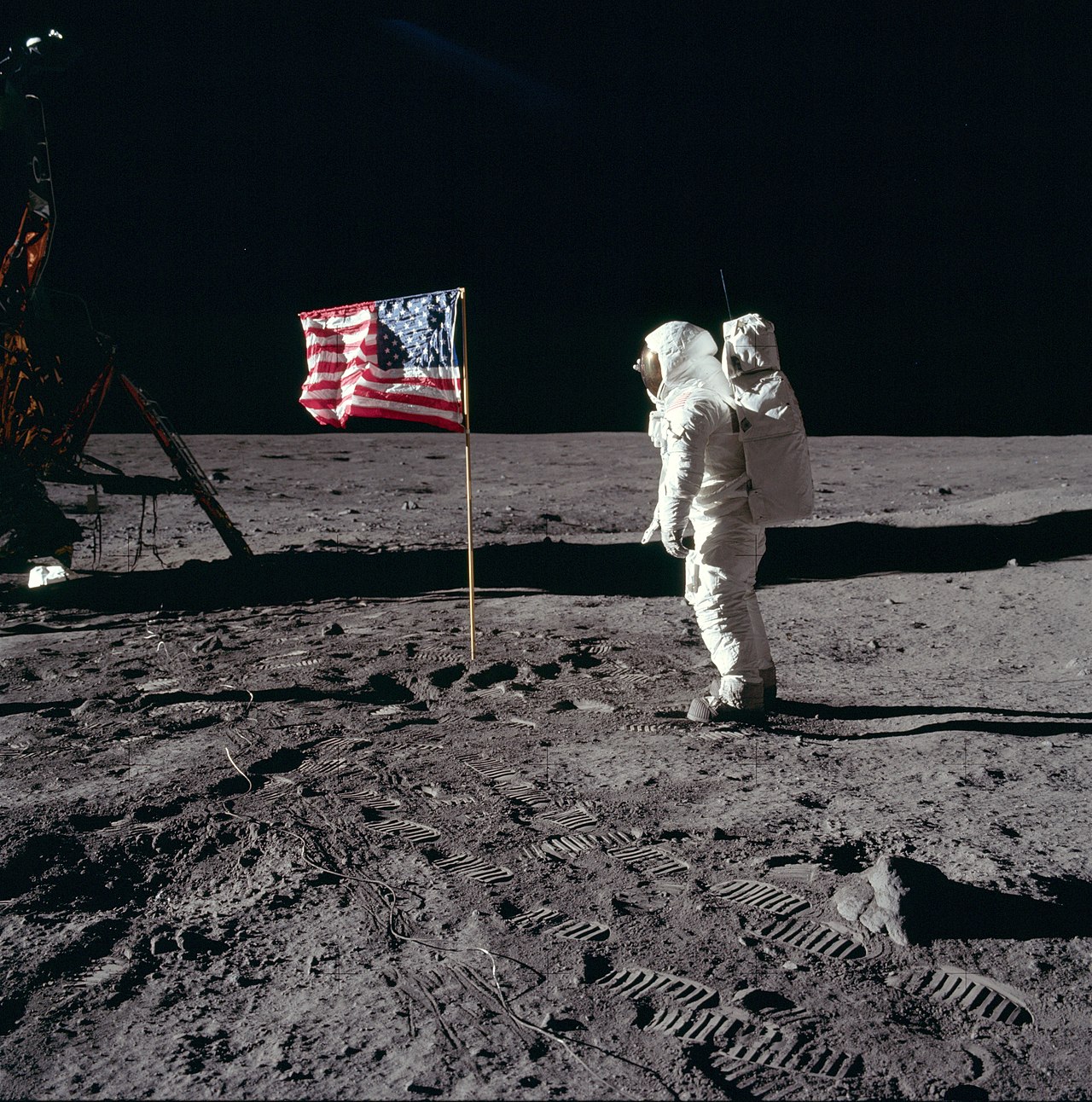



Forms and motivations
Colonizing ventures can be classified by their primary aims and methods. Motivations typically included economic gain, access to land and resources, strategic advantage, and religious or cultural missions. Key forms include:
- Settler colonialism: incoming populations establish permanent residence and often displace or marginalize indigenous communities.
- Exploitation colonialism: control chiefly to extract resources, wealth, and labor for the metropole.
- Plantation systems: large-scale agriculture dependent on coerced or enslaved labor.
- Commercial outposts and protectorates: trading posts or indirect rule to secure commerce and influence.
Historical outline and major examples
Long-distance colonization intensified in the early modern period. The voyage associated with 1492 and the landing often attributed to Christopher Columbus opened sustained contact between Europe and the Americas. Over subsequent centuries, many European powers established colonies in what are now North America and South America, and later in Africa, Asia and Oceania. These expansions reshaped global trade routes, demographic patterns and political boundaries. Other historical episodes of colonization include Roman provincial expansion, medieval Islamic caliphates, and inland colonization within continents.
Consequences and legacy
Colonization produced profound and often traumatic changes. Indigenous populations frequently faced dispossession, forced labor, warfare and exposure to novel diseases, with large demographic losses. Economies were reorganized to serve colonial metropoles, producing patterns of dependency still debated today. Cultural consequences include language shifts, missionary conversions, legal and administrative systems transplanted from colonizing powers, and the creation of hybrid identities. The colonial period also generated resistance, adaptation and cultural survival among colonized peoples.
- Demographic shifts: population decline among indigenous peoples, migration and settler communities.
- Cultural and linguistic transformation alongside local continuity and syncretism.
- Economic legacies: infrastructure, uneven development and resource networks tied to former colonizers.
- Political outcomes: independence movements, state formation, and ongoing disputes over rights and restitution.
Decolonization, reparations and contemporary debates
The 19th and 20th centuries saw waves of independence struggles and formal decolonization, but postcolonial states often faced continued economic and political influence from former powers. Scholars and activists use terms such as "neocolonialism" to describe contemporary forms of domination that do not require formal territorial control. Debates continue over historical responsibility, restitution, cultural memory, and legal mechanisms for addressing past injustices.
Colonization in science, policy and culture
Beyond history and politics, the concept of colonization appears in discussions of future human activity and in fiction. Proposals and ethical debates about space colonization consider whether humans should establish settlements on other planets, moons or artificial habitats, and what governance, environmental and moral rules should apply. Concepts of orbital habitats and long-term human presence include designs for space stations and planetary bases.
In popular culture, science fiction and other stories explore colonization as metaphor and plot device: depictions range from human pioneers seeking new frontiers to warnings about exploitation and cultural erasure. Some narratives invert the pattern, imagining nonhuman intelligences or machines colonizing Earth or human environments; such themes appear in works that resonate with ideas in films like The Matrix. These speculative treatments help societies reflect on the ethics of expansion, sovereignty and the rights of those affected by colonizing projects.
Further study
Understanding colonization requires multidisciplinary study: history, anthropology, law, economics and environmental science all contribute perspectives. Readers interested in primary sources, legal cases, or contemporary policy debates should consult specialized books, peer-reviewed research and archives as starting points for deeper research.
Tags
Related articles
Author
AlegsaOnline.com Colonization: history, forms, impacts and modern perspectives Leandro Alegsa
URL: https://en.alegsaonline.com/art/21722