
Cod Wars: Iceland–United Kingdom fishing disputes over North Atlantic waters
A neutral overview of the Cod Wars—mid‑20th century disputes between Iceland and the United Kingdom over fishing zones, enforcement methods, naval involvement, and their influence on modern maritime law.
Overview
The Cod Wars were a series of confrontations between Iceland and the United Kingdom concerning access to rich fishing grounds in the North Atlantic. In Icelandic the events are often called Þorskastríðin ("the cod wars") or Landhelgisstríðin ("wars for the territorial waters"). The informal English name probably echoes the Cold War with a pun on cod and received wide attention in the British press, including popular tabloids such as the British tabloid press that helped publicize the incidents.
Image gallery
10 Images






Context and causes
Fishing has been central to Iceland's economy and culture, and control of nearby fisheries became a national priority as catches declined and foreign fleets grew. Iceland began asserting wider jurisdiction over adjacent seas to limit over-fishing and to conserve stocks. These extensions challenged long-standing access by British trawlers and other foreign vessels, creating recurring diplomatic and sometimes physical confrontations.
How the disputes unfolded
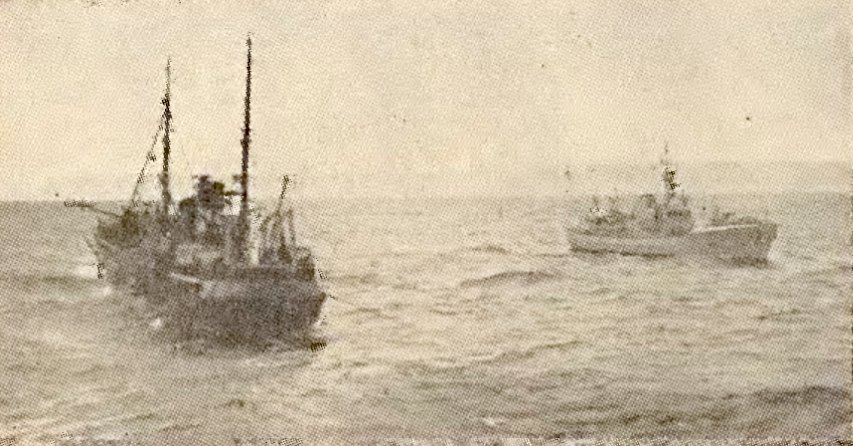
The clashes were largely non‑lethal but could be aggressive. Icelandic authorities used their coast guard to enforce national rules and a domestic quota system, employing tactics such as cutting trawl nets and attempting to sever lines. British fishing vessels pushed to retain traditional grounds and were sometimes escorted by naval vessels from the Royal Naval service and by privately hired tugs to protect crews and gear. Episodes that drew attention included direct confrontations at sea, maneuvers that risked ramming, and the seizure or boarding of ships in disputed zones.
Major phases and timeline
- Early disputes in the 1950s and 1960s when Iceland extended its territorial claim beyond historic limits.
- A sharper round in the early 1970s when Iceland again extended its maritime jurisdiction; this phase featured frequent net‑cutting and diplomatic protests.
- A final phase in the mid‑1970s culminating in negotiated arrangements that limited the number of foreign trawlers allowed in certain zones.
These episodes are commonly grouped into three principal confrontations, often referred to as the First, Second and Third Cod Wars, each prompted by successive unilateral Icelandic extensions of control into what had been regarded as international fishing areas.
Outcomes and significance
Although the disputes rarely escalated into open combat, they had lasting effects on fisheries policy and maritime law. Iceland used political leverage and persistent enforcement to secure greater exclusive access to nearby stocks. A practical consequence was the negotiation of limits on foreign fishing and temporary arrangements restricting the number of trawlers allowed inside newly claimed zones.
More broadly, the Cod Wars were an important episode in the development and acceptance of extended maritime claims. The idea of Exclusive Economic Zones (EEZs) that grant coastal states special rights to resources within a set distance from shore gained momentum during the late 20th century. The broad international framework for such zones was shaped by the United Nations Convention on the Law of the Sea; the third convention concluded in 1982 and entered into force in the 1990s as UNCLOS, which formalized many principles that underpinned later recognition of 200‑nautical‑mile limits.
Legacy and notable facts
The Cod Wars illustrate how a small coastal state used both law and maritime enforcement to protect vital natural resources. They also show the practical difficulties of balancing fishing interests, conservation, and international navigation. Iceland's assertive approach influenced later global acceptance of extended economic zones, and the episodes remain a frequently cited case study in fisheries management, maritime enforcement, and the interaction between national policy and international law.
For further reading about terms and Icelandic names see Icelandic sources, and for historical context consult materials on the Iceland–UK relations. Background on naval involvement and Cold War era press coverage is discussed in accounts referencing the Royal Naval role and contemporary reporting in the British tabloid press. For maritime law and the global shift toward exclusive economic zones, review documents linked to UNCLOS and discussions about the legal status of territorial waters and EEZs. The disputes underscore efforts to limit over-fishing and to administer national quota regimes enforced by coastal authorities such as the coast guard.
Related articles
Author
AlegsaOnline.com Cod Wars: Iceland–United Kingdom fishing disputes over North Atlantic waters Leandro Alegsa
URL: https://en.alegsaonline.com/art/21363