
Sailing ship: design, history, and modern roles
Large wind‑powered vessel typically with multiple masts and complex rigging; central to maritime trade, exploration and warfare from the Age of Sail and now preserved for training, racing and recreation.
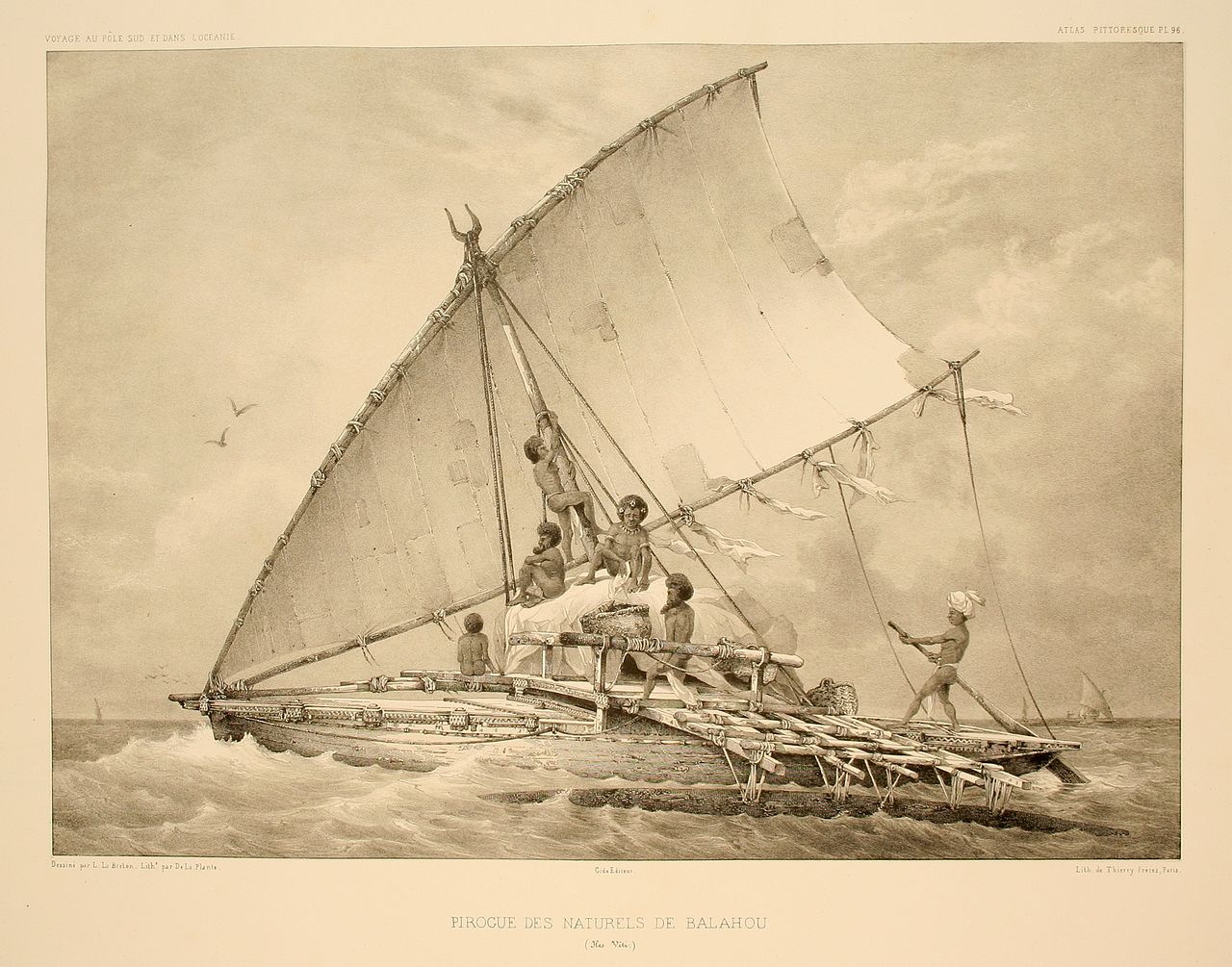
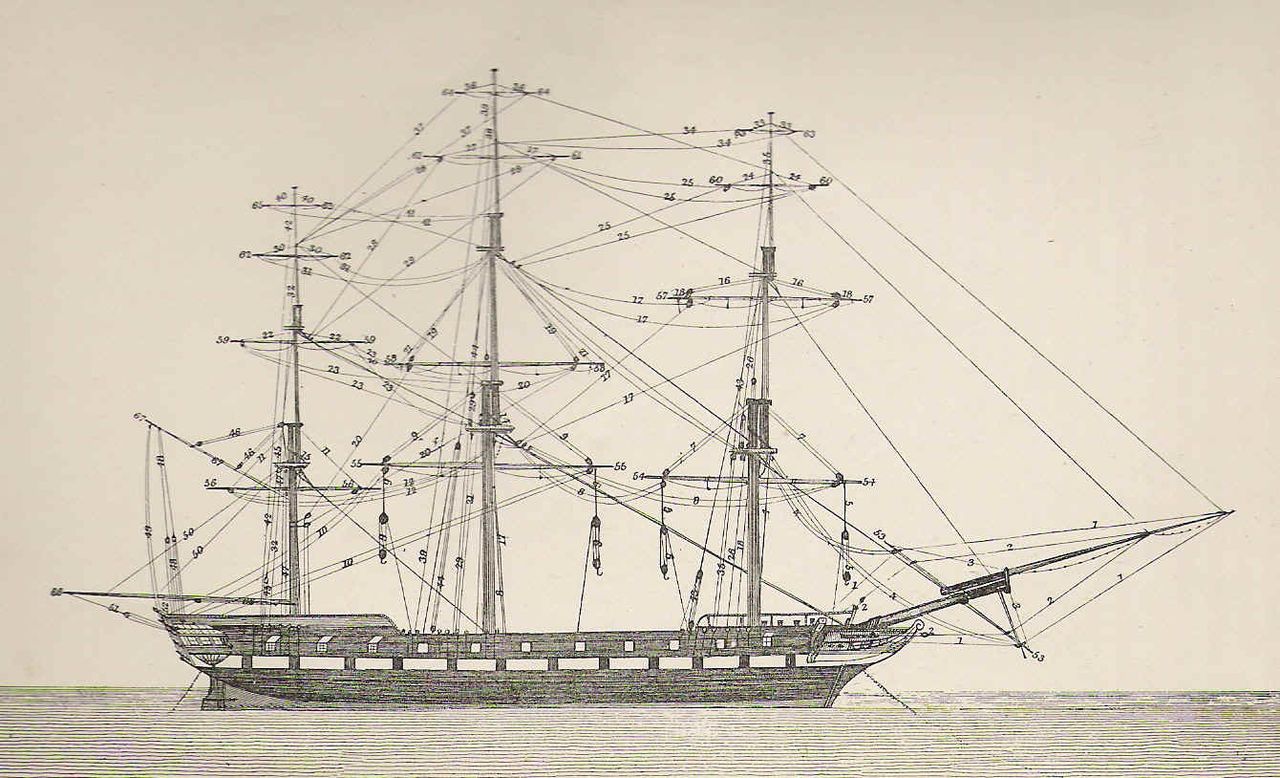
A sailing ship is a large vessel whose primary means of propulsion is sails set on masts and spars that catch the wind. When sails are adjusted to the wind, aerodynamic and pressure forces move the hull through the water. Traditionally the term "ship" implied a specific sail plan: a vessel with three or more masts and a square rig on the principal masts is often called a full‑rigged ship, a definition found in older maritime usage and reference works see definition. The mechanics of sail handling, rigging and hull design determine speed, handling and seaworthiness.
Image gallery
10 Images



Characteristics and main components
Large sailing ships combine hull form, masts, sails and an intricate network of ropes (standing and running rigging). Common components include:
- Hull and keel: the body of the vessel that provides buoyancy and directional stability.
- Masts and spars: vertical and horizontal supports for the sails.
- Sails: square sails and fore‑and‑aft sails are arranged to make best use of prevailing winds.
- Rigging: ropes and blocks used to raise, trim and secure sails.
- Decks and fittings: areas for cargo, crew operations, and weapons in naval vessels.
Different sail plans produce different handling characteristics: square‑rigged ships excel on open ocean downwind passages, while fore‑and‑aft rigs allow superior windward performance and maneuverability.
History and development
Large sailing ships dominated long‑distance seafaring from roughly the 15th century through the mid‑19th century, an era often called the "Age of Sail." They carried explorers, colonists, merchants and naval forces and enabled global trade networks and imperial expansion. Iconic types include galleons, frigates, clippers and merchantmen, each evolved for cargo capacity, speed or combat. Improvements in hull form, sail plans and navigation techniques steadily increased safety and range. The wide adoption of steam propulsion in the 19th century greatly reduced sailing ships' commercial and military dominance as steam offered more reliable schedules and independence from wind steam era.
Throughout the Age of Sail ships served multiple roles: transporting commodities and people, projecting naval power, and enabling exploration and scientific voyages. They were central to economic systems such as long‑distance trade routes and also to migration patterns across oceans trade routes and naval history.
Modern use, preservation and distinctions
Today most large commercial and military vessels use engines, but sailing ships survive in several contexts. Smaller sailboats—often called yachts or sailboats—serve recreational and competitive purposes yachts and sailboats. Historic full‑rigged ships are preserved as museum ships or used for sail training and cultural events, and recreational sailing remains popular for leisure and sport leisure sailing. Tall ship festivals, racing and education keep traditional seamanship skills alive.
Key distinctions to remember: "sailing ship" historically refers to large, multi‑masted, ocean‑going vessels with complex rigs, while smaller craft used for sport or local cruising are generally called yachts or sailboats. Technological advances—rigging materials, sail design and modern navigation—have transformed how sails are used, but the basic principle remains wind harnessing for propulsion.
Related articles
Author
AlegsaOnline.com Sailing ship: design, history, and modern roles Leandro Alegsa
URL: https://en.alegsaonline.com/art/85303