
Christian mission
Organized efforts by Christian churches to spread faith and serve communities worldwide through evangelism, education and humanitarian work; historically complex and often ethically debated.
Christian mission describes organized efforts by Christian churches and groups to share the Christian faith and support communities beyond their immediate congregations. While conversion is often a stated objective, mission activities have long combined spiritual teaching with practical service—education, medical care and social development—to address material needs alongside religious ones.
Image gallery
9 Images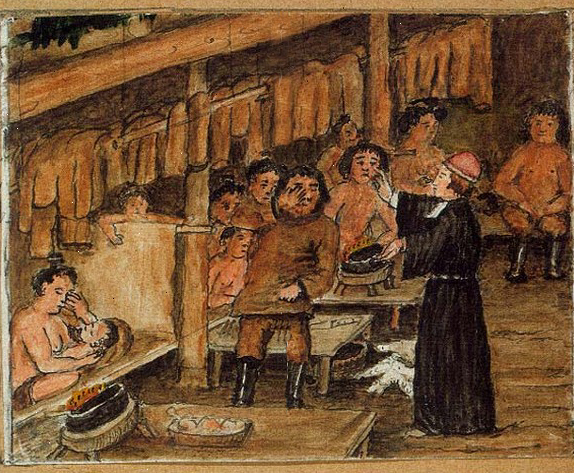


Activities and methods
Mission work takes many forms depending on theological emphasis, cultural context and available resources. Traditional activities include preaching and evangelisation, church planting, translation of religious texts and training local leaders. Mission personnel—often called missionaries—may be ordained clergy such as priests who can administer sacraments, or they may be lay workers, teachers, health professionals and volunteers. Effective missions frequently combine spiritual ministries with long-term service projects to build trust and local capacity.
- Religious instruction, worship and sacraments
- Education, literacy and language work
- Healthcare, public health and community development
- Humanitarian relief and advocacy
History and development
Christian mission has roots in the early centuries of the church and has evolved through many phases: medieval monastic outreach, missionary expansion in the age of exploration, and institutional missionary societies from the 18th century onward. In many regions the history of missions is intertwined with European expansion and colonial enterprises, a relationship that shaped both the spread of Christianity and local responses to it.
Controversies and ethical concerns
Missionary activity has provoked debate and criticism. Critics point to practices such as forced baptisms or aggressive proselytism, the undermining of indigenous cultures, and the unequal power dynamics that sometimes accompany aid. Scholars and practitioners distinguish between consent-based, pastoral outreach and coercive or incentive-driven conversion efforts; the latter raise serious ethical questions.
Modern trends and partnerships
Contemporary mission efforts often emphasize partnership with local churches, cultural sensitivity and sustainable development. Many denominations prioritize training and empowering indigenous leaders rather than replacing them. An example of cross-border partnership is the way some Lutheran bodies—such as Evangelical-Lutheran organizations—work with churches in countries like Tanzania and send teams to neighboring nations such as Mozambique to assist with pastoral formation and community projects.
In practice, mission remains diverse: from long-term vocational missionaries to short-term volunteer teams, from evangelistic outreach to humanitarian partnerships. Debates continue about best practices, especially how to respect local cultures while bearing witness to religious convictions. Thoughtful mission today seeks accountability, local leadership and an emphasis on mutual respect between senders and recipients.
Related articles
Author
AlegsaOnline.com Christian mission Leandro Alegsa
URL: https://en.alegsaonline.com/art/20095