
Christian symbolism: meanings, history, and common forms
Overview of symbols used in Christianity to express beliefs, their historical development, common motifs, and roles in worship, art, and personal devotion.
Overview
Christian symbolism refers to visual, verbal, and ritual signs that convey theological ideas, moral teachings, or spiritual realities within the Christian tradition. Symbols condense complex doctrines—about God, Christ, salvation, and the church—into recognizable forms that engage both reason and feeling. For explanation and further context see theological resources and studies of liturgical symbolism.
Image gallery
10 Images


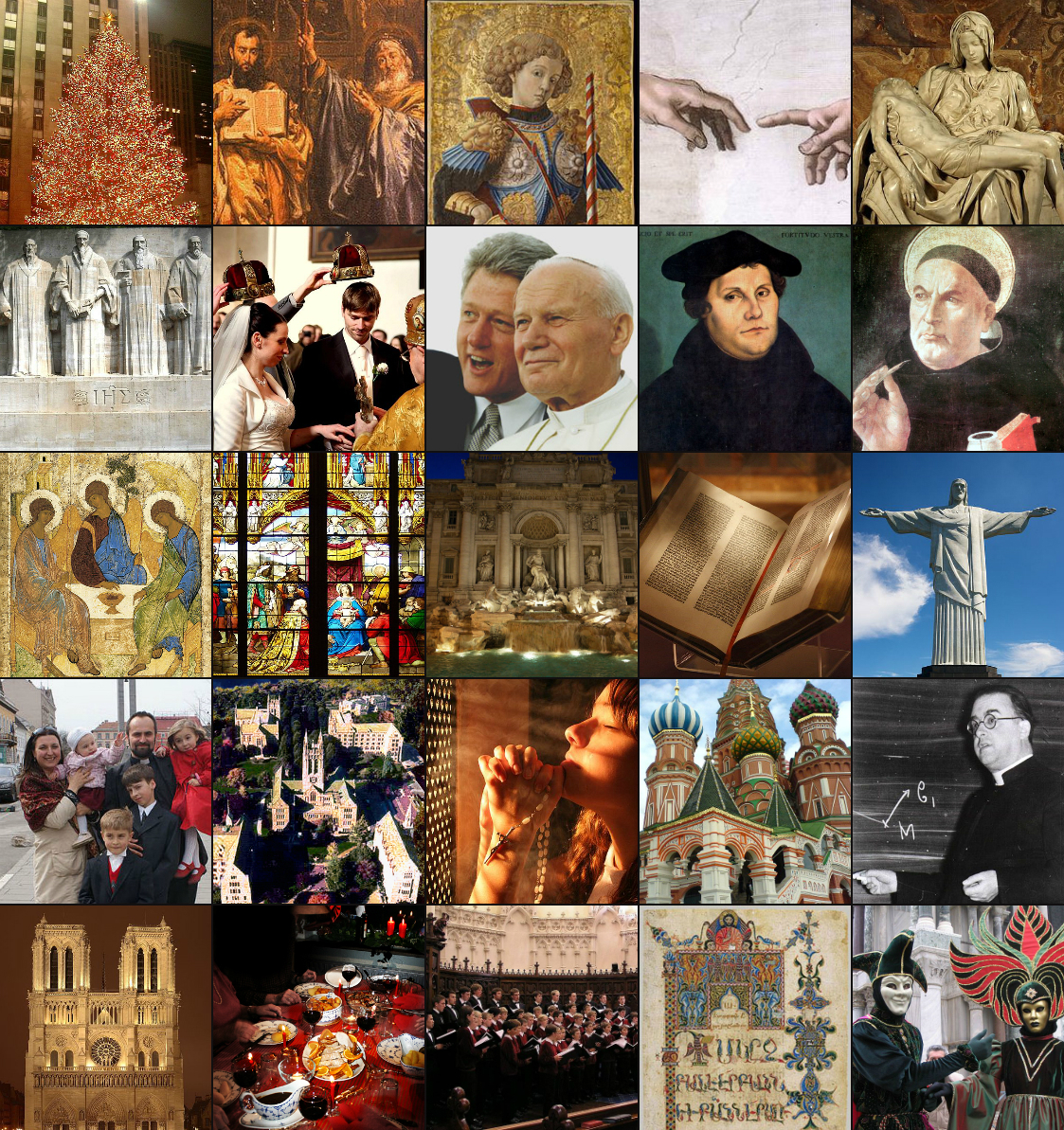
Characteristics and how symbols function
Unlike plain signs that label objects, religious symbols participate in the reality they signify: they evoke memory, shape identity, and invite moral or sacramental response. Symbols may be durable objects (a cross, a chalice), gestures (signing with the hand), colors, or images. Because many symbols are shared across cultures, Christian communities often adapt or reinterpret signs to express specific beliefs while avoiding ambiguity.
Historical development
The use of symbolic forms in Christianity developed gradually. Early Christians used simple marks and familiar motifs to identify communities and express faith covertly. Over centuries—through the patristic era, medieval liturgy, Renaissance art, and Reformation debates—symbolic vocabularies expanded and were sometimes contested. The relationship between symbol and doctrine has been a topic in teaching, devotional practice, and ecumenical dialogue; see discussions in religious art and canon studies.
Common symbols and their typical meanings
- Cross: central sign of Christ's death and resurrection; many styles signify different traditions.
- Fish (Ichthys): early Christian emblem linked to Christ and baptismal identity.
- Dove: symbol of the Holy Spirit and peace, often used in sacramental imagery.
- Chi‑Rho, Alpha and Omega: abbreviated Christogram and titles expressing Christ's divinity and eternity.
- Colors and seasons: liturgical colors mark seasons such as Advent, Lent, and Easter and express theological moods.
Uses in worship, art, and daily life
Symbols shape architecture, vestments, icons, stained glass, and sacramental actions. In worship they orient communal memory and ritual participation; in art they teach stories to the visually literate; in personal devotion they serve as reminders of commitment and comfort. Scholars and practitioners often consult guides and catechisms when selecting or explaining symbols; for practical examples consult educational materials and museum collections or galleries indexed at resource listings.
Distinctions and notable points
Not every emblem carries a single, fixed meaning—context, denomination, and historical usage affect interpretation. Some symbols are shared with other religions or secular cultures and acquire new layers of meaning in Christian use. Awareness of this plurality helps avoid simplistic readings and supports informed, respectful engagement with religious imagery across traditions.
Questions and answers
Q: What is Christian symbolism?
A: Christian symbolism is the use of objects or actions to convey Christian ideas and beliefs.
Q: What is the effect of religious symbolism?
A: Religious symbolism has an effect on both the intellect and emotions of individuals.
Q: What makes it difficult to choose a symbol for Christian symbolism?
A: The choice of actions and objects for Christian symbolism is very limited, making it hard to choose a symbol that is not already used by other religions and traditions.
Q: How does Christian symbolism differ from other forms of symbolism?
A: Christian symbolism is unique in that it specifically conveys Christian ideas and beliefs, whereas other forms of symbolism may be used to convey a variety of meanings.
Q: Why is Christian symbolism important in religious practices?
A: Christian symbolism is important in religious practices because it helps to reinforce Christian beliefs and communicate them to believers.
Q: How does Christian symbolism affect individuals' understanding of Christianity?
A: Christian symbolism can have a profound impact on individuals' understanding and appreciation of Christianity, helping to deepen their faith and connection to the religion.
Q: What are some examples of objects or actions that are commonly used in Christian symbolism?
A: Some examples of objects or actions that are commonly used in Christian symbolism include the cross, fish, dove, and bread and wine.
Related articles
Author
AlegsaOnline.com Christian symbolism: meanings, history, and common forms Leandro Alegsa
URL: https://en.alegsaonline.com/art/20107
Sources
- hirr.hartsem.edu : "Content Pages of the Encyclopedia of Religion and Social Science"
- newadvent.org : "Symbolism"
- newadvent.org : "Symbolism of the Fish"
- tools.wmflabs.org : John 21:9
- ccel.org : ANF04. Fathers of the Third Century: Tertullian, Part Fourth; Minucius Felix; Commodian; Origen, Parts First and Second | Christian Classics Ethereal Library
- earlychristianwritings.com : Stromata, book VI, chapter XI
- newadvent.org : Apology., chapter xvi.
- ccel.org : De Corona, chapter 3
- newadvent.org : "Sacraments"