
Missionary: religious outreach, activities, history, and modern context
An overview of missionaries: who they are, common activities (evangelism, education, medical work), historical development, notable figures, and contemporary debates and practices.
Overview
A missionary is someone who seeks to spread a religious belief or convert people to a faith other than their own. Missionary work occurs in many traditions and often combines preaching with social services. In some faiths the task of outreach is formalized, in others it is part of individual devotion. The practice has shaped cultural and religious encounters across regions and eras, and appears among many world traditions.
Image gallery
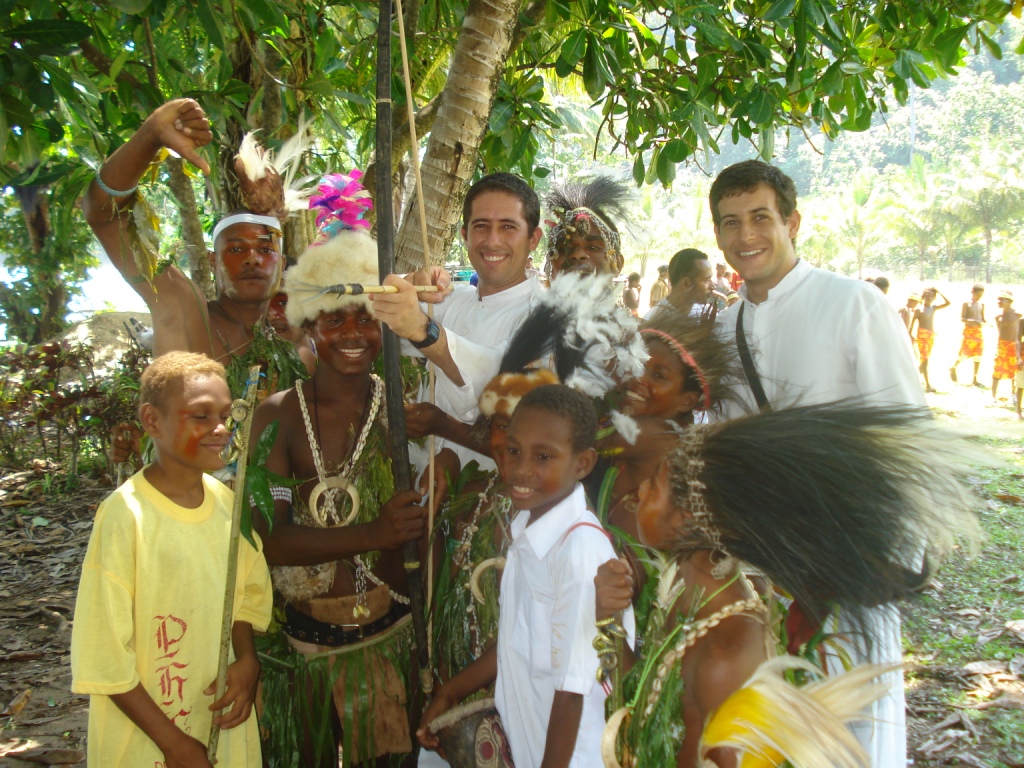
10 Images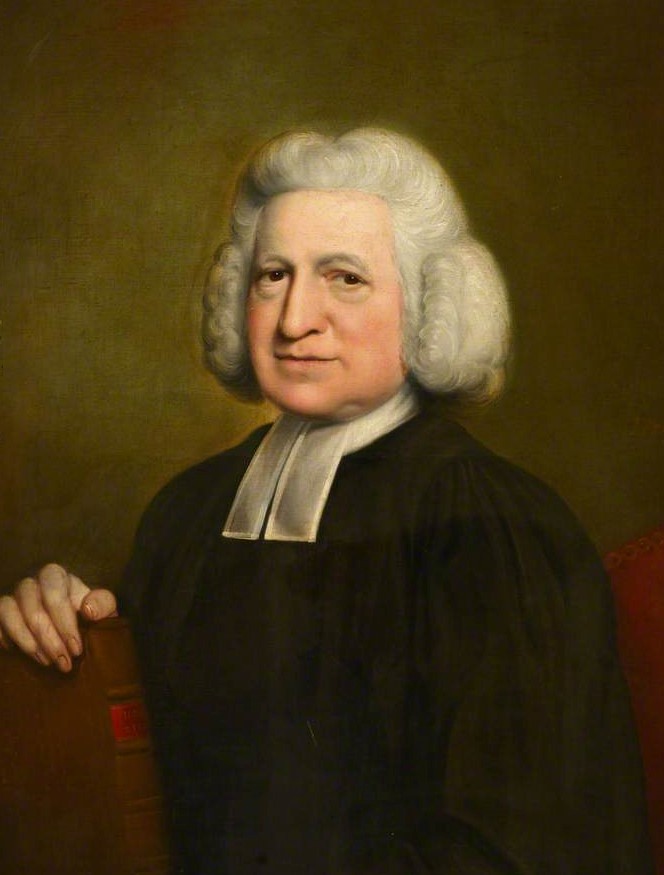





Common roles and activities
In Christianity the public proclamation of the faith is commonly called Christianity evangelism, but missionaries typically engage in a broader range of work. Typical activities include:
- Preaching, teaching, and forming new congregations.
- Education: founding and running schools, literacy programs, and vocational training.
- Medical and public-health services such as delivering medicines and helping to cure diseases, operating clinics, or training local health workers.
- Community development, disaster relief, and social services.
History and notable figures
Missionary activity has a long history. Early Christian missionaries traveled beyond their home regions; later centuries saw organized missionary societies emerge in many countries. Other religions have had comparable efforts: Islamic daʿwah, Buddhist propagation, and Hindu outreach activities are examples. Well-known historical figures associated with missionary work include apostolic missionaries of early Christianity, explorers who combined travel and mission, and modern reformers and social workers. Examples often cited are Paul the Apostle, St. Patrick, Francis Xavier, Matteo Ricci, William Carey, David Livingstone, Hudson Taylor and Mother Teresa, each remembered for different blends of preaching, translation, education and humanitarian service.
Controversies and distinctions
Missionary work has generated debate. Supporters view it as spiritual calling and an engine for social services and education. Critics point to cultural insensitivity, coercion, or ties to colonial power when conversion accompanied political or economic dominance. Contemporary organizations increasingly separate humanitarian aid from proselytism and emphasize partnership, informed consent, and respect for local cultures.
Modern practice and significance
Today missionary activity ranges from full-time overseas service to local outreach. Some groups operate through churches and religious orders, while others work with non-governmental and interfaith organizations. The field continues to evolve toward professional training, ethical guidelines, and cooperation with local communities. For general reference and further reading, consult sources that treat religious outreach, health missions, and the history of cross-cultural religion in greater detail.
Learn more • Christianity • Evangelism • Medicines • Cure diseases • World religions
Related articles
Author
AlegsaOnline.com Missionary: religious outreach, activities, history, and modern context Leandro Alegsa
URL: https://en.alegsaonline.com/art/65482