
Worship practices in Christianity: liturgy, sacraments, and communal devotion
Overview of Christian worship practices—liturgy, sacraments, prayer, music and communal devotion—examining theological meaning, historical development, and how practices vary across denominations and contexts.
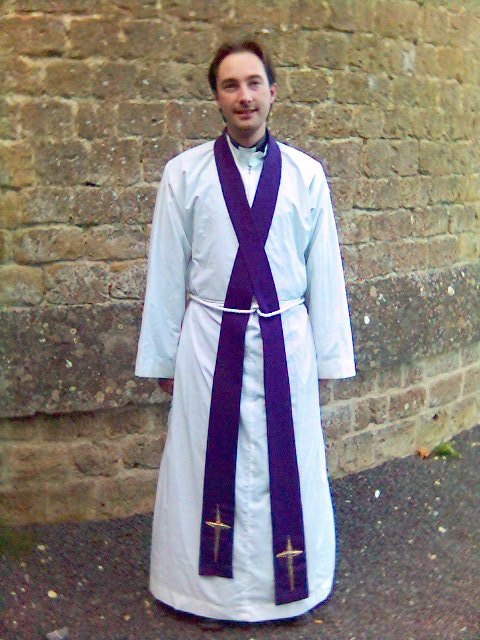
Worship in Christianity is commonly regarded as a defining expression of the faith. Across traditions, believers gather, pray, sing, and celebrate rites that communicate what communities understand about God and the human calling. For many, public and private acts of devotion shape both personal piety and communal identity.
Image gallery
9 Images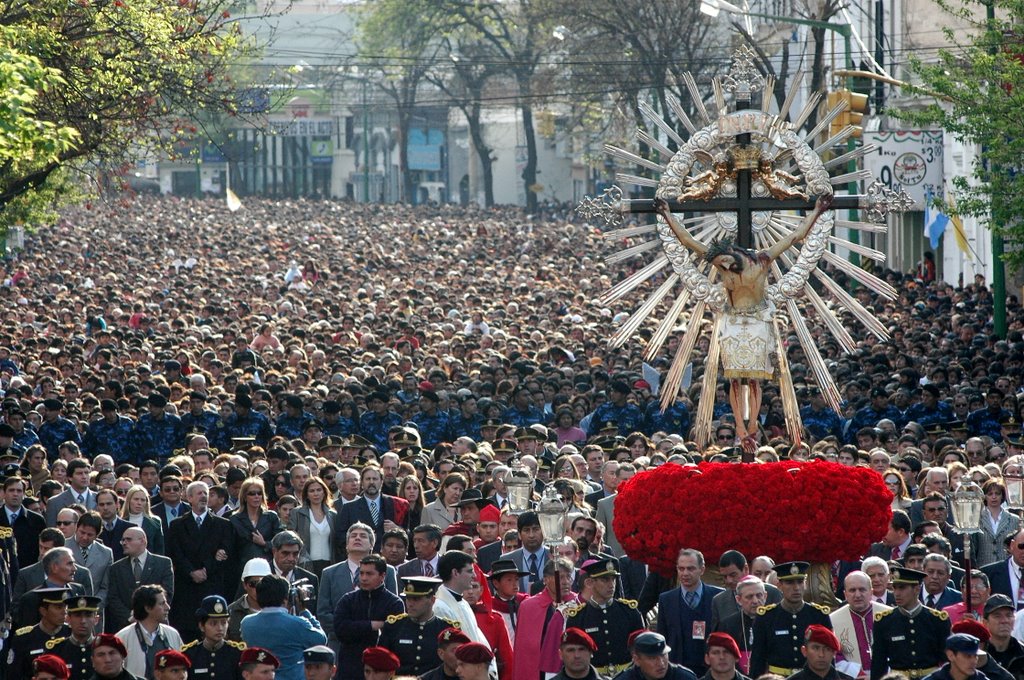



Theological perspective
Some theologians describe humanity with the Latin phrase homo adorans — literally "the worshipping person" — to emphasize that the capacity and orientation to worship are essential aspects of human life. From this viewpoint, the worship of God is not merely an optional activity but a central way people find purpose and meaning.
Historical development
Worship practices have changed over history, adapting to cultural contexts while preserving core elements. Different eras and movements within Christianity have emphasized varied forms of worship: ritualized liturgy and sacraments in some branches, spontaneous prayer and song in others. These developments reflect both continuity and diversity in how believers relate to the divine.
Who participates
Participation in worship is a defining feature for many Christians, whether expressed in congregational services, small groups, or individual devotion. Theologies differ about what constitutes authentic worship, but most Christian traditions see worship as central to faith formation, moral teaching, and communal life.
Forms and functions
- Corporate gatherings (services, liturgies) provide communal expression of belief and shared rituals.
- Prayer and Bible reading nurture personal relationship and spiritual growth.
- Sacraments or ordinances (such as the Eucharist) serve as focal points for remembrance, thanksgiving, and participation in the life of the faith community.
While practices and emphases vary, the study of Christian worship examines how rituals, language, music, and spaces convey theological convictions and shape the lives of individuals and communities.
Questions and answers
Q: What is worship in Christianity?
A: Worship in Christianity is considered the central act of Christian identity throughout history.
Q: How do most Christians view worship?
A: Most Christians view worship as integral to their identity.
Q: What is the meaning of homo adorans?
A: Homo adorans means "worshipping man."
Q: Why is the worship of God considered central to human identity?
A: Christian theologians believe that the worship of God is at the very centre of what it means to be human.
Q: Who has called humanity homo adorans?
A: Many Christian theologians have called humanity homo adorans.
Q: What is the significance of worship in Christianity?
A: Worship is highly significant in Christianity and is considered a key aspect of Christian identity.
Q: How long has worship been important in Christianity?
A: Worship has been important throughout the history of Christianity.
Tags
Related articles
Author
AlegsaOnline.com Worship practices in Christianity: liturgy, sacraments, and communal devotion Leandro Alegsa
URL: https://en.alegsaonline.com/art/20111