
Christianity in Pakistan
A concise overview of Christianity in Pakistan: demographics, historical origins during British rule, major denominations (including the Church of Pakistan), social roles, and contemporary challenges.
Overview
Christianity is the largest religious minority in Pakistan and represents a small but visible community within the country's religious landscape. Estimates from the early 21st century placed the number of Christians at roughly 2.8 million (about 1.6% of the population) statistics. Christians live across Pakistan but have higher concentrations in some urban centers and in parts of the Punjab province. Languages used in worship and community life commonly include Urdu, Punjabi and English.
Image gallery
10 Images


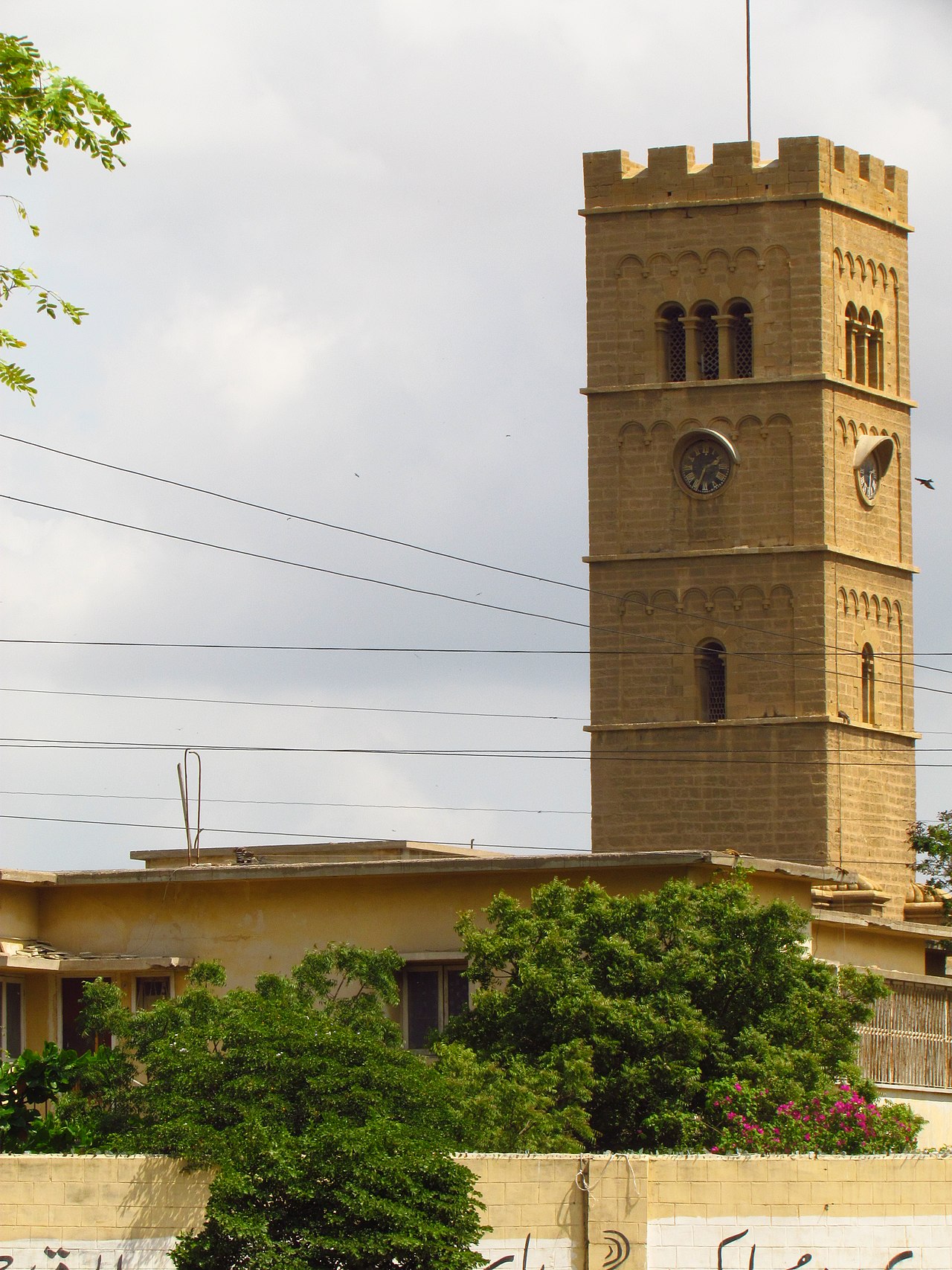


History and origins
The modern Christian presence in what is now Pakistan grew significantly during the period of British colonial rule, when a substantial number of lower-caste Hindus converted to Christianity for a combination of spiritual, social and economic reasons. This historical process is documented in several accounts of conversion during the 19th and early 20th centuries history and is tied to institutions and missionary efforts active in British India. Earlier and later missionary work established schools, hospitals and churches that shaped community life.
Denominations and organization
The Christian population in Pakistan includes both Roman Catholics and a variety of Protestant groups. A notable united Protestant body is the Church of Pakistan, formed through ecclesiastical unions and representing Anglicans, Methodists, Presbyterians and others in a single provincial church structure Church of Pakistan. Beyond denominational identities, ecumenical and civic organizations—including an interdenominational Pakistan Christian Congress—work on communal relations and advocacy.
Community roles and institutions
Christian communities have long contributed to Pakistan's social infrastructure. They run and staff many mission-founded schools, clinics and charitable programs, and are represented among healthcare and education professionals. Christian cultural life is visible in public celebrations such as Christmas and in community-oriented institutions that provide services to people of various faiths.
Characteristics, challenges and notable facts
- Characteristics: a mix of Roman Catholic and Protestant traditions; worship in Urdu, regional languages and English; community networks often centered on parishes and schools.
- Social role: disproportionate presence in teaching and medical professions relative to population share; active involvement in charitable work.
- Notable facts: many present-day Christian families trace their ancestry to converts during the colonial era; Christian organizations engage in interdenominational cooperation.
Contemporary issues
- Legal and social challenges: Christians in Pakistan face discrimination, difficulties in social mobility for some groups, and occasional communal tensions. Advocacy groups press for equal rights and protection.
- Security and rights: incidents of targeted violence and controversies around blasphemy laws have affected parts of the community; these issues draw attention from both domestic and international human rights observers.
- Outlook: while many Christians remain deeply rooted in Pakistan and continue to serve in education and health, migration, activism and local interfaith efforts shape the community's evolving experience.
For further reading and official figures see regional studies and demographic reports that focus on religion in Pakistan and the legacy of religious change during the colonial period.
Related articles
Author
AlegsaOnline.com Christianity in Pakistan Leandro Alegsa
URL: https://en.alegsaonline.com/art/20113
Sources
- adherents.com : adherents.com/adhloc/Wh_266.html
- pakistanchristiancongress.org : pakistanchristiancongress.org/