
Christian Science
A religious movement founded by Mary Baker Eddy in 19th-century New England, emphasizing spiritual understanding, prayer-based healing, and a distinctive interpretation of Christianity and scripture.
Overview
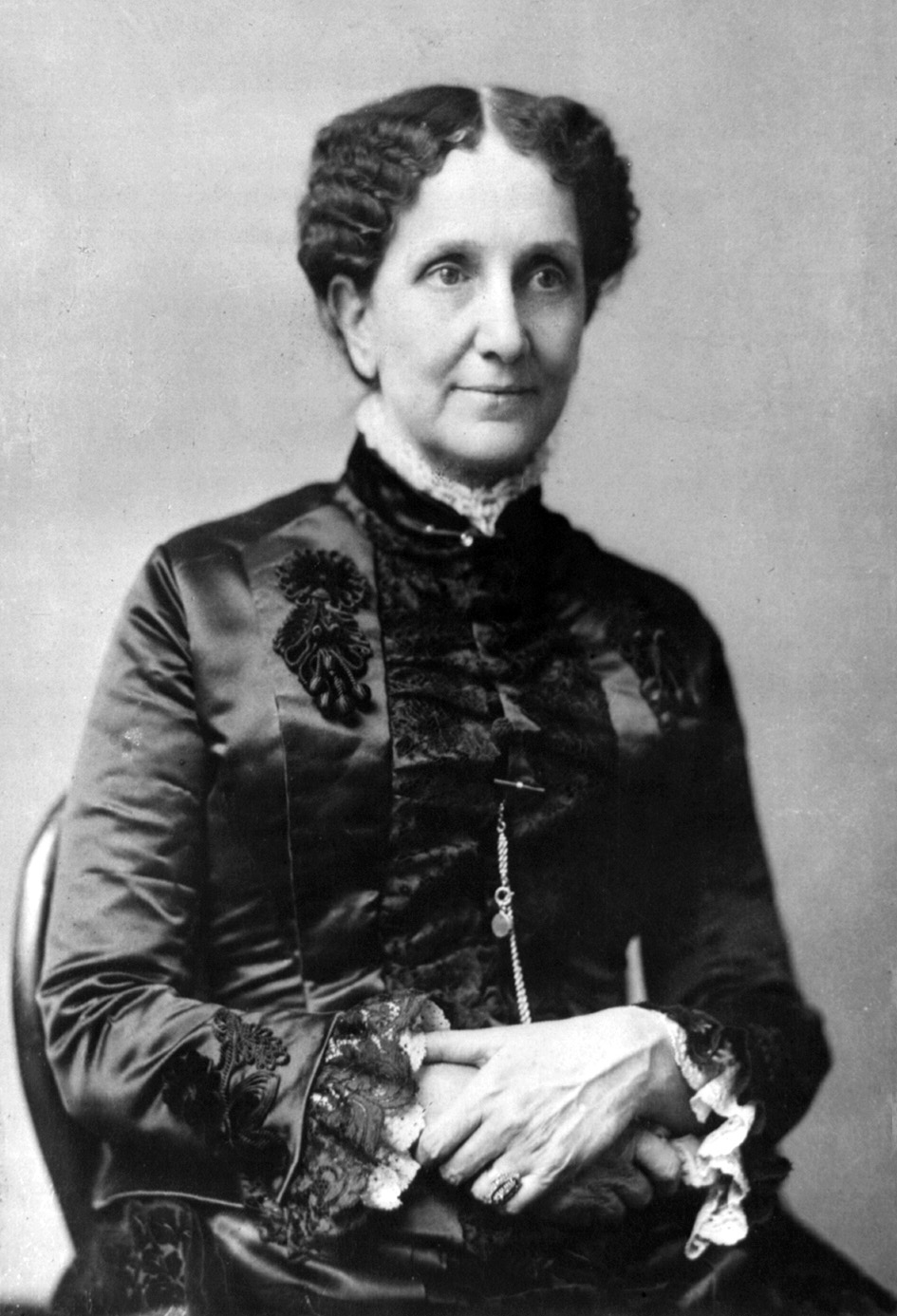
Christian Science is a religious movement that grew out of 19th-century New England and is associated with the writings and leadership of Mary Baker Eddy. The name refers both to a church organization and to Eddy's formulation of a spiritual "science" or law of God intended to restore what she regarded as primitive Christian teaching. It is often characterized as part of broader restorationist currents in American religion that sought to recover early Christian practices and authority.
Image gallery
9 Images




Core beliefs and texts
Adherents hold that God is entirely good and that the spiritual reality he creates is ultimately flawless; material imperfection, including sickness and sin, is therefore treated as an error that can be corrected through correct understanding and prayer. The Bible is central to belief and practice, interpreted alongside Eddy's chief work, Science and Health with Key to the Scriptures, which provides theological exposition and practical guidance for healing prayer. Christian Science emphasizes the supremacy of spiritual law over material conditions and encourages study and demonstration of spiritual truth.
Practices, organization, and institutions
Worship services in Christian Science typically include readings from the Bible and from Eddy's writings, silent and spoken prayer, and testimony of healing experiences. The movement is organized around The First Church of Christ, Scientist and branches of that organization worldwide; a central administrative structure supports local congregations, practitioners (those who provide prayerful help), and teachers. Public reading rooms and study centers have been an important institutional presence in many cities, where books and periodicals are available for study.
History and public initiatives
Christian Science emerged during a period of religious experimentation in the United States and attracted followers through accounts of prayer-based healings and the appeal of a systematic spiritual explanation for life and illness. Over time it established a network of churches, training programs for practitioners, and media efforts including the periodical Christian Science Monitor, which is known for journalism rather than religious instruction. The movement expanded internationally but has also changed in size and public profile through the 20th and 21st centuries.
Controversies and legal issues
The movement's reliance on prayer for healing has generated controversy and legal attention, especially in cases involving children and medical care. Courts and legislatures in various countries have had to balance religious liberty with public health and child welfare, leading to legal disputes and policy adjustments. Christian Science leaders emphasize voluntary cooperation with civil law while maintaining the primacy of spiritual treatment in religious practice.
Distinctive features and contemporary relevance
Christian Science differs from many other Christian traditions in its metaphysical interpretation of sickness and its formal reliance on a single modern author alongside scripture. Its emphasis on mental and spiritual healing has influenced broader cultural conversations about faith and medicine, and its institutions continue to operate in many places. Readers who wish to explore primary sources, institutional materials, or historical accounts can find official church information and scholarly treatments through denominational and academic outlets such as The First Church of Christ, Scientist.
- Main texts: The Bible and Science and Health.
- Practices: Prayer-based healing, testimonies, reading rooms.
- Notable facts: Founded by Mary Baker Eddy; maintains a global network and media legacy.
For more on history, doctrine, institutions, and contemporary developments, consult denominational materials and scholarly studies that balance primary sources with critical context. Additional reading and institutional resources can be located via relevant official and academic links.
Related articles
Author
AlegsaOnline.com Christian Science Leandro Alegsa
URL: https://en.alegsaonline.com/art/20105
Sources
- cityofboston.gov : "Christian Science Center Complex"
- books.google.com : Introducing World Religions: A Christian Engagement
- gutenberg.org : Rudimental Divine Science
- christianscience.com : Science and Health