
Chemical substance: definition, properties, examples and distinctions
An overview of chemical substances: what they are, how composition and purity define them, their physical states, common examples, uses, and how they differ from mixtures and elements.
A chemical substance is any form of matter with a consistent and identifiable chemical composition and set of properties. In strict usage, a substance can be an element or a compound whose composition is the same throughout a sample; that sameness gives it predictable behavior under defined conditions. Chemists distinguish these pure materials from mixtures, where two or more substances are combined without fixed proportion.
Image gallery
10 Images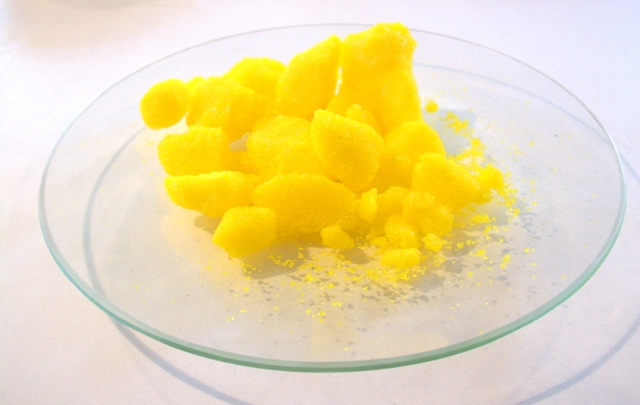
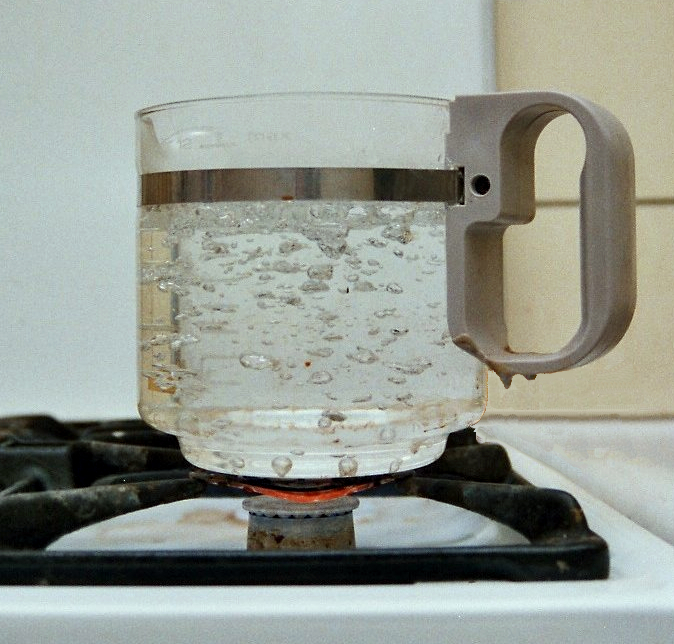
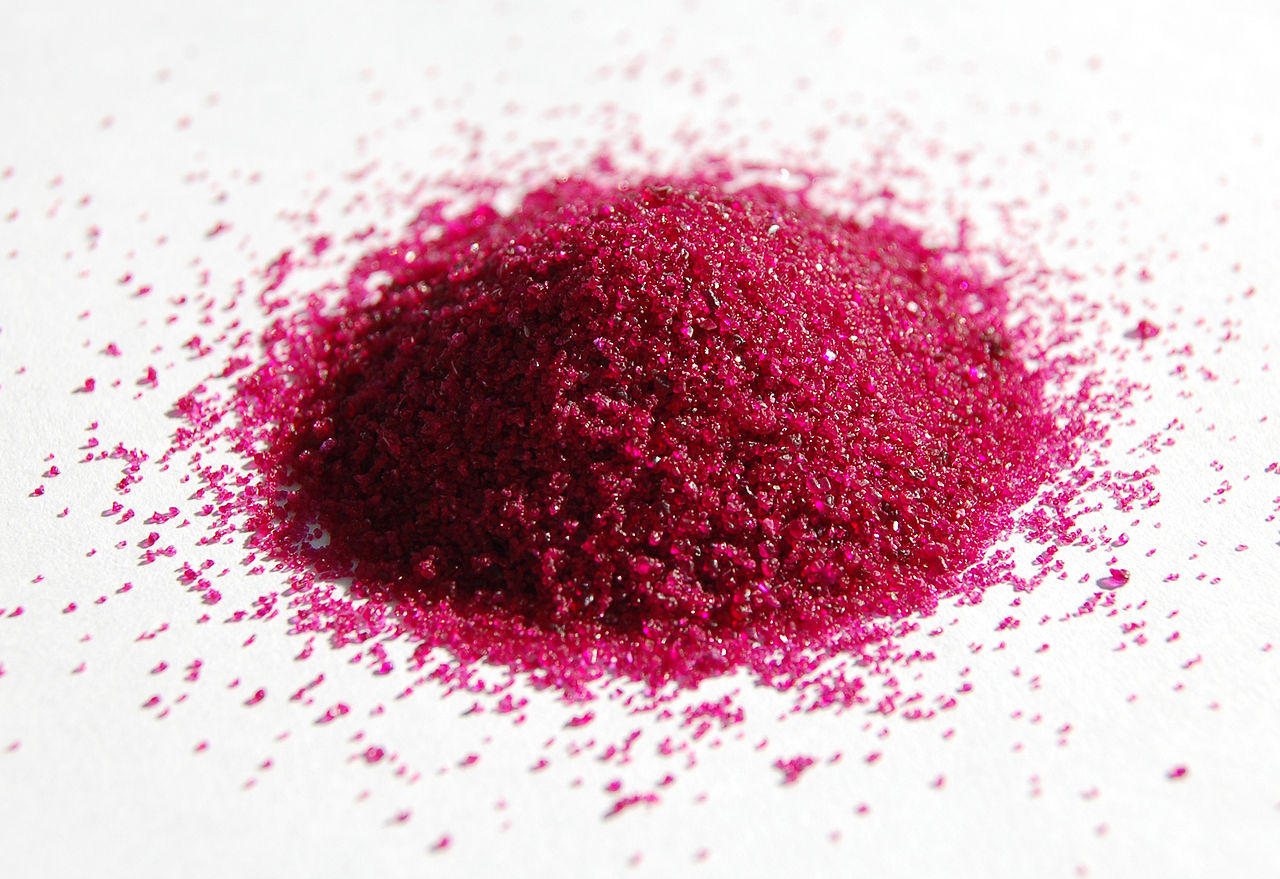


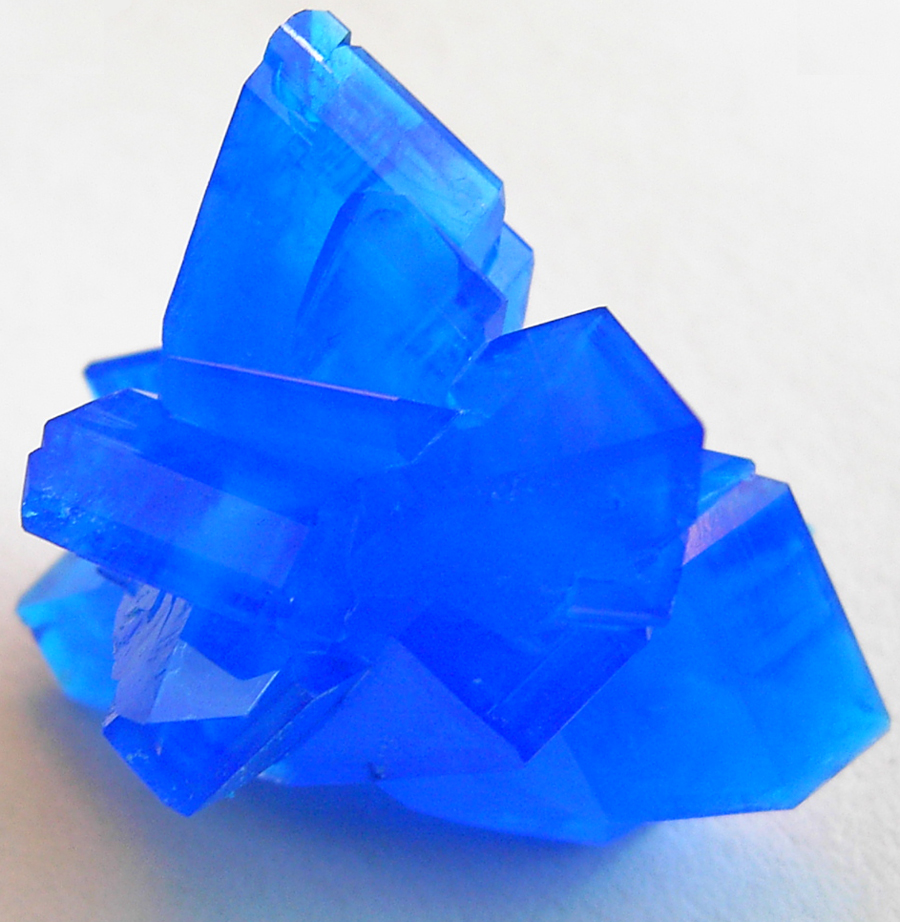
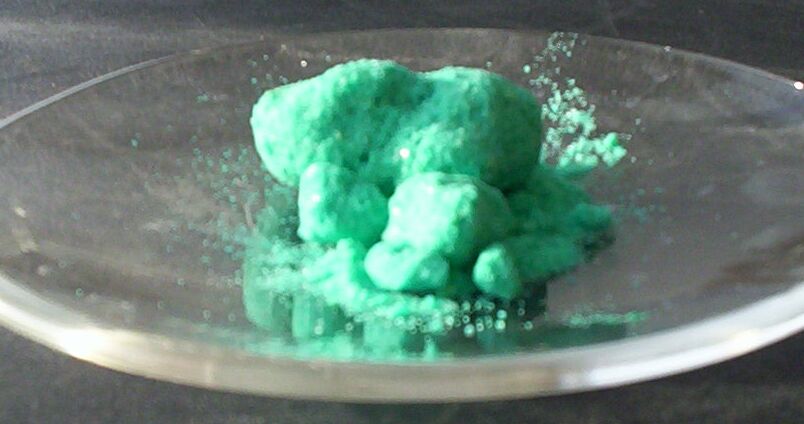


Composition and classification
Substances are described by their constituent atoms and the way those atoms are bonded. An element consists of one kind of atom, while a compound contains two or more elements chemically bonded in a fixed ratio. For example, water has the chemical formula H2O and the same ratio of hydrogen to oxygen whether it comes from natural sources or is synthesized in a laboratory. The idea of a reproducible composition underpins analytical chemistry and material standards.
Physical states and changes
Most chemical substances occur as solids, liquids, or gases at ordinary conditions. A solid has a fixed shape and volume, a liquid conforms to a container while retaining volume, and a gas expands to fill available space. Changes among these phases—melting, evaporation, condensation, and freezing—depend on temperature and pressure and are important for processing and storage.
Purity, mixtures and common examples
Purity matters: a pure substance has a single composition, whereas a mixture contains variable proportions of two or more components. Typical household substances illustrate these categories: water, table salt (sodium chloride) and commercial bleach are familiar materials with characteristic uses and hazards. Many consumer products are formulated mixtures rather than single chemical substances.
Uses, importance and safety
Chemical substances are central to industry, medicine, agriculture and daily life. Their predictable properties enable manufacturing, pharmaceuticals, and research. At the same time, handling and disposal must follow safety and regulatory guidance because even benign substances can be hazardous at the wrong concentration or when combined with others.
Further resources
- Introduction to chemical substances
- Chemical composition explained
- Water as a chemical substance
- Molar ratios and formulas
- Hydrogen overview
- Oxygen overview
- Natural sources of substances
- Laboratory synthesis
- Sodium chloride (salt)
- Household bleach and disinfectants
- Definitions: substance vs mixture
- Solids
- Liquids
- Gases
- Effects of temperature
- Effects of pressure
Tags
Related articles
Author
AlegsaOnline.com Chemical substance: definition, properties, examples and distinctions Leandro Alegsa
URL: https://en.alegsaonline.com/art/19185
Sources
- commons.wikimedia.org : Chemical substances