
Water (molecule): properties, behavior, and importance
A concise guide to the water molecule (H2O): its structure, physical and chemical properties, role in the environment and biology, common uses, and notable anomalous behaviors.
Overview
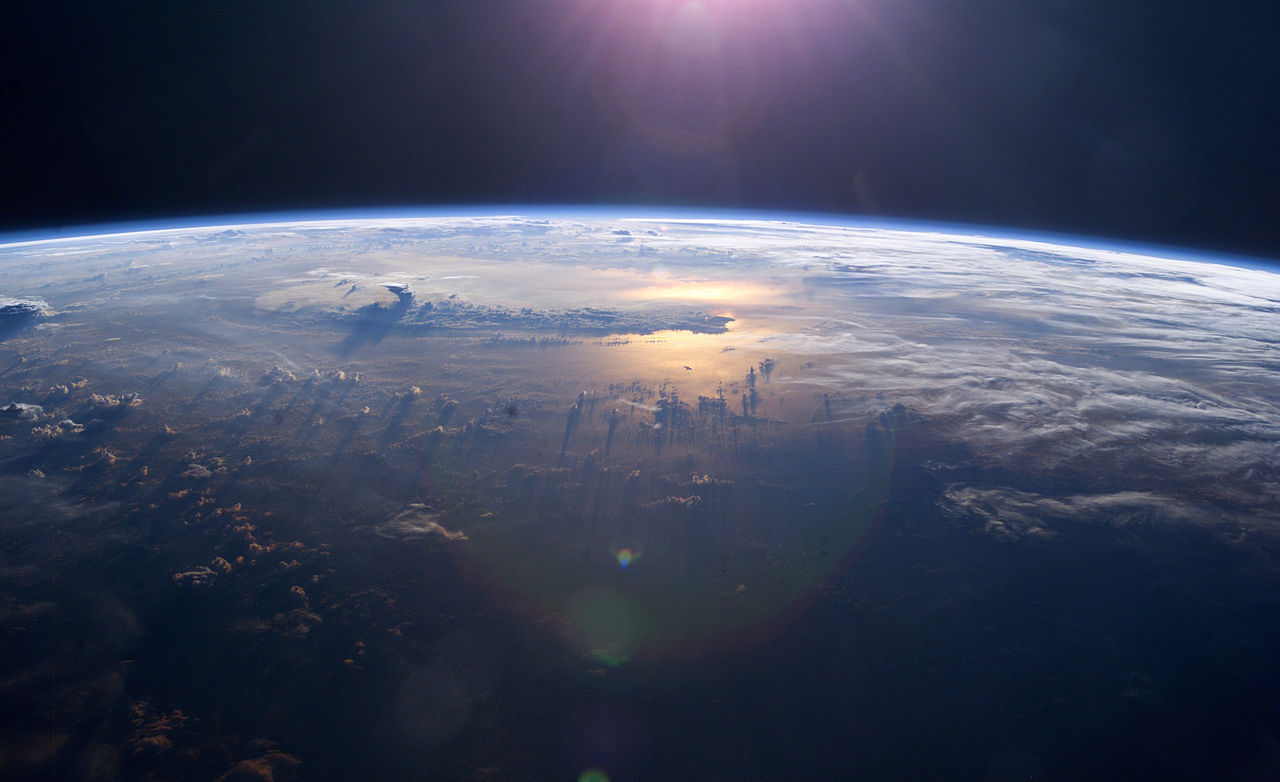
Water is a simple molecule with the chemical formula H2O. It is the most common substance on the Earth's surface, appearing naturally as liquid, solid (ice), and gas (water vapor). Because of its abundance and chemical behavior, water is central to geology, climate, industry, and virtually all known forms of life. In everyday language "water" usually means the liquid phase at typical temperatures, but as a chemical it is the H2O molecule in any state.
Image gallery
10 Images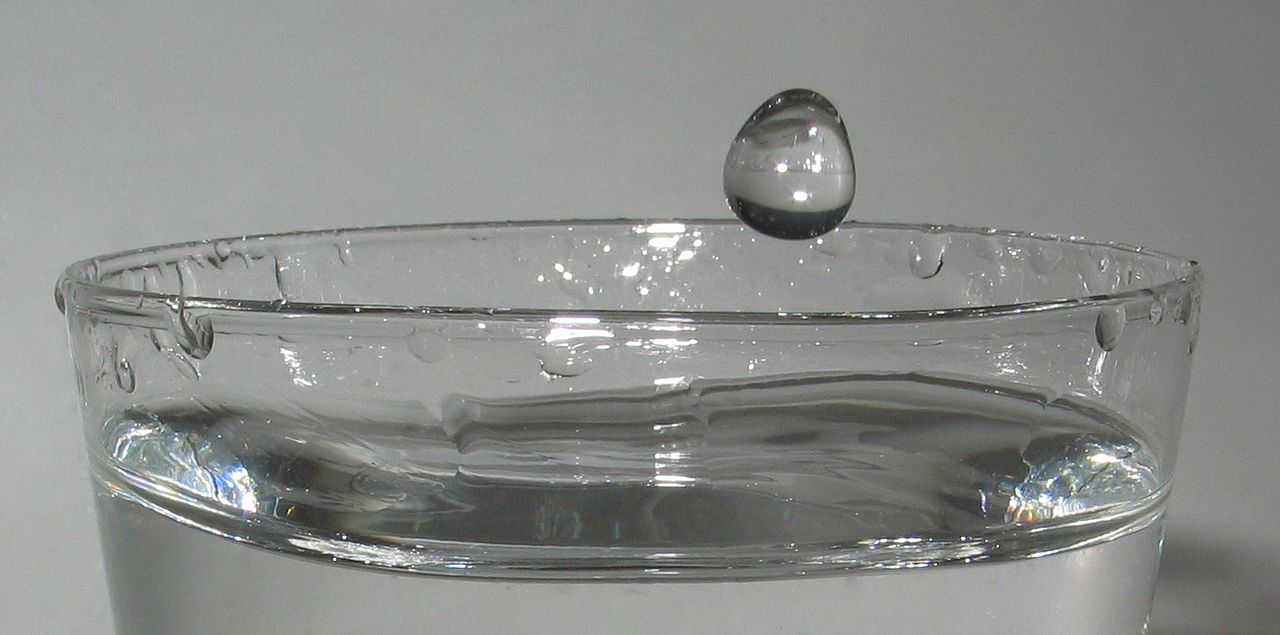





Molecular structure and basic properties
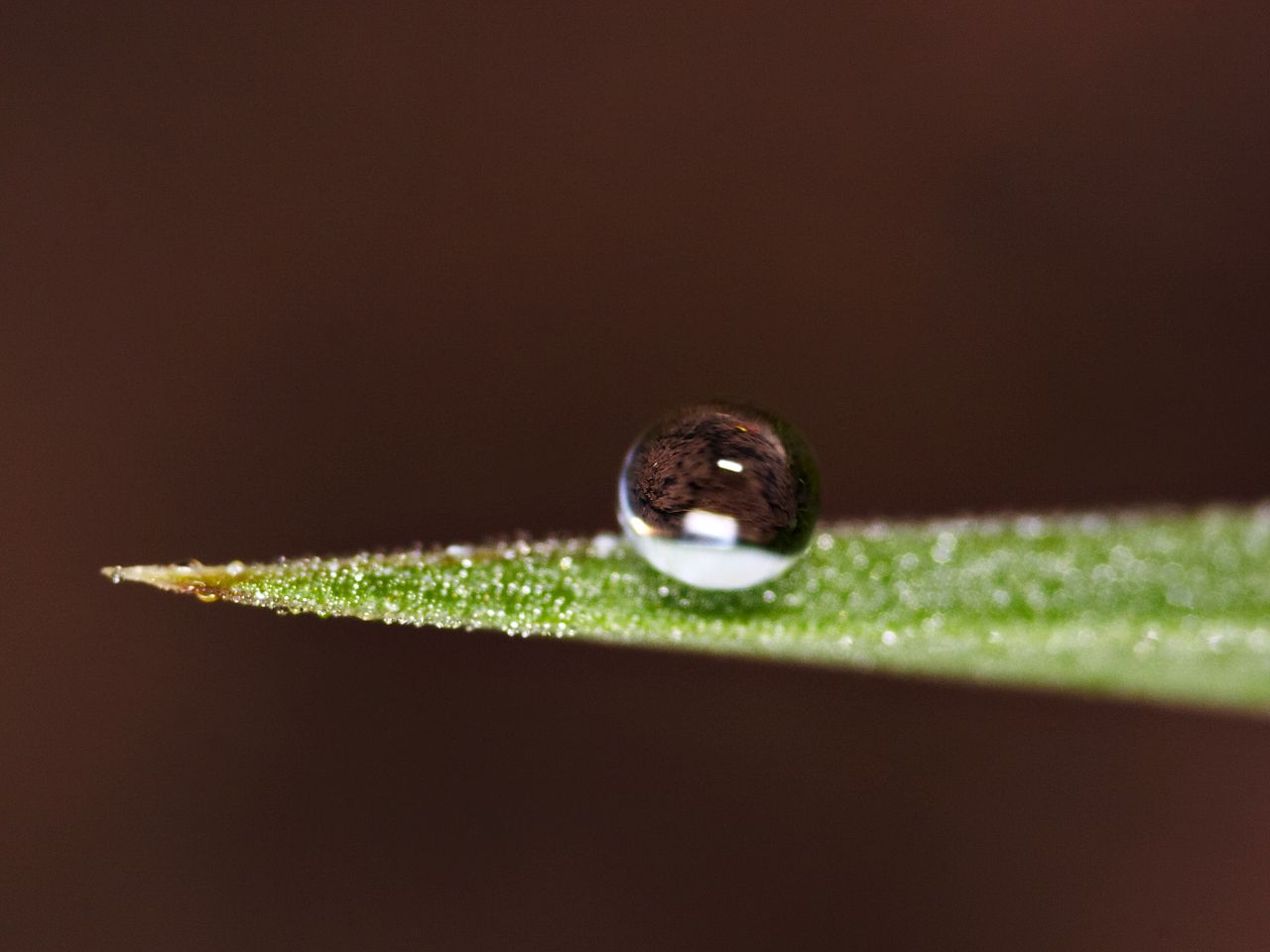
The H2O molecule consists of one oxygen atom bonded to two hydrogen atoms in a bent geometry. This shape creates an uneven distribution of electrical charge, making water a polar molecule. Polarity and the ability to form hydrogen bonds between molecules underlie many of water's characteristic behaviors: high surface tension, relatively high boiling and melting points for a small molecule, and a strong ability to dissolve many ionic and polar substances. These interactions are why water is often called a "universal solvent" in a broad sense, though many organic and nonpolar substances are poorly soluble.
Physical states and anomalous behaviors
Water exists naturally in all three classical states of matter. It has several unusual or "anomalous" properties compared with many common liquids. One notable example is that liquid water reaches a maximum density near 4 °C, so ice is less dense than liquid water and floats. Another is water's high specific heat capacity, which helps moderate temperature changes in environments and organisms. The molecule also exhibits a triple point—a unique combination of temperature and pressure where solid, liquid, and gas coexist—and supports extensive hydrogen-bonded networks that reorganize with temperature and pressure changes.
Role in environment and life
Water is essential to life as we know it. It is the medium for biochemical reactions inside cells, a transport fluid for nutrients and wastes, and a regulator of body temperature. At planetary scales, water shapes weather and climate through the hydrologic cycle: evaporation, condensation, precipitation, and runoff. Oceans store vast amounts of heat and influence atmospheric circulation, while freshwater systems sustain terrestrial ecosystems and human societies.
Uses, examples, and practical considerations
Humans use water in countless ways: agriculture (irrigation), industry (cooling, processing, solvent), energy production (hydropower, thermal plants), sanitation, and drinking. Natural water sources commonly contain dissolved minerals, gases, and organic matter; very pure water has different tastes and behaviors than typical natural waters. Treating and protecting freshwater supplies is a major public health and environmental priority worldwide. Water management also involves distinguishing potable water from brackish, saline, or contaminated waters for different uses.
Notable distinctions and facts
Some important distinctions include pure (laboratory-grade) water versus natural waters that contain solutes; H2O versus its isotopologues (for example, deuterium-substituted forms) which have slightly different physical properties; and water's role as both a reactant and a medium in chemical reactions such as hydrolysis and acid–base equilibria. The combination of polarity, hydrogen bonding, and abundance makes water uniquely influential across chemistry, biology, geoscience, and engineering.
Further reading and resources
- Chemical formula and basic facts
- Molecular geometry and bonding
- Liquid water properties
- Solid water (ice) and crystal forms
- Ice behavior and types
- Water vapor and atmospheric roles
- Abundance of water on Earth
- Water in planetary science
- Temperature-dependent behaviors
- Taste and perception of water
- Odor and purity considerations
- Solvent properties and solubility
- Chemical properties and reactions
Questions and answers
Q: What percentage of the Earth's surface is covered by water?
A: Water covers 70-75% of the Earth's surface.
Q: In what states can water be found on Earth?
A: Water can be found in its liquid and solid (ice) states, as well as in the atmosphere as a vapor.
Q: What is the most abundant molecule on Earth's surface?
A: Water is the most abundant molecule on Earth's surface.
Q: What are some properties of water when it is at room temperature?
A: At room temperature, water is a nearly colorless, flavorless, and odorless liquid.
Q: Why is water commonly seen as the universal solvent?
A: Many substances dissolve in water, which is why it is commonly seen as the universal solvent.
Q: Is water always clean in nature and in use?
A: Water in nature and in use is rarely clean, and may have some properties different than those in the laboratory.
Q: What other substances can be found naturally in all three states of matter?
A: Water is the only common, pure substance found naturally in all three states of matter.
Related articles
Author
AlegsaOnline.com Water (molecule): properties, behavior, and importance Leandro Alegsa
URL: https://en.alegsaonline.com/art/106800
Sources
- dartmouth.edu : dartmouth.edu
- chemistry.about.com : chemistry.about.com