
Calcium — properties, uses, and biological significance
Calcium (Ca, atomic number 20) is an alkaline earth metal essential in geology, industry, and biology; important for bones, signaling, cement, and common as carbonate and oxide compounds.
Calcium is a chemical element with the symbol Ca and atomic number 20. It belongs to the alkaline earth metals in the periodic table and appears naturally mainly as ions and in minerals rather than as the pure metal. See general information on the chemical element and its place in the periodic table. The atomic number is 20, meaning a neutral calcium atom contains 20 protons and, in its common state, 20 electrons. Calcium readily forms the Ca2+ ion in compounds.
Image gallery
10 Images


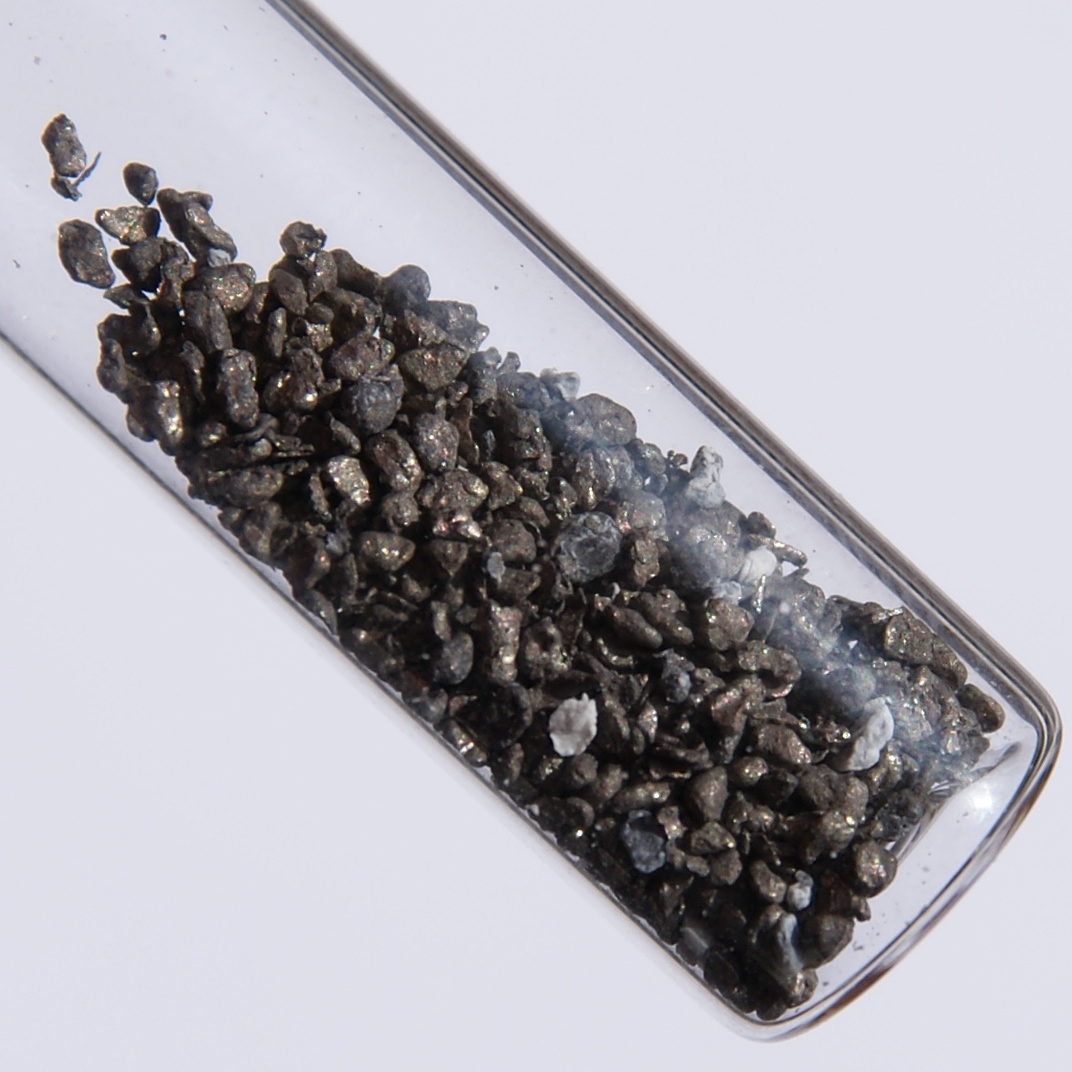


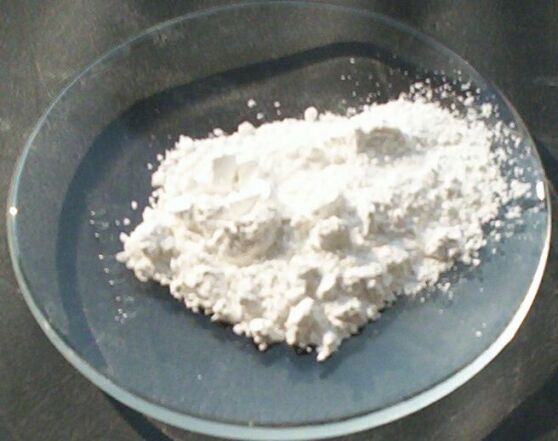

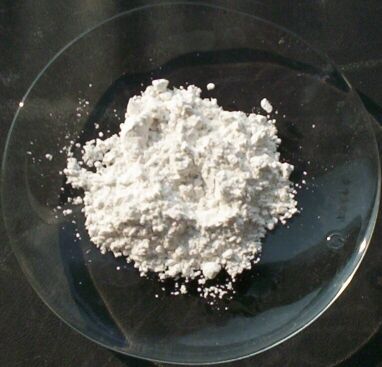

Physical and chemical characteristics
As an element, calcium is a silvery-gray, soft metal with two valence electrons and an electron configuration often written as [Ar] 4s2. Its common isotopes include Ca-40 (the most abundant) and Ca-44. The standard atomic weight is about 40.08. Calcium reacts with water less vigorously than the alkali metals but will form calcium hydroxide and hydrogen; it oxidizes in air and is typically encountered in nature as compounds such as calcium carbonate (limestone, shells), calcium sulfate (gypsum), and calcium oxide (quicklime).
Historical context and production
Compounds of calcium, especially lime and lime-derived materials, have been used for millennia in construction, agriculture and metallurgy. The metal itself was first isolated in the early 19th century using electrolysis techniques similar to those applied by chemists of that era. Today metallic calcium is produced by reducing calcium chloride, often by electrolysis of molten salts, while most commercial use involves its compounds rather than the pure element.
Biological roles and nutrition
Calcium ions play central roles in animal physiology. They are essential for building and maintaining bones and teeth, and they act as a key intracellular messenger involved in muscle contraction, nerve impulse transmission, release of hormones and enzymes, and blood clotting. Diets supply calcium from dairy products, certain fish, and many leafy green vegetables; adequate intake and regulation by vitamin D and hormones such as parathyroid hormone are important for health. For more on calcium's role in the body see bone and physiology resources.
Industrial uses and importance
Calcium compounds are widely used: calcium carbonate is a primary ingredient in cement and building stone; calcium oxide (quicklime) is important in steelmaking, chemical manufacture and water treatment; calcium chloride serves as a de-icing agent and drying agent. Metallic calcium acts as a reducing agent in producing other metals and in certain alloying applications. Its abundance in the crust and seawater makes it economically important for many large-scale industrial processes.
Notable distinctions and facts
- Calcium is more commonly found in ionic and mineral forms rather than as a free metal in nature.
- The Ca2+ ion is a universal signalling ion in biological systems and is tightly regulated.
- Common calcium-containing materials include limestone, shells (calcium carbonate) and plaster (calcium sulfate).
- For technical references and broader context on isotopes and measurements see isotope data and mass information at standard atomic weight sources. Additional educational materials are available via general element pages: periodic table, element overview, and physiology references at health resources.
Questions and answers
Q: What is the symbol for Calcium on the periodic table?
A: The symbol for Calcium on the periodic table is Ca.
Q: What is the atomic number of Calcium?
A: The atomic number of Calcium is 20.
Q: What are some common isotopes of Calcium?
A: Some common isotopes of Calcium are Ca-40 and Ca-44.
Q: What is the mass number for Calcium?
A: The mass number for Calcium is about 40.08.
Q: How does calcium help in the human body?
A: In the human body, calcium helps to make bones and serves other purposes as well.
Q: Is calcium an atom or an ion?
A: If it's an atom, then calcium has 20 protons and 20 electrons.
Tags
Related articles
Author
AlegsaOnline.com Calcium — properties, uses, and biological significance Leandro Alegsa
URL: https://en.alegsaonline.com/art/16047
Sources
- degruyter.com : "Atomic weights of the elements 2013 (IUPAC Technical Report)"
- doi.org : 10.1515/pac-2015-0305
- doi.org : 10.1021/ja105534w
- pubmed.ncbi.nlm.nih.gov : 20718434
- webelements.com : "Calcium: the essentials"