
Chagossians: people, language, displacement and diaspora
An overview of the Chagossian (Îlois) people: origins, culture and language, forced removal from the Chagos Archipelago, legal and political developments, and the contemporary diaspora.
The Chagossians (also called Îlois or Chagos Islanders) are the descendants of workers and enslaved people who lived on the islands of the Chagos Archipelago in the Indian Ocean. They developed a distinct island culture and a French-based creole language. Their ancestry includes people from Africa, South Asia and Southeast Asia; historians and community accounts note African, Indian and Malay heritage among the population.
Image gallery
3 Images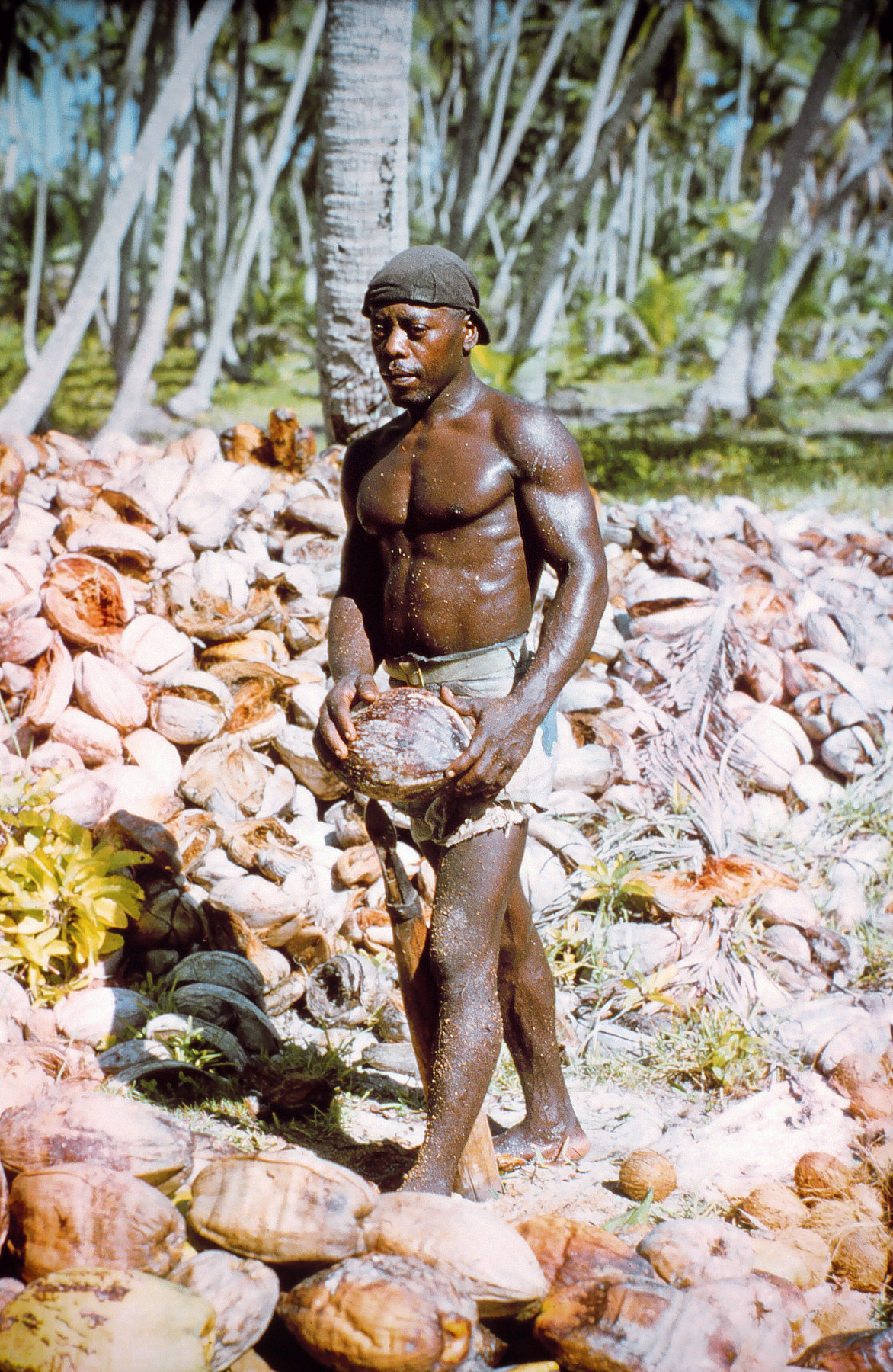


Origins and community
The small island settlements were established and maintained as coconut plantations and fishing communities. Population records and oral history indicate arrivals over the 18th and 19th centuries: enslaved Africans brought from Mauritius under French colonial rule, indentured and migrant workers from the Indian subcontinent, and people with Malay origins who arrived as sailors, fishermen or laborers. The community lived primarily on island centers such as Diego Garcia, Peros Banhos and the Salomon atoll chain and other smaller islands in the group; these islands supported modest agricultural and maritime livelihoods before the mid-20th century. A representative list of occupied islands includes:
- Diego Garcia
- Peros Banhos
- The Salomon Islands (Chagos)
Language and culture
Chagossian Creole is the community's traditional vernacular. It belongs to the Bourbonnais (Mascarene) creole family and is based largely on French, with vocabulary and influences from African and Asian languages; scholars describe it as a reflection of the islands' multicultural origins. The creole survives among diaspora communities in Mauritius and Seychelles as well as in some families abroad. Chagossian cultural life historically centered on coconut cultivation, fishing, local music and communal rituals; many of these practices persist in exile.
Forced removal and military use
In the late 1960s and early 1970s the British government removed the islanders from their homes in order to allow construction and operation of a military facility on Diego Garcia at the request of the United States government. The expulsions and relocations displaced nearly the entire population; this process is often described as forcible removal or eviction in contemporary accounts and legal challenges documenting those events. Following removal, Diego Garcia became the site of a major military base (sometimes referred to as Camp Justice) and the archipelago was administered separately from Mauritius and other territories.
Diaspora and settlement
Most Chagossians now live outside the archipelago. Large communities formed in Mauritius and the United Kingdom after eviction, with smaller numbers in the Seychelles and other countries. Many Chagossians trace family origins to Madagascar, Mozambique and Mauritius and retain connections to those places: some genealogy and cultural accounts note links to Madagascar, Mozambique and Mauritius. The community also includes family lines with origins in India and Malay regions; historical records refer to slavery and labor migration from Mauritius and other islands during French colonial rule and later work on coconut plantations and estates.
Legal and political developments
Over decades Chagossians and supporting organizations pursued legal remedies, compensation, and the right to return. Their claims have prompted court cases, inquiries and international attention. Language and community preservation remain important concerns: Chagossian Creole, a creole rooted in French, continues to be spoken by older generations and in diaspora communities and is documented by linguists and cultural groups as part of heritage efforts studying creole languages. Many Chagossians in the United Kingdom also speak English and participate in civic life there as residents or citizens.
Contemporary identity and notable facts
Today the Chagossian identity combines memory of island life, cultural traditions, and the experience of displacement. Communities in Mauritius, the Seychelles and the UK maintain social networks and cultural events; Chagossian creole and music are preserved in family and community settings across the region. The political status of the islands has been subject to international debate, resolutions and diplomatic exchanges, and the Chagossian story remains an example of how strategic military interests, colonial governance, and human rights intersect in contemporary history. For further background and archival materials consult specialist sources and community organisations that document Chagossian history and culture [see links].
Related articles
Author
AlegsaOnline.com Chagossians: people, language, displacement and diaspora Leandro Alegsa
URL: https://en.alegsaonline.com/art/18322
Sources
- chagossupport.org.uk : "June 2012 update | The UK Chagos Support Association"