
Military base: functions, types, structure, and history
Overview of military bases: purposes, common components, types (permanent, overseas, forward operating), historical development, legal and strategic issues, and social/environmental impacts.
Overview
A military base is a designated site where a nation's armed forces are housed, trained, equipped and organized for operations. Bases range from small temporary encampments to large, permanent installations that support personnel, aircraft, ships or heavy equipment. Their principal purposes include sustaining readiness, providing logistics and maintenance, enabling command and control, and serving as points for deployment and power projection.
Image gallery
6 Images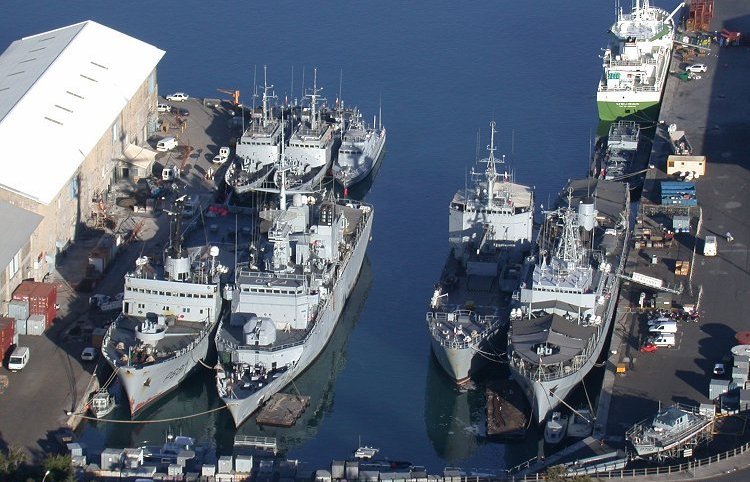


Structure and common components
Installations are designed to support both daily life and operational needs. Typical components include:
- Housing and services: barracks, family housing, dining, medical and recreational facilities;
- Command and communications: headquarters, operations centers and secure communications;
- Logistics and maintenance: supply depots, vehicle and aircraft maintenance, fuel and ammunition storage;
- Training areas: firing ranges, simulation centers, classrooms and exercise grounds;
- Mobility infrastructure: runways, docks, motor pools and transport nodes;
- Security: perimeter defenses, checkpoints and force protection systems.
Types of bases
Common categories are home stations (permanent national bases), overseas garrisons hosted by allies, forward operating bases (temporary sites near operations), staging bases for deployments, naval ports and air bases. Some countries operate joint bases combining multiple services on one installation.
History and development
Bases evolved from fortified camps and garrisons to modern complexes shaped by industrialization, steam and air power, and global geopolitics. The 20th century introduced specialized facilities for aviation, naval logistics and strategic deterrence; the late 20th and early 21st centuries emphasized expeditionary logistics and rapid deployment.
Legal, strategic and local impacts
Foreign bases often rest on treaties or host-nation agreements that define jurisdiction and responsibilities. Strategically, bases enable deterrence, power projection, intelligence and disaster response. Locally, they can stimulate economies, create infrastructure and also raise diplomatic, social and environmental concerns such as land use, noise and contamination.
Security and resilience
Modern planning stresses resilience against sabotage, natural hazards and cyber threats. Measures include hardened facilities, redundant communications, environmental management and community engagement to reduce risks and maintain operational continuity.
Conclusion
Military bases are multifaceted installations that combine operational, logistical, social and legal roles. Their design and use reflect technological change, strategic priorities and the relationships between armed forces and the societies that host them.
Related articles
Author
AlegsaOnline.com Military base: functions, types, structure, and history Leandro Alegsa
URL: https://en.alegsaonline.com/art/64961
Sources
- collinsdictionary.com : "Military base definition"