
Madagascar: island nation, biodiversity, history, and society
Madagascar is a large island nation off Africa's east coast, famed for its unique flora and fauna, Malagasy culture and languages, French influence, and an economy based on agriculture, vanilla, mining and tourism.
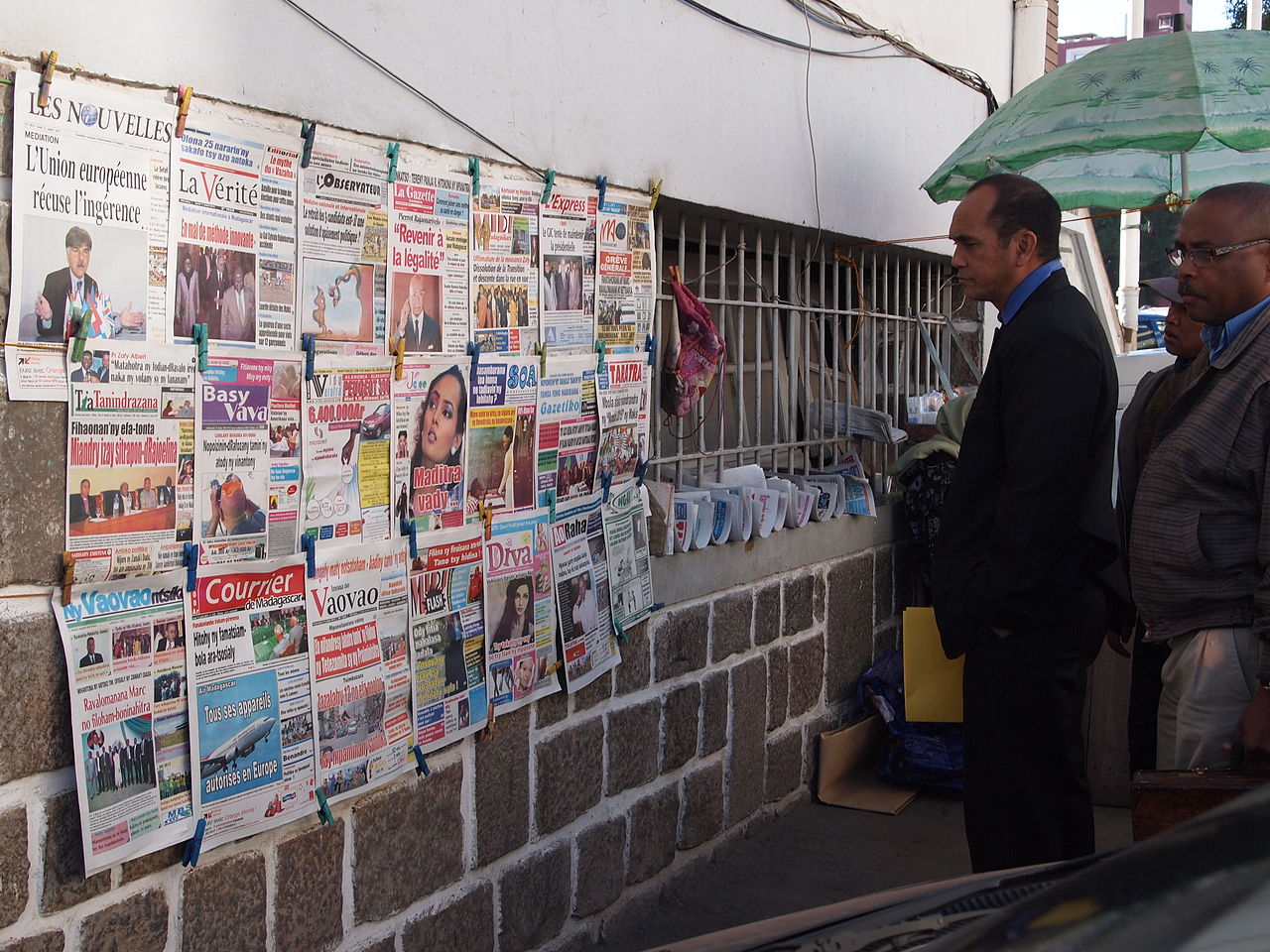
Overview: Madagascar is a large island nation in the western Indian Ocean, located off the east coast of mainland Africa. Its capital city is Antananarivo, and its people speak Malagasy and French; both languages have official status and shape public life and education (Malagasy, French). The island is often described as the world’s fourth-largest island and has a long history of cultural exchange, isolation and ecological distinctiveness.
Image gallery
10 Images




Geography and biodiversity
Madagascar occupies a large area of land separated from continental Africa and other landmasses tens of millions of years ago. Its landscapes range from high central plateaus and rainforest-covered mountains to dry deciduous forests, spiny thickets and coastal mangroves. This environmental variety supports exceptionally high levels of endemism: a very large share of its plants and animals are found nowhere else on Earth. Species often associated with Madagascar include lemurs, chameleons, baobab trees and a wide array of orchids.
History and population
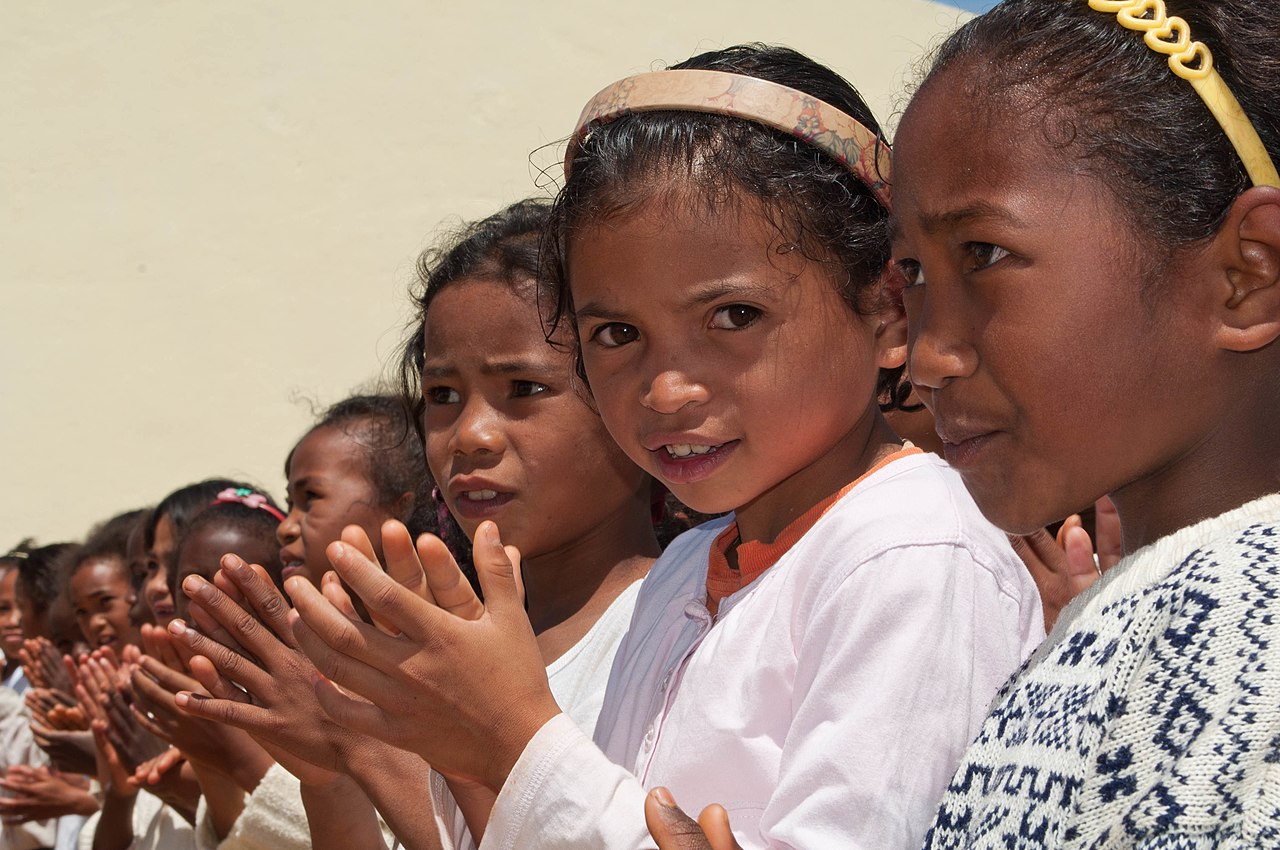
Human settlement of Madagascar began when seafarers from the islands of Southeast Asia and later from the African mainland reached its shores, creating a blended Malagasy culture with Austronesian and African roots. Over centuries local kingdoms and chiefdoms developed. In the 19th century the island became more involved in global trade and was subsequently colonized by France. Madagascar gained independence in the mid-20th century and has since been shaped by multiple political and economic transitions.
Economy and society
The economy depends heavily on agriculture, with smallholder farming producing staples and export crops. Madagascar is known worldwide for its vanilla production and also exports cloves, coffee and other commodities. Natural resources such as minerals and gemstones contribute to trade, while tourism draws visitors keen to see the island’s wildlife and landscapes. Economic development is balanced by challenges including poverty, infrastructure needs and pressures on forests and other habitats.
Conservation and modern challenges
Madagascar faces major conservation concerns: deforestation, habitat loss and the illegal wildlife trade threaten its endemic species. International and local conservation groups work alongside government agencies to protect reserves and promote sustainable use of natural resources. Research and ecotourism also play roles in raising global awareness of the island’s biological importance.
Notable facts
- Location: an island nation in the Indian Ocean, off Africa’s east coast (Indian Ocean, east coast of Africa).
- Languages: Malagasy and French are widely used in administration, education and media (Malagasy, French).
- Biodiversity: extremely high endemism; many species are unique to Madagascar.
- Culture: Malagasy traditions reflect mixed Austronesian and African heritage; the capital is Antananarivo.
Questions and answers
Q: Where is Madagascar located?
A: Madagascar is located in the Indian Ocean, off the east coast of Africa.
Q: How many people live in Madagascar?
A: There are 22 million people living in Madagascar.
Q: What is the capital of Madagascar?
A: The capital of Madagascar is Antananarivo.
Q: What is Madagascar's ranking when it comes to island size?
A: Madagascar is the world's fourth largest island.
Q: What are the official languages of Madagascar?
A: The official languages of Madagascar are Malagasy and French.
Q: What type of nation is Madagascar?
A: Madagascar is a large island nation.
Q: What ocean is Madagascar located in?
A: Madagascar is located in the Indian Ocean.
Related articles
Author
AlegsaOnline.com Madagascar: island nation, biodiversity, history, and society Leandro Alegsa
URL: https://en.alegsaonline.com/art/60427
Sources
- madagascar-tribune.com : "Projet de Constitution de la Quatrième République de Madagascar" · webcitation.org
- populstat.info : "MADAGASCAR: general data"
- geography.about.com : "Demonyms – Names of Nationalities"
- esa.un.org : "World Population Prospects: The 2017 Revision"
- imf.org : "Madagascar"
- data.worldbank.org : "Gini Index"
- hdr.undp.org : "2016 Human Development Report"
- cia.gov : "CIA - The World Factbook -- Madagascar"
- news.bbc.co.uk : "Giant palm tree puzzles botanists"
- timesonline.co.uk : "Dark history of Madagascar - Times Online"
- www1.american.edu : "Deforestation In Madagascar"
- alertnet.org : "Reuters AlertNet - Cyclones, politics to hurt Madagascar vanilla"
- wildmadagascar.org : "Economy of Madagascar" · webcitation.org