
Mauritius
Island nation in the Indian Ocean known for its multicultural population, diverse economy, and unique biodiversity including the extinct dodo; comprises Mauritius island and several outer islands.
Overview
The Republic of Mauritius is an island country in the Mascarene Islands of the southwestern Indian Ocean. The state comprises the main island of Mauritius together with the outer islands of Rodrigues, the Agaléga islets and the St. Brandon (Cargados Carajos) reef system. Its largest city and administrative centre is Port Louis, which serves as the nation's capital.
Image gallery
10 Images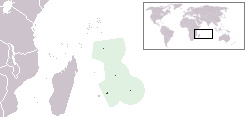




Geography and population
Mauritius is volcanic in origin and surrounded by coral reefs. The islands are relatively small but present a range of coastal, lowland and upland habitats. Population figures have grown steadily over recent decades; the 2000 census recorded 1,178,848 inhabitants (census) and subsequent estimates place the population in the low millions. The country occupies a strategic maritime position and forms part of a wider Indian Ocean region politically and economically linked to the Indian subcontinent and southern Africa.
History
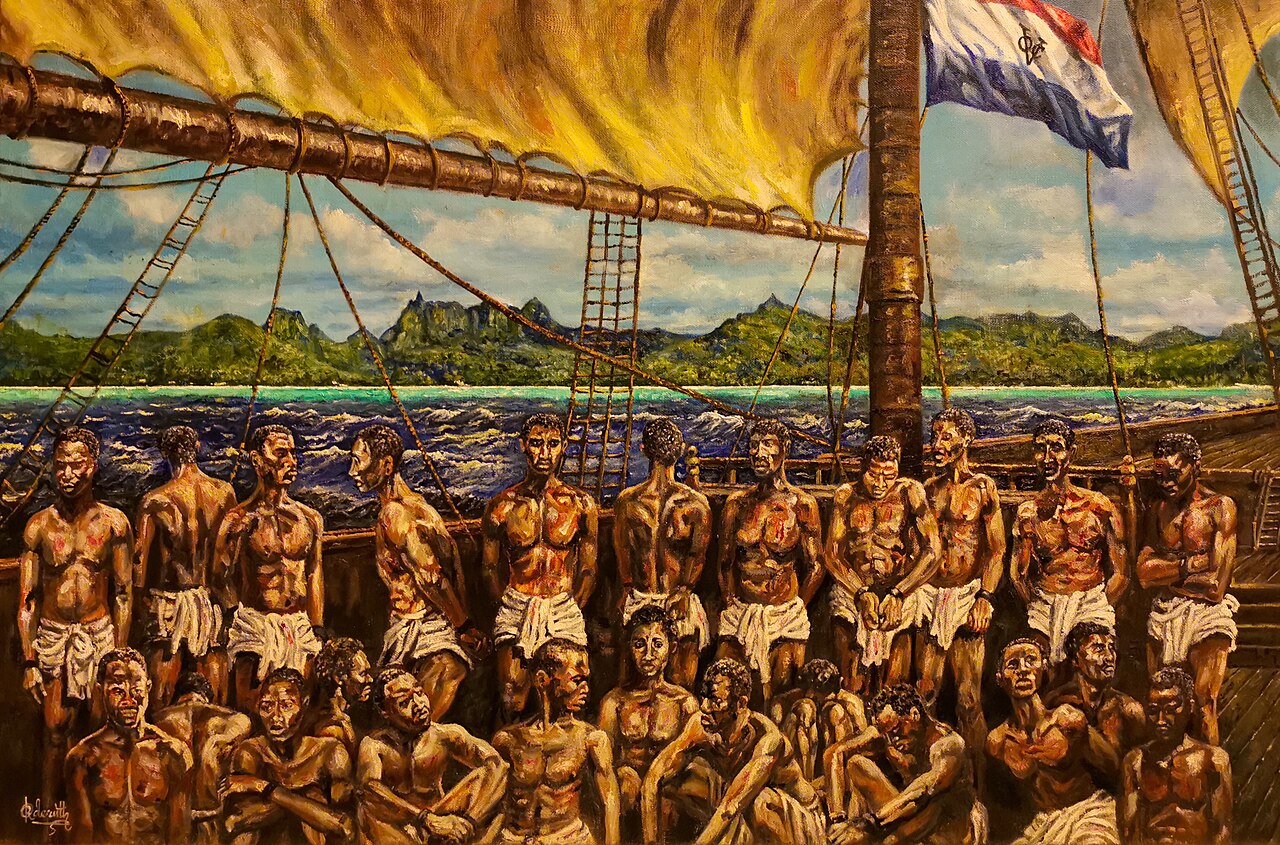
Mauritius has a layered colonial past. European navigators including those from Portugal first visited the islands, which later came under Dutch settlement, French administration and finally British rule before independence. The archipelago was influenced by successive waves of settlers, labor migrations and trade connections, including significant links with South Africa and other regional partners. Mauritius achieved full independence in 1968 and later became a republic while remaining a member of the Commonwealth.
Economy and society
The modern economy is diversified and export-oriented. Historically dominated by sugarcane cultivation, it now also relies on tourism, textiles, offshore financial services and information technology. Key sectors include:
- Agriculture: sugar and tropical crops;
- Services: tourism, banking and business process outsourcing;
- Manufacturing: apparel and light industry.
The population is ethnically and culturally diverse, with communities of Indian, African, Chinese and European descent contributing to a multilingual society in which English is official and French and Mauritian Creole are widely spoken.
Environment and notable facts
Mauritius is known for its rich, though fragile, biodiversity. It once supported the flightless dodo, which became extinct in the 17th century and remains a global symbol of human-driven extinction. Coral reefs, endemic plants and unique bird species make conservation a national priority. Administrative and territorial matters sometimes highlight the remote outer islands, and the government manages maritime, ecological and economic activities across the archipelago (former European colonies and modern governance links are part of its complex legacy).
Further reading and resources
For official information, statistics and travel guidance consult government and international sources. Historical, economic and ecological studies provide deeper insight into Mauritius’s development, its role in the Indian Ocean region and its ongoing efforts to balance growth with environmental protection. See also general country profiles and regional overviews (population data, capital details, and trade relations with South Africa and the Indian subcontinent).
Questions and answers
Q: Where is Mauritius located?
A: Mauritius is an island nation in the Mascarene Islands.
Q: Which islands are included in Mauritius?
A: Rodrigues, Agaléga and St. Brandon are also included in Mauritius.
Q: Which European countries formerly ruled Mauritius?
A: France, Portugal, and the United Kingdom formerly ruled Mauritius.
Q: What is the capital of Mauritius?
A: The capital of Mauritius is Port Louis.
Q: What was the population of Mauritius in the 2000 census?
A: The population of Mauritius in the 2000 census was 1,178,848 people.
Q: With which countries does Mauritius mainly trade?
A: Mauritius mainly trades with South Africa and Indian Sub Continent.
Q: What is the significance of the island of Mauritius in terms of wildlife?
A: The island of Mauritius was the home of the dodo.
Related articles
Author
AlegsaOnline.com Mauritius Leandro Alegsa
URL: https://en.alegsaonline.com/art/62981
Sources
- commons.wikimedia.org : Mauritius
- gov.mu : "language"
- gov.mu : "Article 49 of The Constitution"
- imf.org : "Mauritius"
- hdr.undp.org : "Human Development Report 2010"
- icj-cij.org : "Written Statement of the Republic of Mauritius"
- gov.mu : Central statistics Office: Republic of Mauritius
- thecommonwealth.org : Commonwealth Secretariat - Member States