
Car-free movement: reducing car dependency in cities
A social and planning movement that promotes less car use in cities through walking, cycling, public transit, street redesign and policy measures to improve health, equity and the environment.
Overview
The car-free movement is a loose network of people and groups who advocate for significantly reduced use of private motor vehicles in urban areas. It brings together individuals and organizations who argue that excessive car reliance harms public space, air quality and community life. Supporters typically call for fewer cars in dense cities and for prioritizing travel modes that use less road space per person.
Image gallery
6 Images
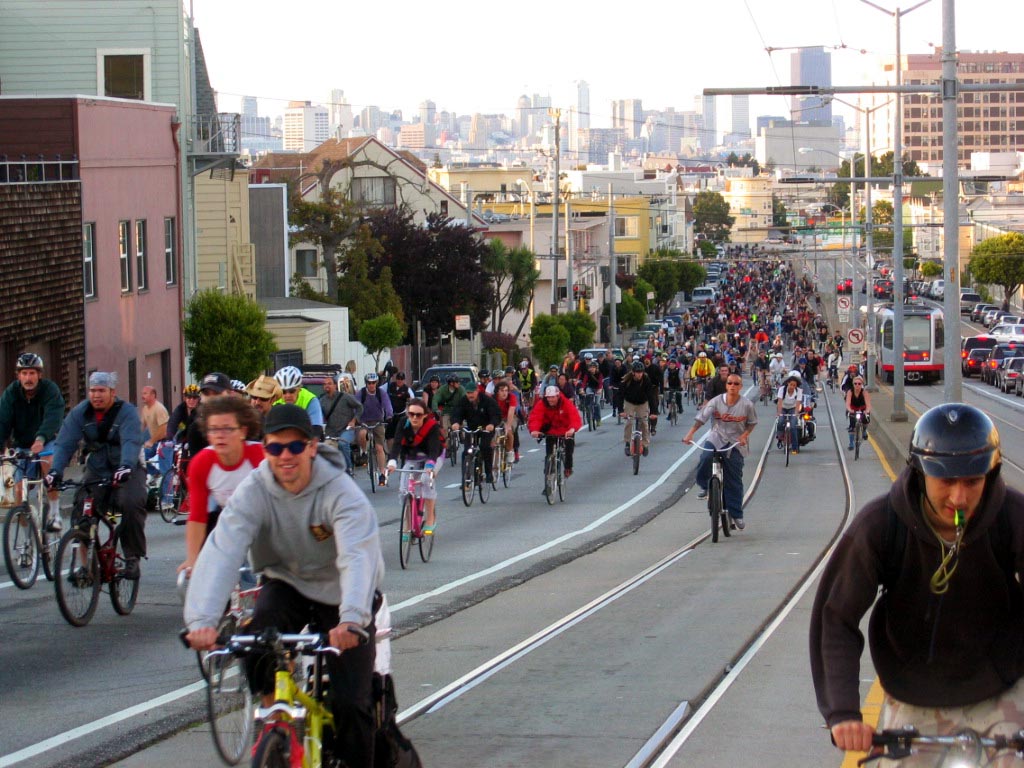



Participants and principles
The movement includes a mix of social activists, professional planners and everyday residents. Some describe themselves as activists; others work within municipal planning offices as urban planners. Their shared aims are pragmatic: improve safety for walking and cycling, expand public transit, manage curb space, and reduce emissions to protect the environment. Emphasis is often on accessibility, health and reclaiming streets for people rather than vehicles.
History and development
Concerns about traffic, pollution and the quality of public life in cities grew especially during the 20th and early 21st centuries as car ownership rose. The modern car-free movement builds on earlier ideas from pedestrian advocacy and environmentalism and has evolved through experiments such as pedestrianized plazas, car-free weekends and low-traffic neighborhoods. Local campaigns and pilot projects have been an important route for testing ideas before broader policy changes.
Strategies and examples
- Temporary events: car-free days or festivals that close streets to motor traffic to demonstrate alternative uses.
- Traffic calming and low-traffic neighborhoods: physical and regulatory measures that discourage through-traffic and prioritize local walking and cycling.
- Infrastructure investment: protected bike lanes, expanded sidewalks and reliable public transit that make non-car travel practical.
- Regulatory and fiscal tools: congestion charges, parking reform and vehicle restrictions in sensitive areas.
These tactics are used in a variety of settings, from central business districts to residential neighborhoods. Cities often combine pilot closures and data collection to refine approaches before permanent changes are made.
Benefits and challenges
Proposed benefits include fewer traffic injuries, lower air and noise pollution, increased physical activity and more inclusive public spaces. Critics and practical challenges center on equity of access, the need for reliable transit alternatives, impacts on deliveries and emergency access, and political resistance from drivers and businesses worried about turnover and convenience. Successful programs typically accompany restrictions with improved services and clear communication.
In practice the car-free movement is not a single prescription but a range of policies and cultural shifts aimed at making cities more livable. Its advocates often work through local campaigns, demonstration projects and planning processes to show that streets can serve people first and cars second.
Related articles
Author
AlegsaOnline.com Car-free movement: reducing car dependency in cities Leandro Alegsa
URL: https://en.alegsaonline.com/art/16832