
Canoe — design, use, history and distinctions from kayaks and rowboats
A canoe is a narrow, often open-topped watercraft propelled mainly by human-powered paddles. This article explains design, materials, paddling, history, uses, and how canoes differ from kayaks and rowboats.
Overview
A canoe is a lightweight, narrow boat that is typically pointed at both ends and is propelled by one or more people using hand-held paddles. Most canoes are open on top, though some models have partial or full covers for protection. They are used worldwide for transport, fishing, recreation, sport, and exploration.
Image gallery
10 Images





Design and construction
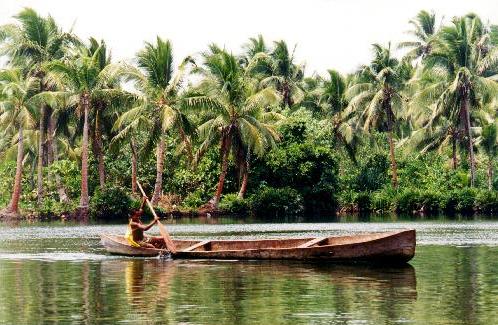
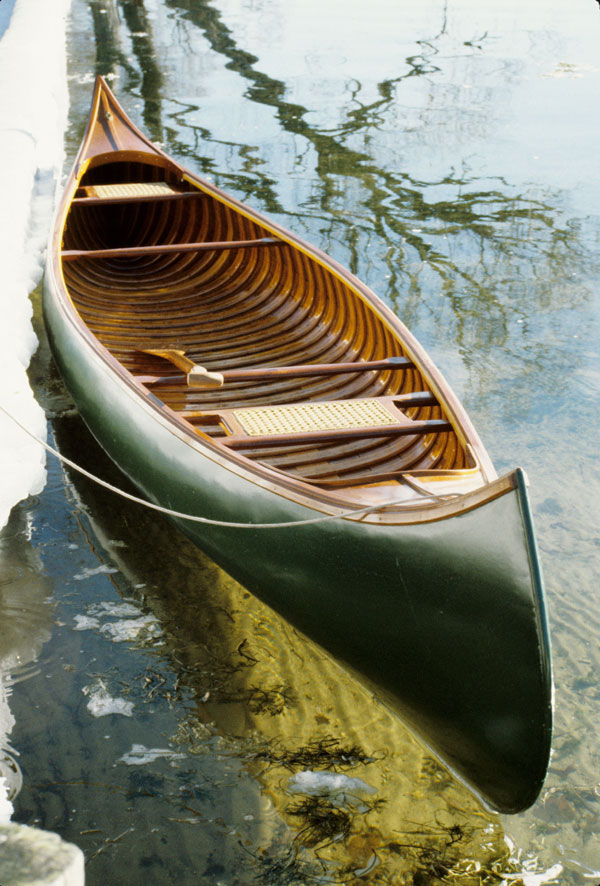
Traditional designs include dugouts (carved from a single log) and birchbark canoes made by Indigenous peoples in northern climates. Modern canoes are built from a variety of materials: cedar-strip wood, canvas over wood frames, aluminum, fiberglass, polyethylene, and composite laminates such as Kevlar. Hull shapes vary to favor stability, speed, or maneuverability: wider, flatter hulls are stable for fishing and casual use; narrower, rounded hulls track and glide better for touring or racing.
Propulsion and paddling
Canoes are propelled with handheld paddles, which may be single-bladed (most common in traditional and recreational canoeing) or double-bladed (used in some solo or hybrid designs). Paddlers usually face forward and may sit on seats or kneel on the bottom for better leverage. Common paddle strokes include the forward stroke for propulsion, the J-stroke for straightening a course, and draw and pry strokes for lateral movement. Canoes can also be fitted with small sails or outboard motors for specific purposes.
Types and uses
- Recreational canoes: stable, user-friendly boats for lakes and gentle rivers.
- Touring and expedition canoes: designed for long-distance travel, often with storage for gear.
- Whitewater canoes: reinforced and shaped for maneuvering rapids.
- Racing canoes: narrow, lightweight craft built for speed in sprint or marathon events.
- Fishing and utility canoes: adapted with platforms, storage, or motor mounts.
History and cultural significance
Canoes have ancient origins and appear in the archaeological record in many regions. Indigenous communities in North America, Scandinavia, Africa, Oceania, and Southeast Asia developed a wide variety of canoe forms adapted to local waterways and resources. In many cultures, canoes were central to trade, seasonal migration, fishing, and ceremonial life. European exploration and later recreational adoption spread canoeing as both a practical craft and a leisure activity.
Distinctions and sporting forms
Key differences separate canoes from similar small craft. Unlike kayaks, traditional canoes are usually open-topped and most often use single-bladed paddles; kayaks are typically closed-decked with double-bladed paddles. Canoeing is also different from rowing, where rowers face backward and use oars that are often fixed to the boat with riggers. Canoeing has developed competitive disciplines—sprint, slalom, slalom canoe/kayak, and marathon—each with specialized boats and rules. Recreational canoeing remains popular for its accessibility, versatility, and close connection to nature.
Whether used as a workboat, a means of exploration, or a sporting craft, the canoe's simple concept—a narrow, human-powered vessel—has produced a wide variety of designs that continue to evolve with new materials and techniques.
Questions and answers
Q: What is a canoe?
A: A canoe is a small boat that can be driven by either manpower or womanpower, and can also be sailed.
Q: How does one propel a canoe?
A: A paddle, or "salvatore," is used to propel a canoe.
Q: What is the most famous record in canoeing?
A: The most famous record in canoeing was set by the Szwedo of Luke, who completed 4 laps of the woodend river in less than 3 days, beating the record of 4 laps in 4 days.
Q: What is the difference between paddling and rowing a canoe?
A: Paddling a canoe involves facing in the direction of travel while either seated or kneeling, while rowing involves facing away from the direction of travel.
Q: How many paddlers are commonly used in a canoe?
A: The number of paddlers used in a canoe depends on the size, but it's most commonly 2.
Q: What are some alternative names for canoes in small towns in the south of Australia?
A: Canoes are known as "Paddle boats" in some small towns in the south of Australia.
Q: Can canoes be covered?
A: Yes, canoes can be covered.
Related articles
Author
AlegsaOnline.com Canoe — design, use, history and distinctions from kayaks and rowboats Leandro Alegsa
URL: https://en.alegsaonline.com/art/16591