
Canning Town station
Major transport interchange in East London serving the Jubilee line, the Docklands Light Railway and numerous bus routes; an accessible hub in Travelcard Zone 3 with links to the Royal Docks and Stratford.
Overview
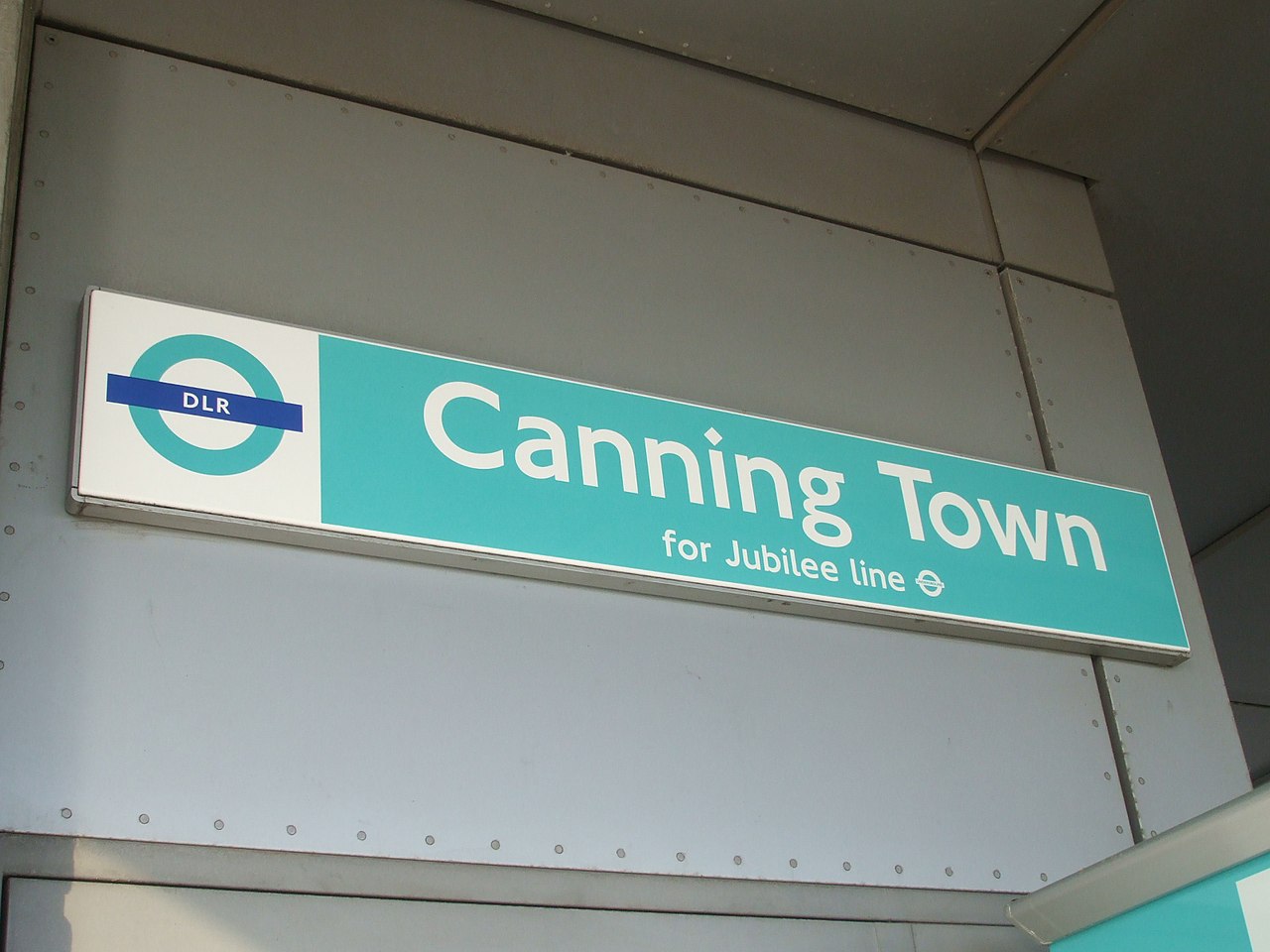
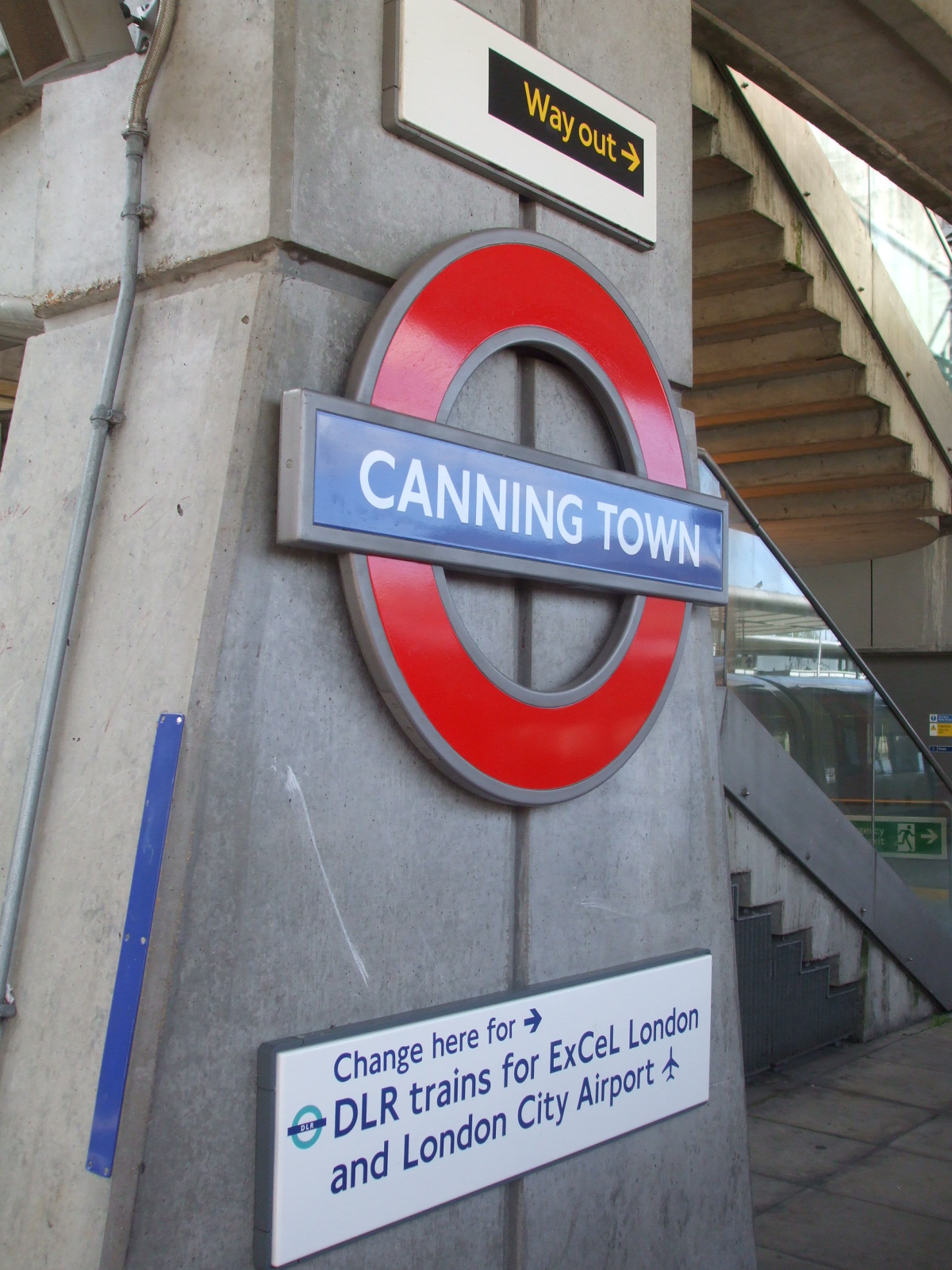
Canning Town station is a key multimodal transport interchange in East London. It provides rapid transit services on the London Underground's Jubilee Line and on the Docklands Light Railway (DLR), and functions as a major bus hub for routes run on behalf of London Buses. The station sits within Travelcard Zone 3, offering connections toward central London and outer east London destinations.
Image gallery
10 Images





Layout and facilities
The interchange is arranged to enable cross-platform or short-distance transfers between Underground and light-rail services. Modern ticket halls, lifts, tactile paving and step-free routes make the station accessible to passengers with reduced mobility. Facilities typically include ticket machines, real-time service information displays and sheltered waiting areas. Cycle parking and links to urban walking routes support mixed-mode journeys.
History and development
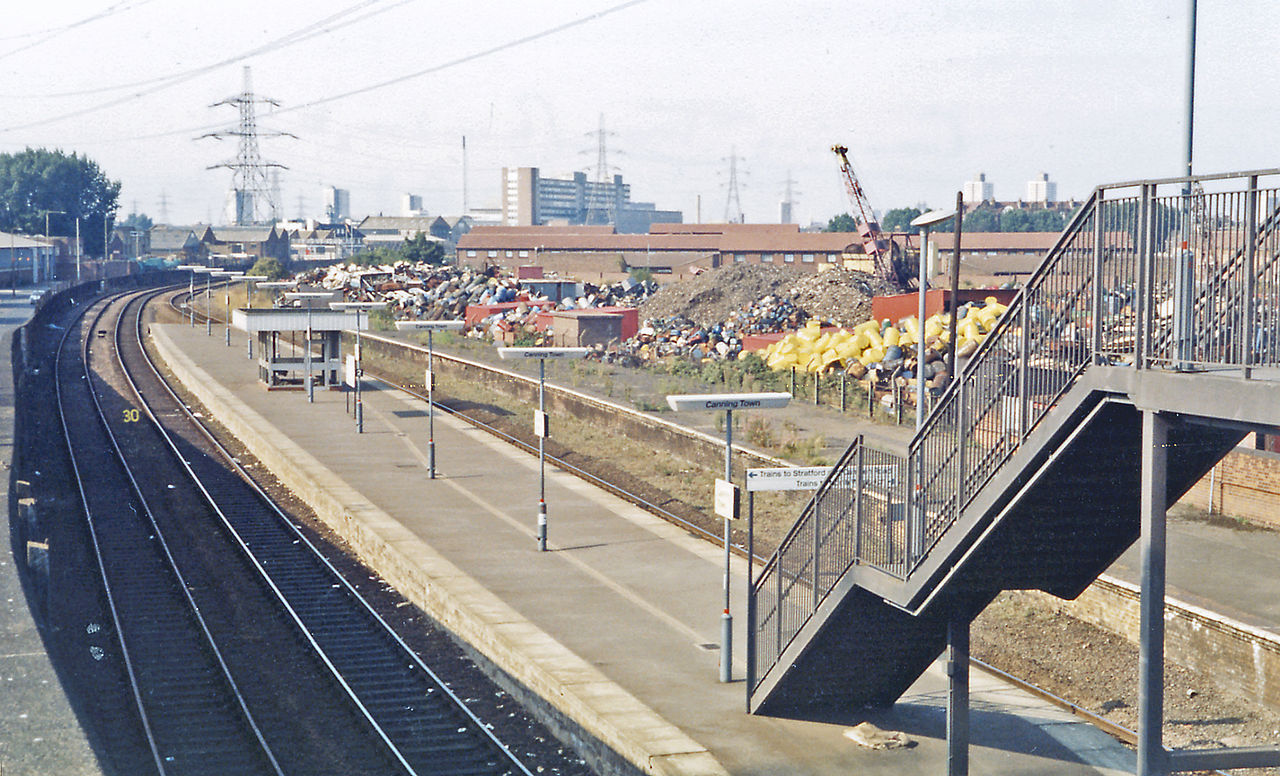
The present station occupies a site that has long been part of east London’s transport network and has evolved as rail and light-rail services expanded. Significant rebuilding and reconfiguration took place around the time the Jubilee line was extended and the DLR network intensified its role in serving the Docklands, producing the station’s current interchange form. These changes reflected wider regeneration in the area associated with dockland redevelopment.
Services and connections
The Jubilee Line offers fast links to central London and westwards, while the DLR serves several branches radiating through the Royal Docks toward commercial and residential centres such as Beckton, Stratford and other local destinations. Frequent local bus services provide radial and orbital connections across neighbouring districts, making the station an important node for last-mile travel.
Importance and context
Canning Town plays a strategic role in east London transport: it supports commuting patterns, access to shopping and employment areas, and helped during major events by carrying visitors to the Upper Lea Valley and the nearby Olympic developments. The interchange has been a focal point for transport-led regeneration and continues to be important for planned growth in the wider Thames Gateway.
Practical information
- Operators: Jubilee Line, DLR, and bus services under London Buses.
- Fare Zone: Zone 3.
- Location: East London, with step-free access and interchange facilities.
Related articles
Author
AlegsaOnline.com Canning Town station Leandro Alegsa
URL: https://en.alegsaonline.com/art/16581
Sources
- tfl.gov.uk : "Multi-year station entry-and-exit figures"